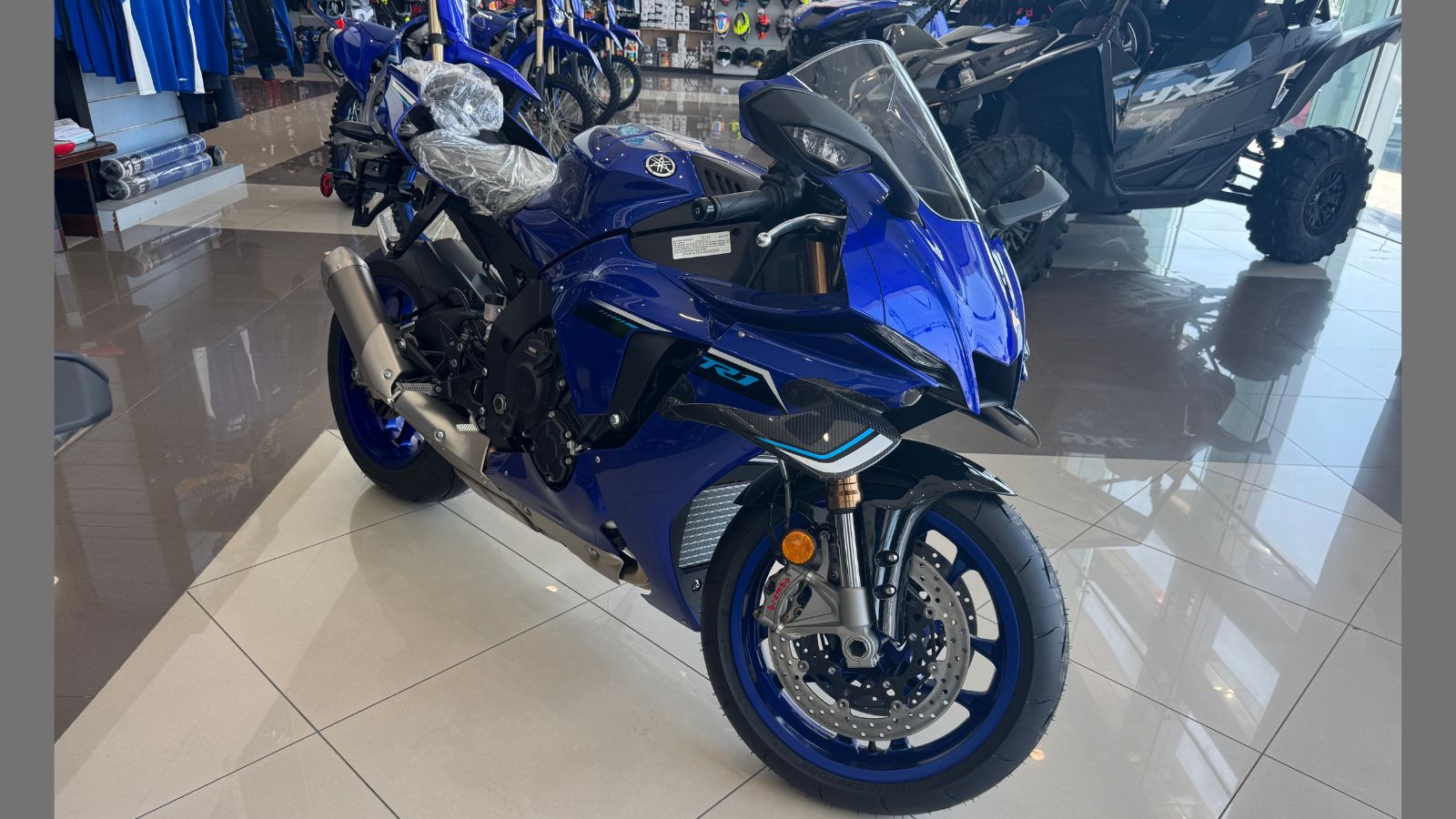
Since its debut in 1998, the Yamaha YZF R1 has been one of the most celebrated superbikes on the planet. With its high revving inline four cylinder engine, aggressive chassis, and cutting edge electronics, the R1 carved a loyal fan base among riders and racers alike. It has become synonymous with speed, precision, and the relentless pursuit of performance.
Over the decades, the R1 has continually evolved, adopting innovations from Yamaha’s racing programs, especially MotoGP. Yet through all its iterations, one thing has remained constant: its inline four engine. But that may be about to change.
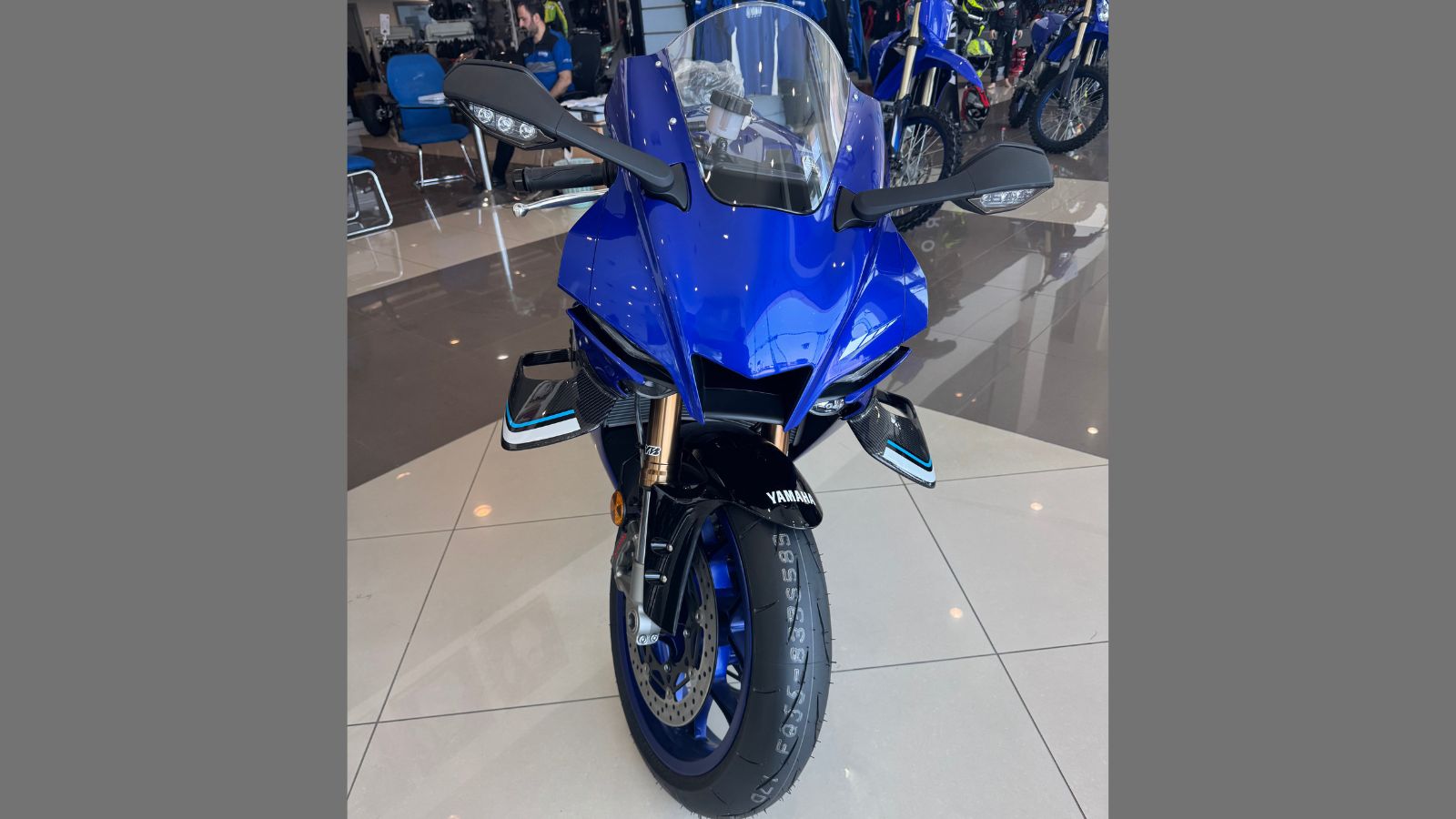
A Shift in Strategy: V4 on the Horizon
Rumors have swirled within the motorcycle industry that Yamaha is preparing a dramatic shift in engine configuration for the next generation R1. At the center of this speculation is the adoption of a V4 engine, a move that would bring Yamaha in line with the dominant architecture seen in Grand Prix and increasingly in road going superbikes.
The rationale? MotoGP.
MotoGP Influence
In Grand Prix racing, the V4 configuration has become the gold standard. Ducati, Honda, and Aprilia all utilize V4 engines in their premier class machines. The layout allows for a more compact engine with centralized mass and improved traction characteristics, especially out of corners. These advantages have translated to dominance on the track, with Ducati in particular leading the championship standings and race wins in recent seasons.
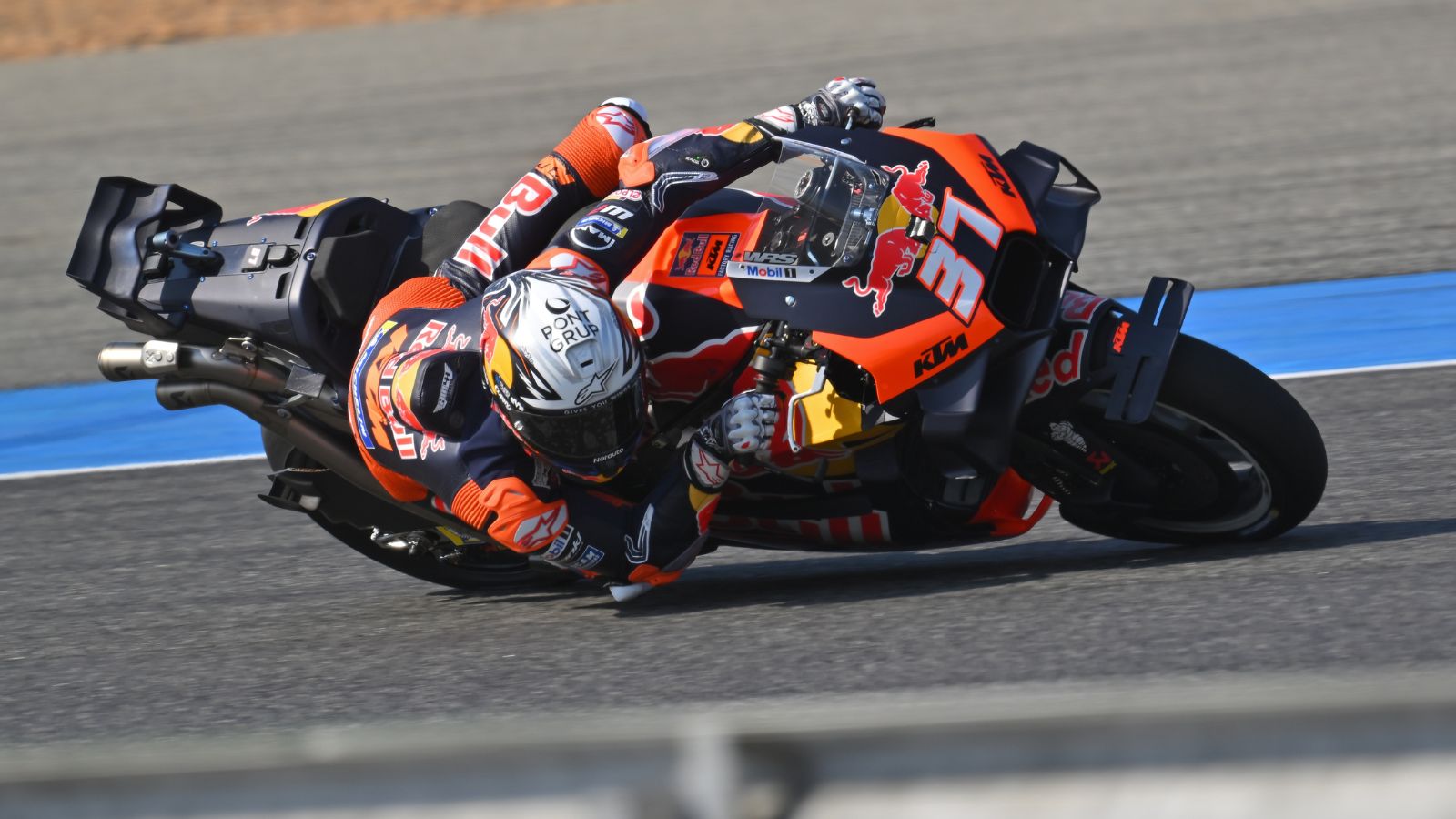
Yamaha’s MotoGP bike, the YZR M1, still runs an inline four engine. But with the growing trend and competitive pressure, even their racing department has begun exploring V4 alternatives. The logic is simple: if the V4 platform is delivering consistent results in MotoGP, then that engineering DNA should trickle down to the road.
The success of bikes like the Ducati Panigale V4 and Honda RC213V S as production machines that borrow heavily from their race counterparts has further pushed expectations. These machines are not only dominating on the racetrack but also rewriting what road legal superbikes can do.
Engineering the Transition
One of the key reasons a V4 engine is considered superior in performance applications lies in its inherent mechanical balance. A V4 engine has better primary and secondary balance characteristics than an inline four. This means it experiences fewer vibrations across the rev range, contributing to both reliability and rider comfort. The more balanced layout allows the engine to operate at higher revolutions with less mechanical stress.
Another advantage is crankshaft stiffness. A shorter crank in a V4 engine is less prone to torsional flex compared to a longer inline four crankshaft. This added stiffness enables engineers to safely push the engine to higher RPMs, which can translate into more power without sacrificing durability.
From a packaging perspective, the compact dimensions of a V4 engine make it easier to centralize mass and optimize chassis geometry. This allows for better weight distribution and can enable a tighter, more aerodynamic motorcycle design. In turn, this contributes to quicker direction changes and improved handling, especially in a racing environment.
The firing order is another area where the V4 architecture shines. Many modern V4 engines employ a “big bang” or irregular firing order that mimics the torque characteristics of a twin cylinder engine. This provides smoother power delivery and enhances rear wheel traction, particularly on corner exits. It is this very characteristic that Yamaha has attempted to emulate in its current inline four R1 by using a crossplane crankshaft. The crossplane configuration has given the R1 a unique sound and improved throttle feel, but a V4 can deliver this trait with even greater efficiency and natural mechanical behavior.
Switching from an inline four to a V4 is no small task. It involves a complete redesign of the engine layout, cooling systems, packaging, and chassis balance. The compact nature of a V4 allows for better weight distribution and increased aerodynamics. However, it can be more expensive to manufacture and more complex to service.
For Yamaha, the transition would mark a monumental shift. But if executed with the same precision and passion that made the original R1 so revolutionary, the result could be a machine that defines the next era of superbikes.
What This Means for Riders
For purists, the thought of losing the high pitched scream of Yamaha’s crossplane inline four may sting. The sound, feel, and character of the R1 is deeply tied to its engine layout. However, a V4 Yamaha could bring a new level of performance and excitement. The potential for higher corner speeds, better power delivery, and a sharper chassis response would appeal to track day addicts and professional racers alike.
Moreover, with emissions regulations tightening, a V4 may also offer better efficiency and meet future compliance standards more easily than a high revving inline engine.
Riders can also expect advancements in electronics and chassis systems tailored to the new engine layout. With better weight distribution and enhanced engine mapping options, a V4 R1 could become even more agile and adaptable to different riding styles and track conditions.
Additionally, this shift could open the door for a new generation of enthusiasts who have grown up watching MotoGP and now want a road bike that captures that essence. The V4 layout brings Yamaha closer than ever to bridging the gap between factory racing technology and consumer machines.
A New Chapter
While Yamaha has not officially confirmed a V4 powered R1, the industry consensus is growing that such a model is inevitable. It would not only future proof their flagship superbike but also give Yamaha a competitive edge both on the track and showroom floor.
As we look to the horizon, the Yamaha R1 V4 could represent a fusion of MotoGP pedigree and road going excitement. And though it may mark the end of an era, it could very well usher in a new golden age for Yamaha performance bikes.