
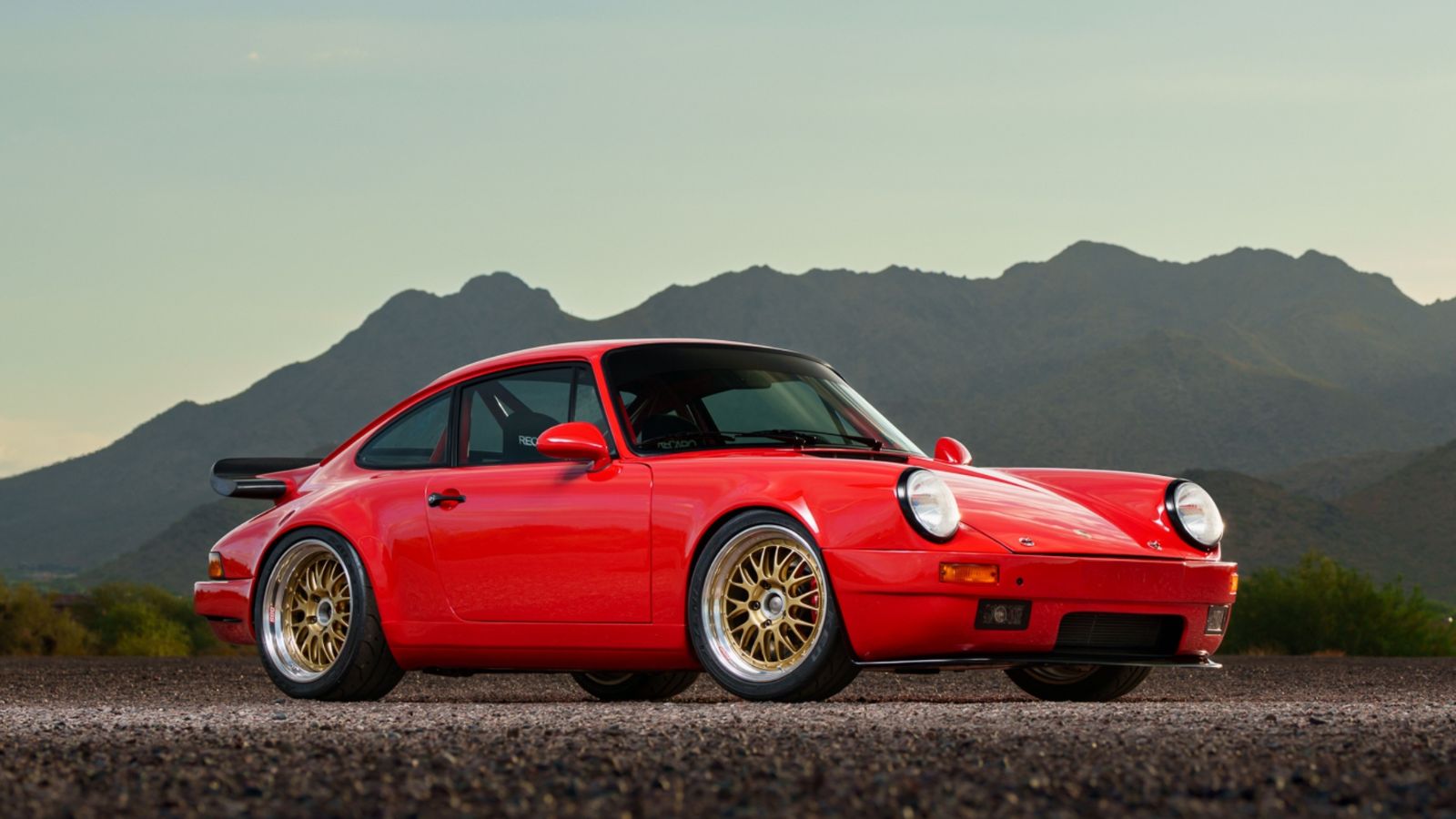
In a world dominated by rapidly evolving technology and electrification, the charm of classic cars has never felt more relevant. In 2025, classic cars represent more than nostalgic transportation. They are rolling pieces of history, analog expressions of craftsmanship, and increasingly, a smart place to put your money. While stocks and crypto remain volatile and interest rates shift unpredictably, many collectors are finding that classic metal holds value in ways traditional assets do not. For those with a discerning eye and a bit of patience, classic cars offer the rare combination of utility, pride of ownership, and real financial potential.
1. Finite Supply, Growing Demand
Unlike mass produced modern vehicles, true classics are disappearing. As time goes on, the number of original, unrestored or properly restored classic cars dwindles. Each year, rust, accidents, and neglect reduce the pool. Yet, interest is growing, especially among younger collectors and enthusiasts looking to own a piece of the past. This imbalance between supply and demand drives appreciation, especially for well maintained examples of iconic models. Rarity and condition become more critical with every passing year.
2. Tangible, Enjoyable Asset
A classic car is more than an investment, it is something you can see, touch, and drive. It creates emotional value in addition to monetary return. Many investors are tired of intangible stocks or digital currencies. A vintage Mustang, E Type, or 911 offers pride of ownership, weekend enjoyment, and a deep connection to automotive heritage. You are not just parking your money, you are driving it. Few investments offer such a blend of lifestyle and financial upside. And when you maintain it properly, the car becomes a living, appreciating legacy.
3. Performance Trends in the Market
Classic cars have outperformed many traditional investments over the last two decades. Auction houses like RM Sotheby’s and online platforms like Bring a Trailer show steady upward price trends for specific makes and models. Limited production muscle cars, European sports cars, and even some 1980s and 1990s modern classics are seeing double digit year over year growth. Cars like the Toyota Supra MK4, Ferrari Testarossa, and first generation Ford Bronco have jumped significantly in value, particularly examples in excellent condition with service records.
4. Global Market Appeal
Classic cars are traded and sought after globally. Whether in the US, Europe, the Middle East, or Asia, enthusiasts are willing to pay premiums for quality. This international demand insulates values, particularly for blue chip models like air cooled Porsches, vintage Ferraris, and American muscle icons. Currency diversification and broader demand make classics a compelling hedge. As emerging markets develop stronger middle classes, appetite for prestige assets like classic cars grows. Well kept vehicles with documentation and authenticity hold the highest appeal.
5. Electrification Driving Enthusiasm for Analog
As governments push toward electric vehicles, many drivers are yearning for the raw, mechanical feel of classics. The contrast between sterile EVs and the sound, vibration, and simplicity of older cars is striking. For many, owning a classic is a rebellion against the increasingly digital driving experience. This cultural shift boosts interest and valuation. A carbureted engine, manual gearbox, and analog gauges now feel exotic, making classic cars more engaging and more desirable than ever.
6. Tax Benefits and Collector Insurance
In some regions, classic cars enjoy tax exemptions or lower registration costs. Collector insurance also makes ownership more affordable than many expect. These specialized policies account for agreed value, limited use, and storage, often resulting in lower premiums than traditional coverage. Storage, maintenance, and parts sourcing have improved significantly in recent years, making ownership more practical. Combined with potential appreciation, the net cost of ownership can be surprisingly low when managed responsibly.
7. Maintenance Matters
A classic car’s investment potential is closely tied to its condition. Neglected vehicles rarely appreciate. Regular maintenance, proper storage, and expert service are crucial to protecting value. Cars that run well, show clean service history, and retain their originality consistently command the highest prices. That includes keeping paint, interior, and mechanical components in top shape. A documented, well cared for car can fetch up to twice the price of a neglected one. Investing in preservation is not optional, it is part of the value.
8. Passion Driven Investment
Unlike art or wine, classic cars are meant to be used. They represent passion and lifestyle as much as they do financial strategy. This dual purpose appeal means even modestly appreciating cars can be immensely satisfying to own. You do not have to wait years to enjoy the benefit, every drive, every show, and every turn of the key delivers its own reward. For many, that emotional return makes the financial return even more satisfying.
Choose Wisely
In 2025, classic cars are more than beautiful machines. They are cultural artifacts, emotional touchstones, and increasingly resilient investments. With the automotive landscape changing rapidly, these icons of design and engineering represent a stable and rewarding place to invest for those who appreciate history, horsepower, and hands on engagement. But success as a classic car investor requires discipline. Maintenance, preservation, and documentation are not just responsibilities, they are strategies. When chosen wisely and cared for diligently, a classic car can provide returns both financial and unforgettable, a machine that pays you back in value, memories, and pride.