
If you’ve ever watched a MotoGP race, you might think the bike rocketing down the straight at 200 mph looks like something you could buy from your local dealership. But while today’s superbikes are marvels of engineering, they’re worlds apart from the purpose built prototypes ridden by MotoGP racers. Let’s dive into why these machines are so different and what makes each one exceptional in its own way.
Engine Performance: Beyond the Limits
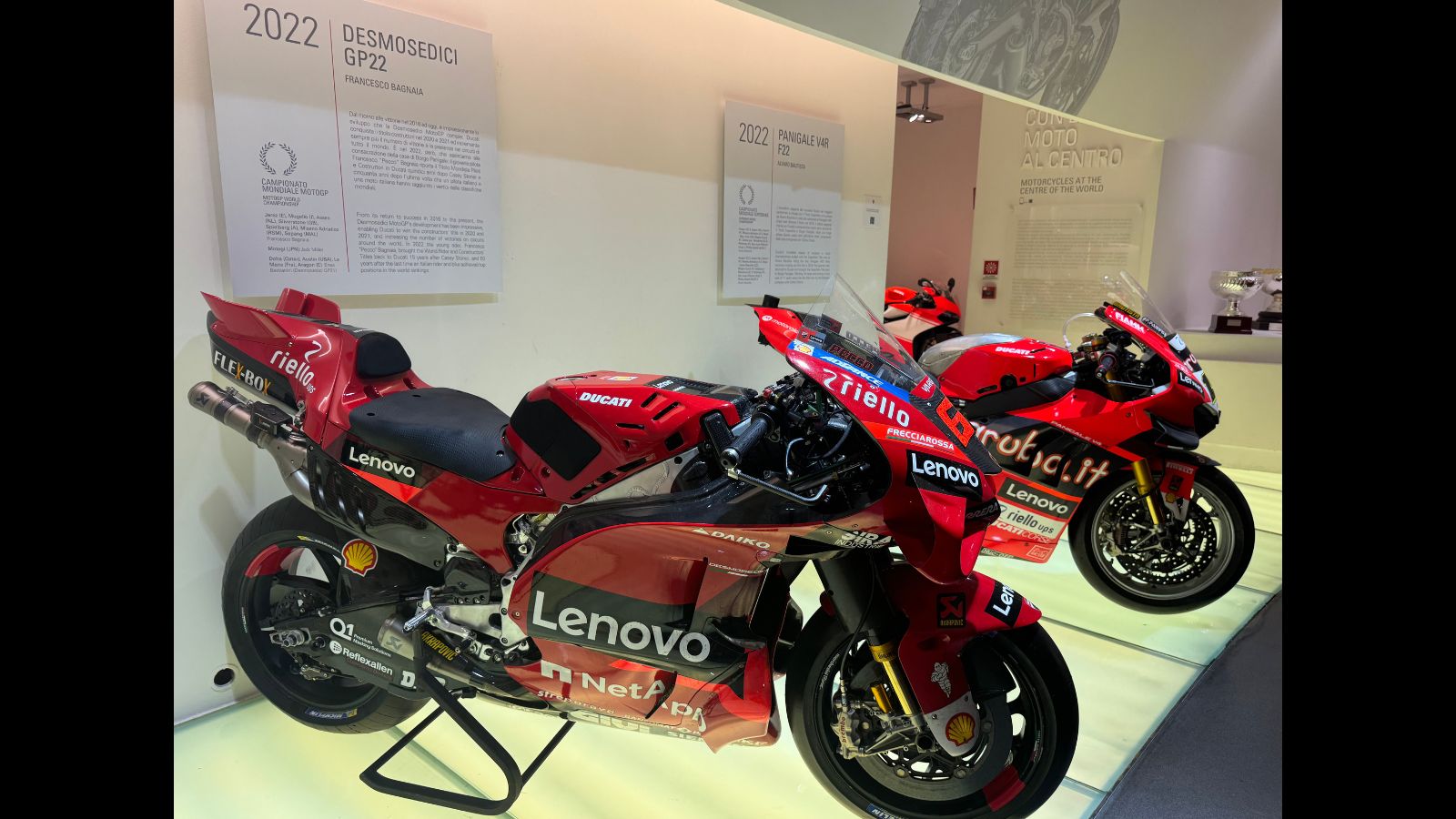
A MotoGP bike’s engine is designed without compromise. These 1000cc machines produce over 250 horsepower (some suggest near to or over 300 bhp), revving to astronomical levels to extract every ounce of performance. They use exotic materials like titanium and magnesium to reduce weight and improve strength, enabling the engine to endure incredible stresses.
Meanwhile, a dealership superbike like the Yamaha R1 or Honda CBR1000RR offers immense power, often exceeding 200 horsepower in street legal trim. However, these engines are tuned for reliability, longevity, and emissions compliance. They’re fast—staggeringly so—but they can’t replicate the raw, razor edge performance of a MotoGP prototype.
Chassis and Handling: Tailored to the Track
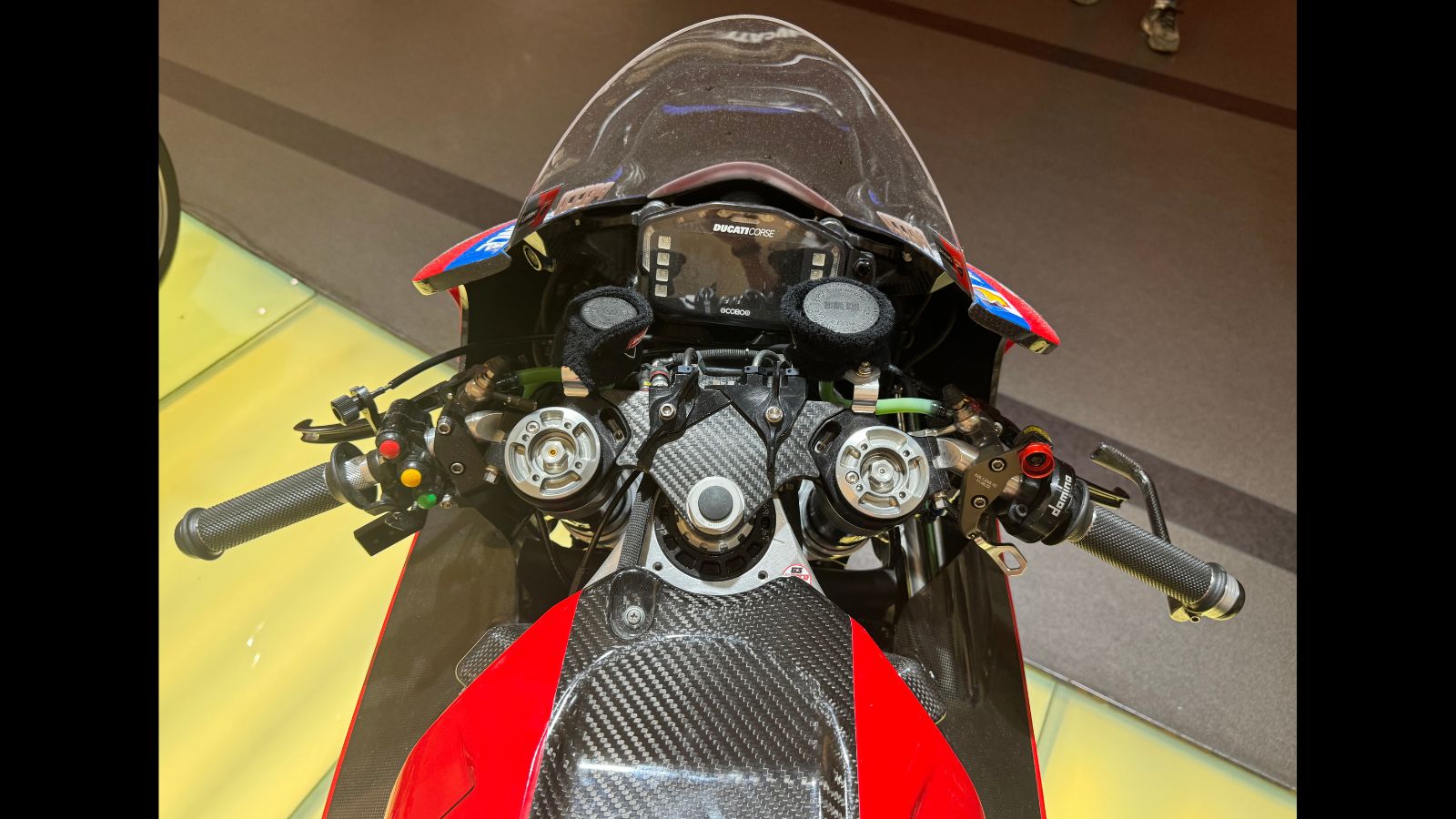
MotoGP bikes are built around a bespoke chassis designed for unparalleled cornering agility. They feature adjustable everything—frame flex, suspension geometry, and even swingarm stiffness—to suit the rider’s style and track conditions. The goal is to find the perfect balance between stability and responsiveness.
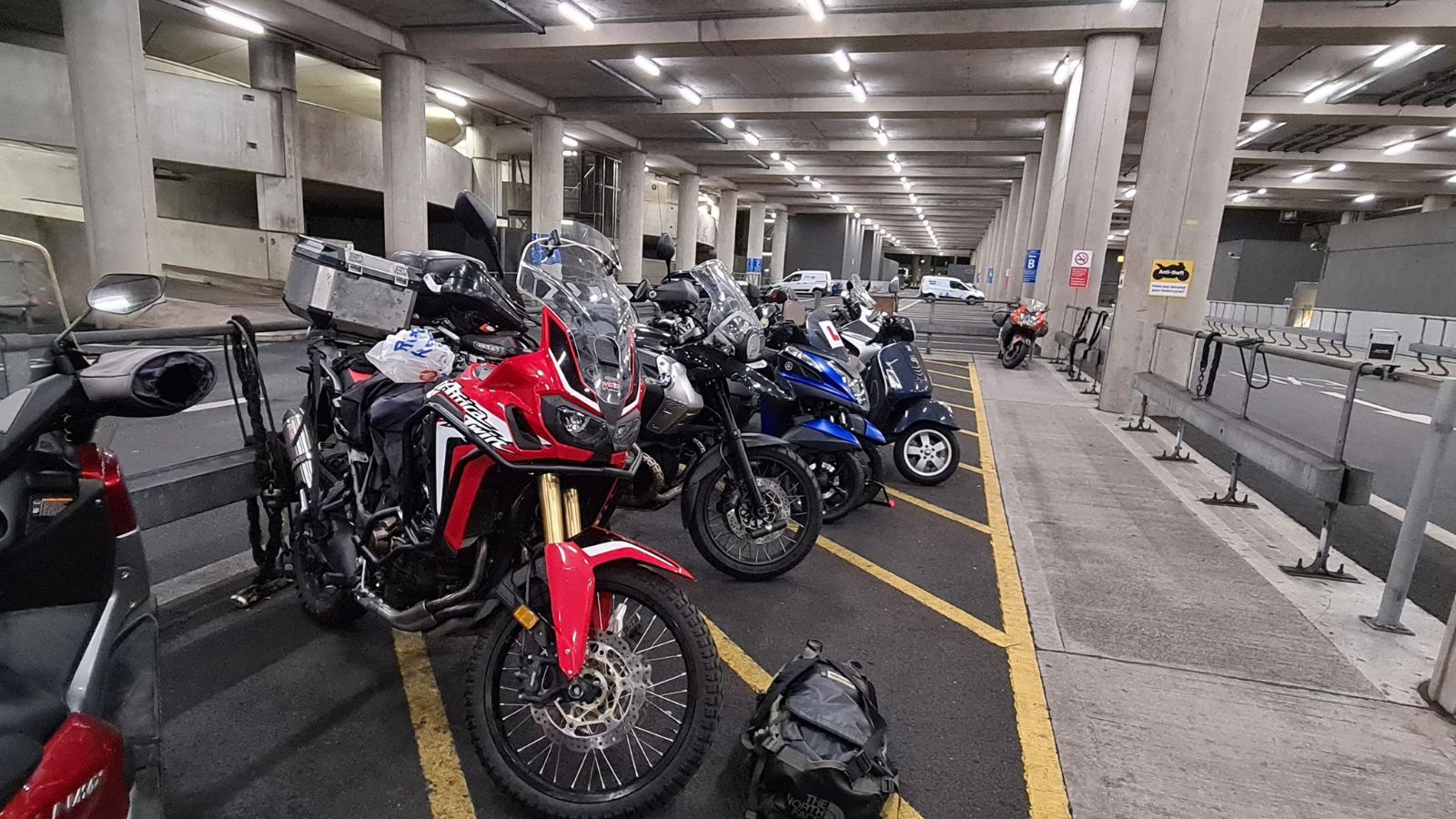
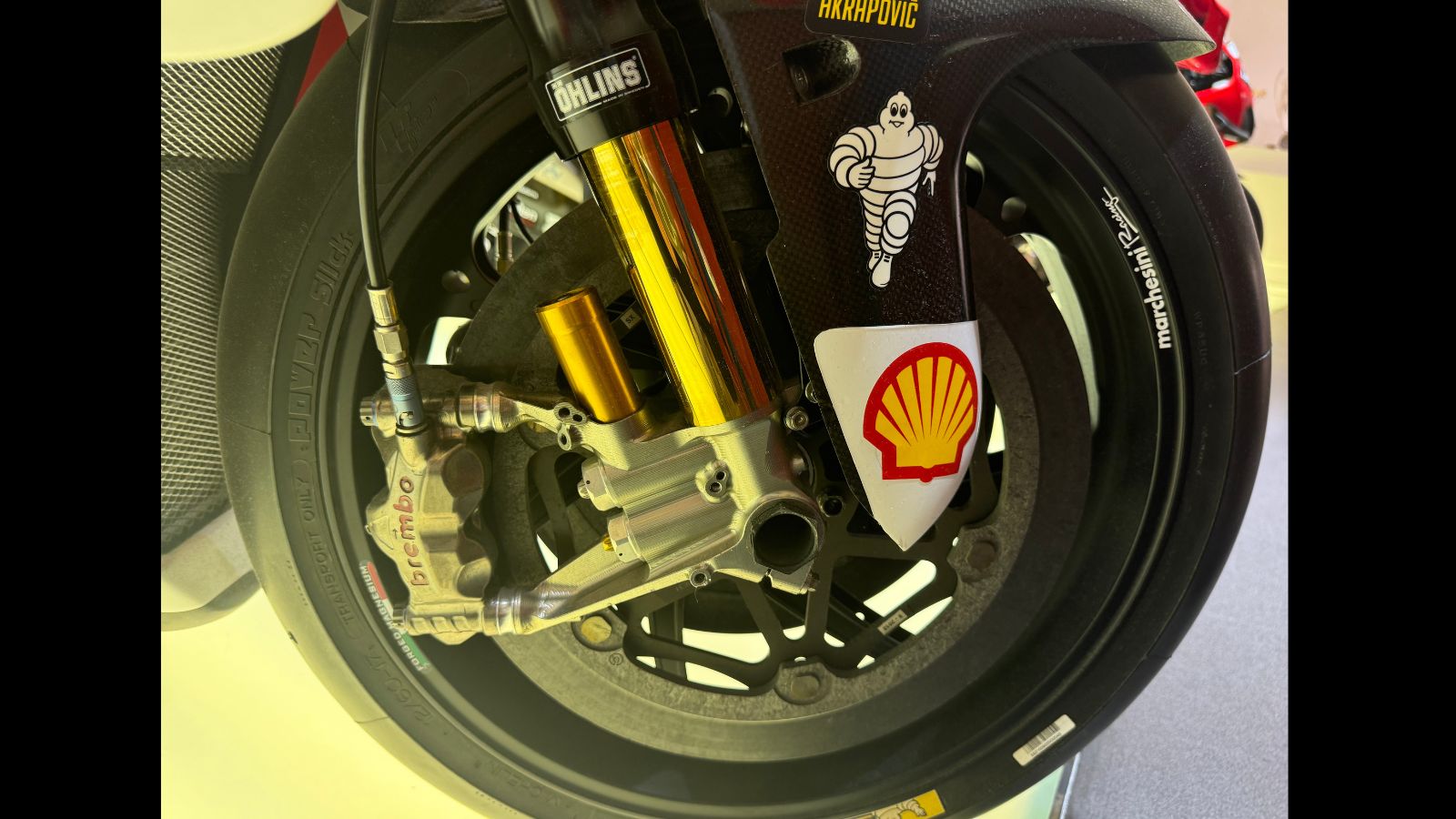
Dealership superbikes, while equipped with advanced suspension systems like Ohlins or Showa, can’t match the customizability of a MotoGP prototype. Their chassis is designed to handle a variety of conditions—from the daily commute, carrying a pillion, canyon carving to track days—making them versatile but not as specialized. Also not to mention operating in all weather conditions and temperature ranges from Texas desert heat to a London winter cold.
Aerodynamics: Science in Motion
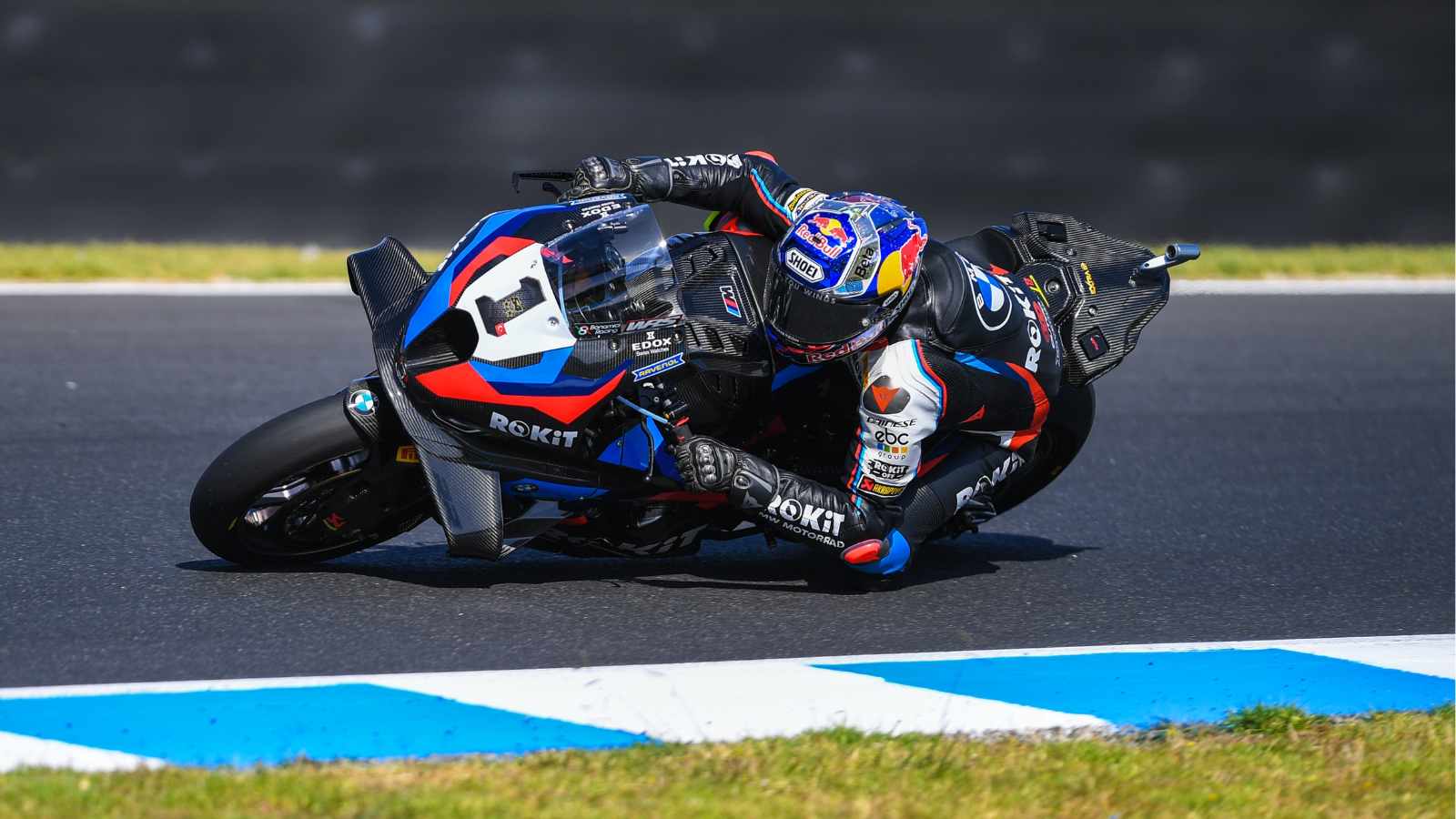
Take a close look at a MotoGP bike, and you’ll notice intricate winglets and fairings. These aren’t just for show. MotoGP engineers spend countless hours in wind tunnels to optimize downforce and reduce drag. These aerodynamic elements help keep the bike stable under braking and planted through high speed corners.
While modern superbikes like the Ducati Panigale V4 and Kawasaki Ninja H2 have adopted some aerodynamic features, they’re primarily designed for aesthetics and street usability. The wind tunnel science of a MotoGP bike remains in a league of its own.
Electronics: Race-Bred Precision
MotoGP bikes feature cutting edge electronics, including traction control, launch control, and wheelie control, all fine tuned for maximum performance on the track. These systems are adjustable to the smallest detail, giving riders incredible control over the bike’s behavior.
Superbikes, too, have advanced electronics, but they’re built with street riders in mind. Systems like ABS and traction control are designed for safety and usability rather than outright performance. While impressive, they’re not as precise or adaptable as those on a MotoGP machine.
Weight: Every Gram Counts
MotoGP bikes are engineered to be as light as possible. They use carbon fiber, titanium, and other exotic materials to achieve a weight of around 350 pounds. This extreme weight saving effort enhances acceleration, braking, and handling.
Street legal superbikes, constrained by safety and durability standards, typically weigh closer to 430 pounds. They’re still lightweight compared to most vehicles, but they can’t match the featherweight precision of a MotoGP prototype.
The Cost Factor
A MotoGP bike costs millions to develop and build. Every component is handcrafted or custom made to achieve peak performance. In contrast, dealership superbikes benefit from mass production, making them far more affordable while still delivering jaw dropping performance.
The Personal Connection
Owning a superbike from a dealership brings its own joys. Machines like the Suzuki GSX-R1000 and BMW S1000RR offer accessible power and cutting edge technology. They’re designed to thrill on public roads and racetracks alike, making them the ultimate tool for riding enthusiasts.
MotoGP bikes, on the other hand, are purebred racers. They’re not built for convenience or comfort—just speed and precision. Riding one requires a professionallevel skill set and access to a closed circuit, making them out of reach for most riders.
Why Both Are Special
MotoGP bikes and dealership superbikes each have their own place in the motorcycling world. MotoGP prototypes showcase the pinnacle of engineering, pushing the boundaries of what’s possible on two wheels. Dealership superbikes bring that technology closer to everyday riders, offering an incredible blend of performance, reliability, and accessibility.
So, while a MotoGP bike may be a dream machine, the superbike in your garage is a masterpiece in its own right. Both serve as a testament to the passion and innovation that make motorcycling such an exhilarating pursuit.