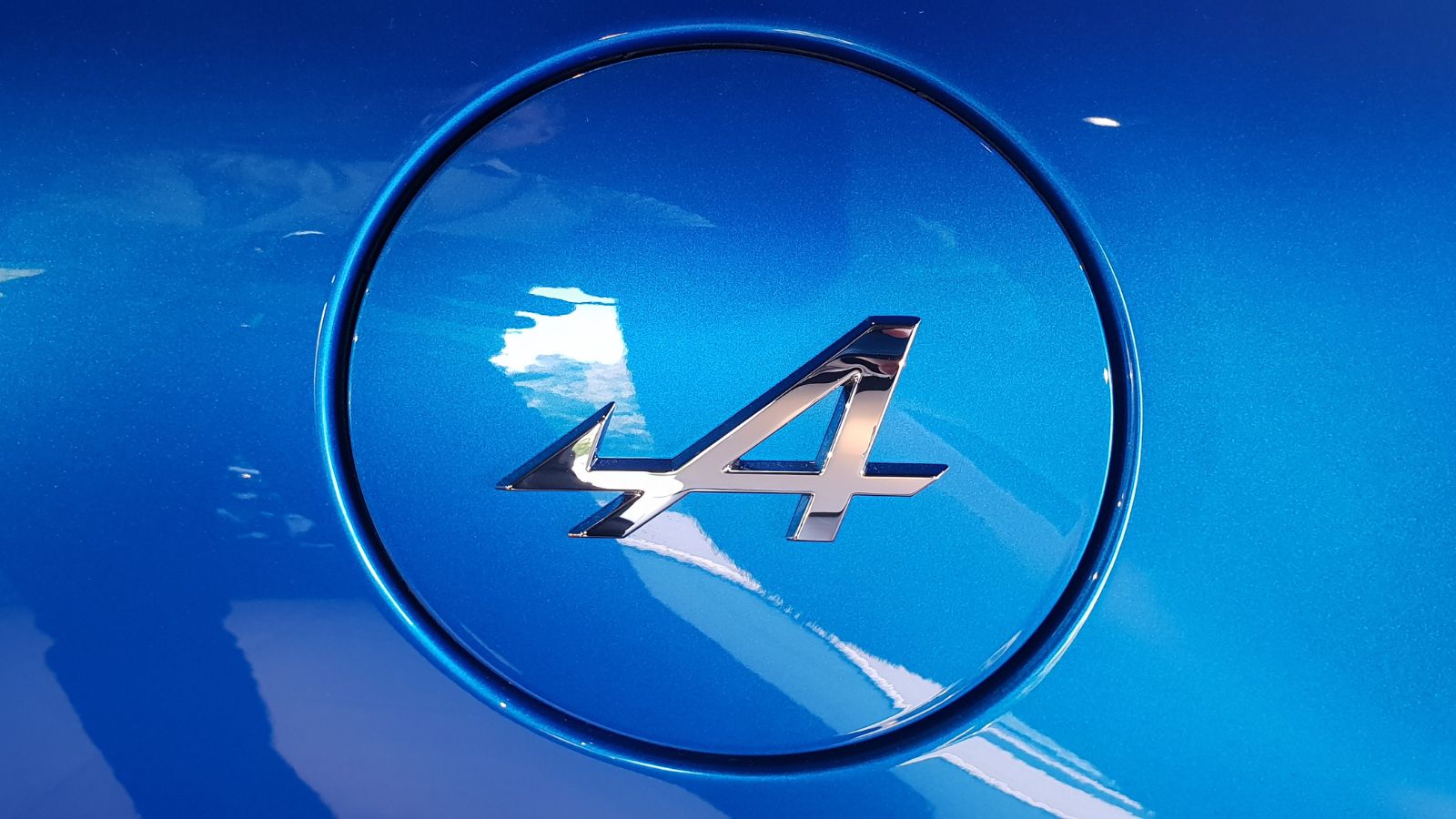
In 2018, I came closer than ever to buying one of the most talked about modern sports cars of the last decade, the reborn Alpine A110. I even traveled to Brussels to buy one of the first released cars. A car praised for its featherweight handling, minimalist design, and driver-first focus. The A110 was everything enthusiasts claimed we were losing in the age of bloated, overpowered sports cars. It looked like the real deal. And in many ways, it was.
But I didn’t buy it. And here is why.
The Allure of Lightweight Engineering
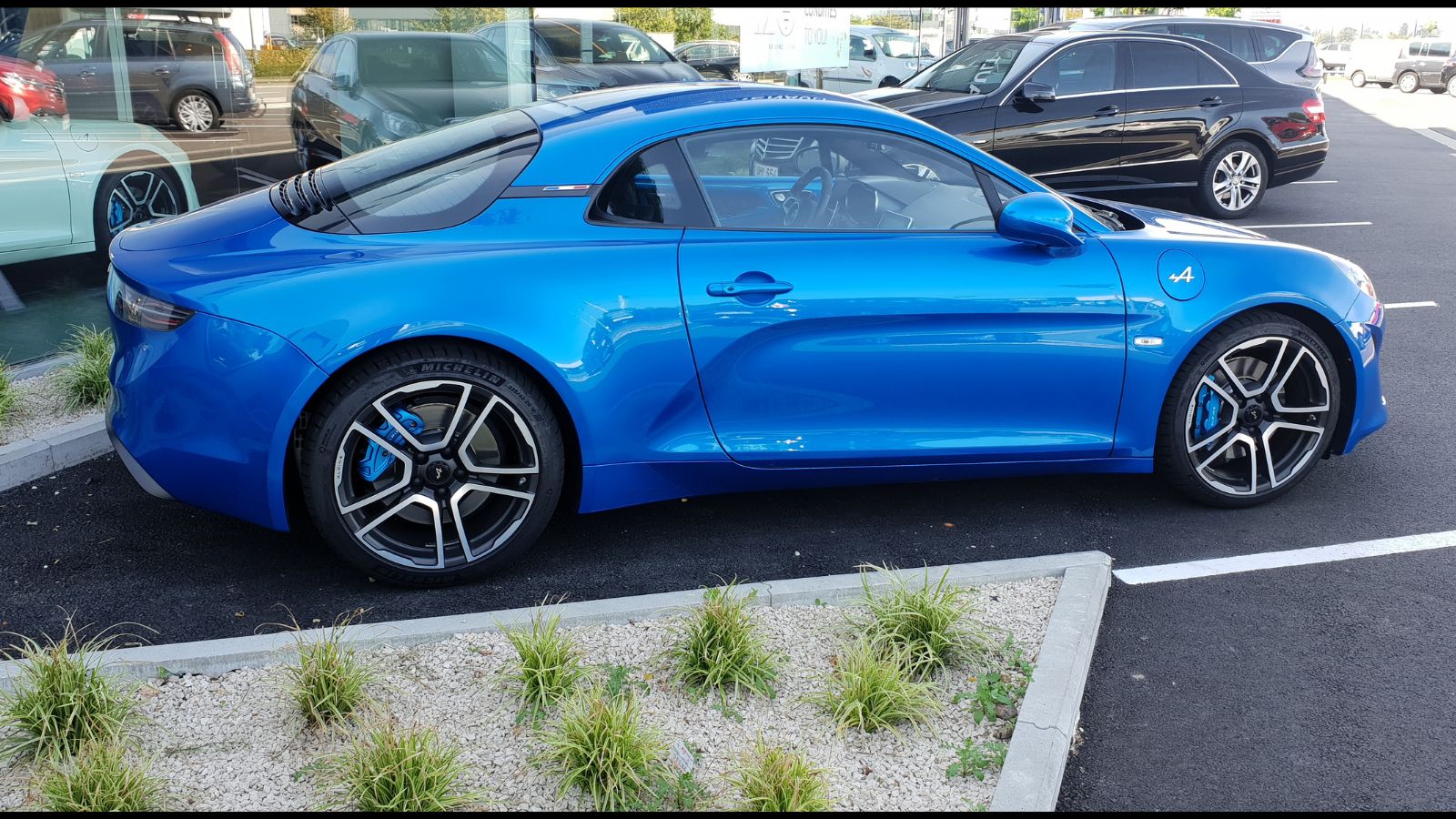
On paper, the Alpine A110 ticked every box. It had a curb weight under 2,500 pounds, a mid-engine layout, and rear-wheel drive. Power came from a 1.8-liter turbocharged inline-four, borrowed from Renault, delivering 248 horsepower and 236 lb-ft of torque in the standard version. With a seven-speed dual-clutch transmission and a sophisticated double-wishbone suspension at both ends, it was clearly engineered with driving dynamics in mind.
Driving the A110 is a reminder that power is not everything. It darts into corners, stays perfectly neutral, and feels agile in a way that many sports cars simply cannot match. The ride quality is shockingly good, the steering light yet precise, and the balance exceptional. In terms of delivering the classic sports car formula with a modern twist, Alpine absolutely nailed it.
Design That Charms Without Shouting
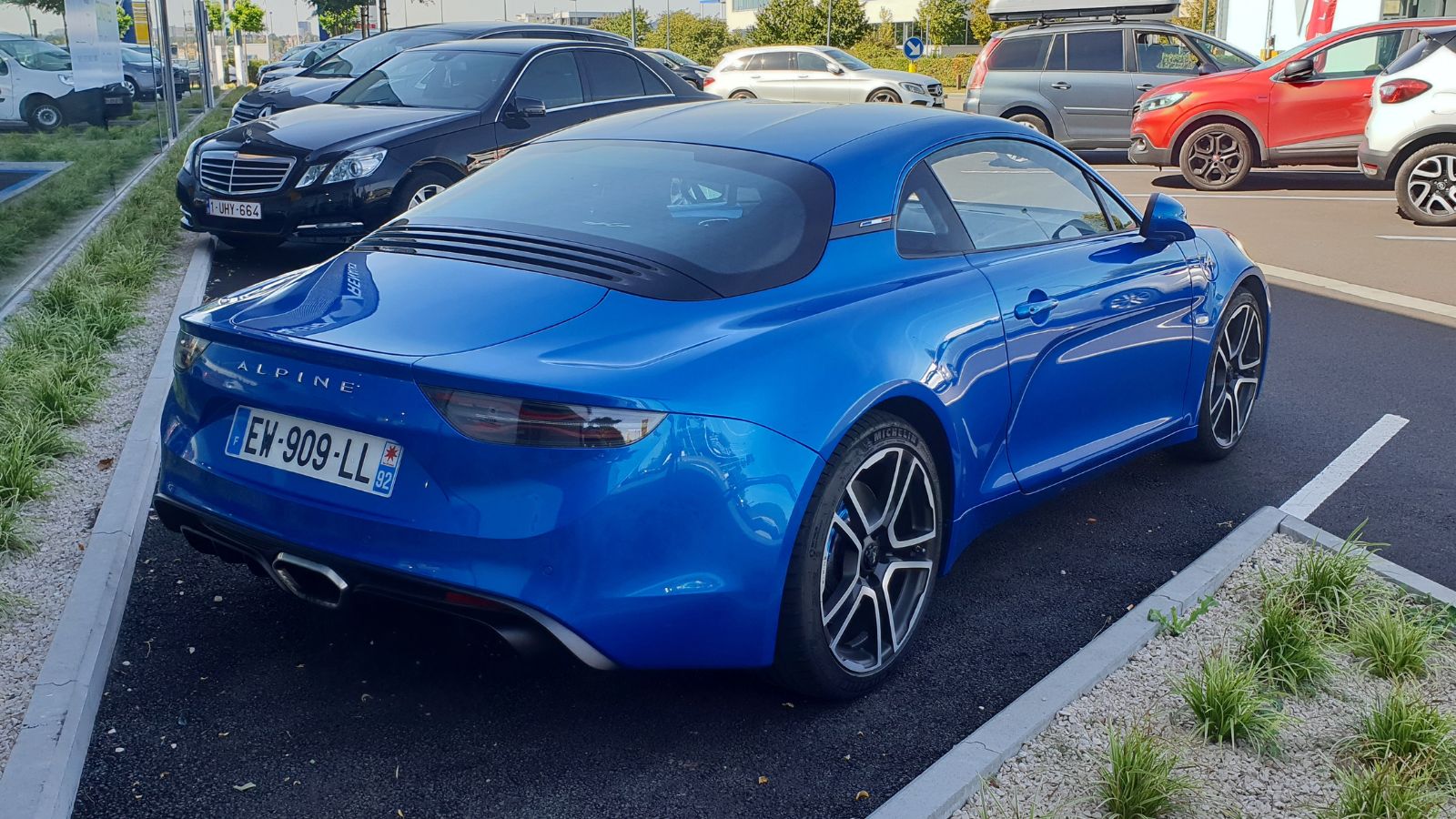
The design pays perfect homage to the original A110 rally legend. Compact, rounded, and unapologetically French. It stood out in all the right ways, without needing to scream for attention. The interior was clean and functional, with quilted leather, exposed metal, and supportive seats. It felt bespoke, different, and focused. A true alternative to the usual suspects from Germany or Japan.
As an ex-Alpine A610 3.0 owner, I was particularly interested in how the new A110 might carry forward the spirit of that car. Unfortunately, apart from the visual nod to the original A110 silhouette, the new car shares very little DNA with its predecessors. The connection felt superficial. There was no real mechanical or philosophical legacy tying the new A110 to the old Alpine road cars.
The Missing Ingredient: Emotional Engagement
And yet, after all the excitement, the test drive left me oddly underwhelmed. Not because the car was flawed. Quite the opposite. It was beautifully resolved. But something was missing.
The engine, while quick and responsive, lacked a certain character. It sounded muted and didn’t deliver that visceral connection I was hoping for. There was no drama as the revs climbed, no sense of urgency that makes your pulse quicken. The paddle-shift transmission was fast, but clinical. I missed the feeling of rowing through gears myself, of working with the machine.
Despite its brilliance in corners, the A110 never quite felt alive in the way some less refined cars do. It was composed and capable, but never truly thrilling. For a car with so many dynamic strengths, it felt strangely distant when I really wanted it to speak to me.
A Price That Demands Passion
This is where the Alpine fell short for me. At the price point it occupies, a car needs to move you, not just impress you. I wanted to feel something more, something irrational. The Alpine A110 made perfect sense to my brain, but my heart remained unconvinced.
It is a car for someone who values balance, subtlety, and precision above all else. But if you are chasing drama, noise, and engagement, it may not be enough. That is not a fault of the A110. It is simply the nature of what it set out to be.
Alpine Aspiration: Almost
The Alpine A110 is one of the most intelligently engineered cars of the modern era. It has soul, lightness, and genuine driver appeal in its own restrained way. I admire what Alpine built. And I am glad cars like this still exist.
But for me, it lacked that one crucial spark. I walked away not because the car failed, but because it did not speak my language. For the right driver, the Alpine A110 is everything they have ever wanted. For me, it was almost perfect.
Almost.