
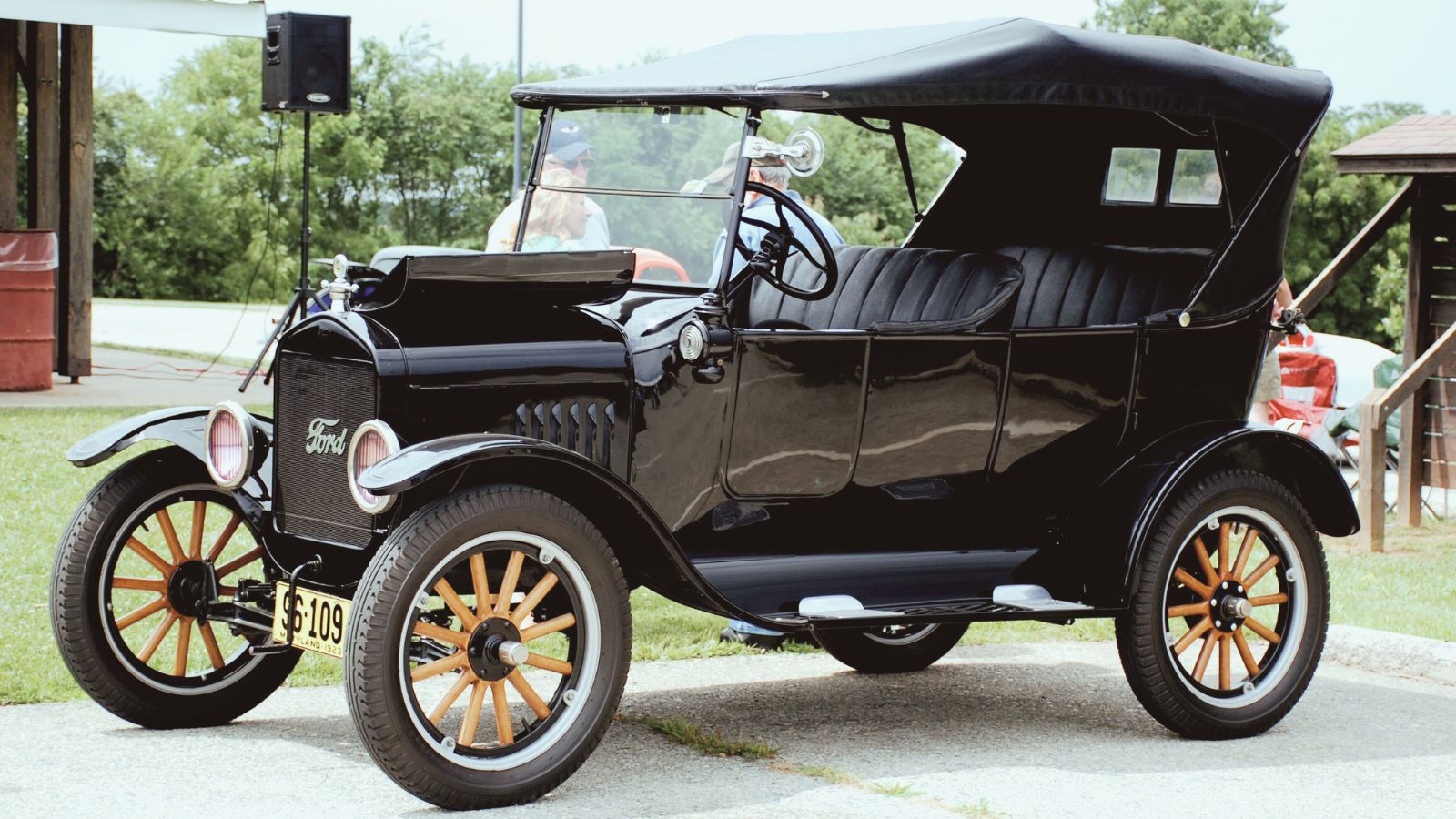
The Model T Ford, introduced by Henry Ford in 1908, is arguably the most influential car in automotive history. More than just a vehicle, it represented a seismic shift in how people lived, worked, and traveled. Prior to the Model T, car ownership was limited to the wealthy. Ford’s vision was different. He aimed to put America on wheels, and he succeeded in doing just that.
The Birth of Mass Mobility
Built to be simple, robust, and affordable, the Model T was the first car produced on a moving assembly line, which dramatically reduced production costs. By standardizing parts and processes, Ford was able to lower the price of the Model T year after year, eventually making it attainable for the average American worker. It was a car built for the people, and its social impact cannot be overstated.
By the early 1920s, more than half of the cars in the world were Model Ts. The car offered a new sense of freedom, allowing families to travel further and more independently than ever before. It reshaped cities, enabled the rise of suburbs, and spurred the development of a road network across America.
The Model T also played a crucial role in reshaping the workforce. It created jobs not just in the automotive industry, but in steel, rubber, oil, and infrastructure. It allowed farmers and rural communities to connect with nearby towns, access markets, and improve their quality of life. It gave birth to road trips, family outings, and an entirely new culture around mobility and adventure.
In schools and universities, the Model T was often the first vehicle used to teach students about internal combustion, mechanics, and assembly line production. It brought about a wave of interest in engineering and mechanics among the public and catalyzed the development of vocational training programs.
Ten Innovations and Features of the Model T
- Moving Assembly Line: Ford’s revolutionary manufacturing process allowed for unprecedented production speed and cost reduction, making car ownership realistic for millions.
- Interchangeable Parts: The Model T was built with standardized, interchangeable components, simplifying repairs and maintenance. This approach paved the way for modern automotive repair and servicing.
- High Ground Clearance: Designed to handle the rough and uneven roads of the early 20th century, the Model T could go places many other vehicles could not. It was especially beneficial for rural America.
- Lightweight Chassis: The use of vanadium steel made the chassis both strong and lightweight, improving performance and durability. This material was a rare innovation in consumer vehicles at the time.
- Flexible Fuel Use: Early versions of the Model T could run on gasoline, ethanol, or kerosene, giving rural drivers flexibility based on availability. This was particularly useful in remote areas with limited fuel access.
- Planetary Gear Transmission: Its simple two speed transmission system was easy to learn and operate, even for first time drivers. This democratized driving at a time when complex gearboxes were the norm.
- Affordable Pricing: At its peak, the Model T cost less than 300 dollars, putting it within reach of middle class families. This affordability was key to its widespread adoption.
- Durability: Built to last, the Model T earned a reputation for reliability and toughness, essential qualities for the rugged terrain of the time. It could withstand years of daily use with minimal repairs.
- Mass Appeal: The car was available in various body styles, including coupe, sedan, and pickup, meeting diverse needs. Whether you were a farmer, teacher, or small business owner, there was a Model T for you.
- Color Standardization: Famously, Ford once declared that customers could have their Model T in any color “as long as it’s black,” simplifying production and drying times. Black paint dried the fastest, increasing efficiency on the assembly line.
A Vehicle That Changed the World
The Model T did not just revolutionize how cars were built. It changed the fabric of society. It democratized travel and made personal mobility a reality for millions. It played a central role in shaping modern industrial economies and urban landscapes.
Its impact went far beyond the roads. It helped establish the middle class, supported the creation of national infrastructure, and influenced everything from weekend leisure to how cities were planned. The freedom it offered was unprecedented and transformative.
Today, restored Model Ts are cherished by collectors and historians alike. They represent a pivotal moment in automotive history—a moment when technology truly became accessible to all. Enthusiasts around the world celebrate its simplicity, innovation, and the profound legacy it left behind.
The Model T is not just a historical artifact. It is a monument to innovation, perseverance, and the power of accessible technology to transform lives.