When most people think of Lamborghini, they picture roaring V12 engines and wild designs. But during the 1970s and 1980s, Lamborghini explored a different path with the development of a V8 engine placed transversely in its sports cars. This engine configuration helped define a unique era in the company’s history, blending performance with practicality in a way that few Lamborghinis before or since have attempted.
The Birth of the Transverse V8
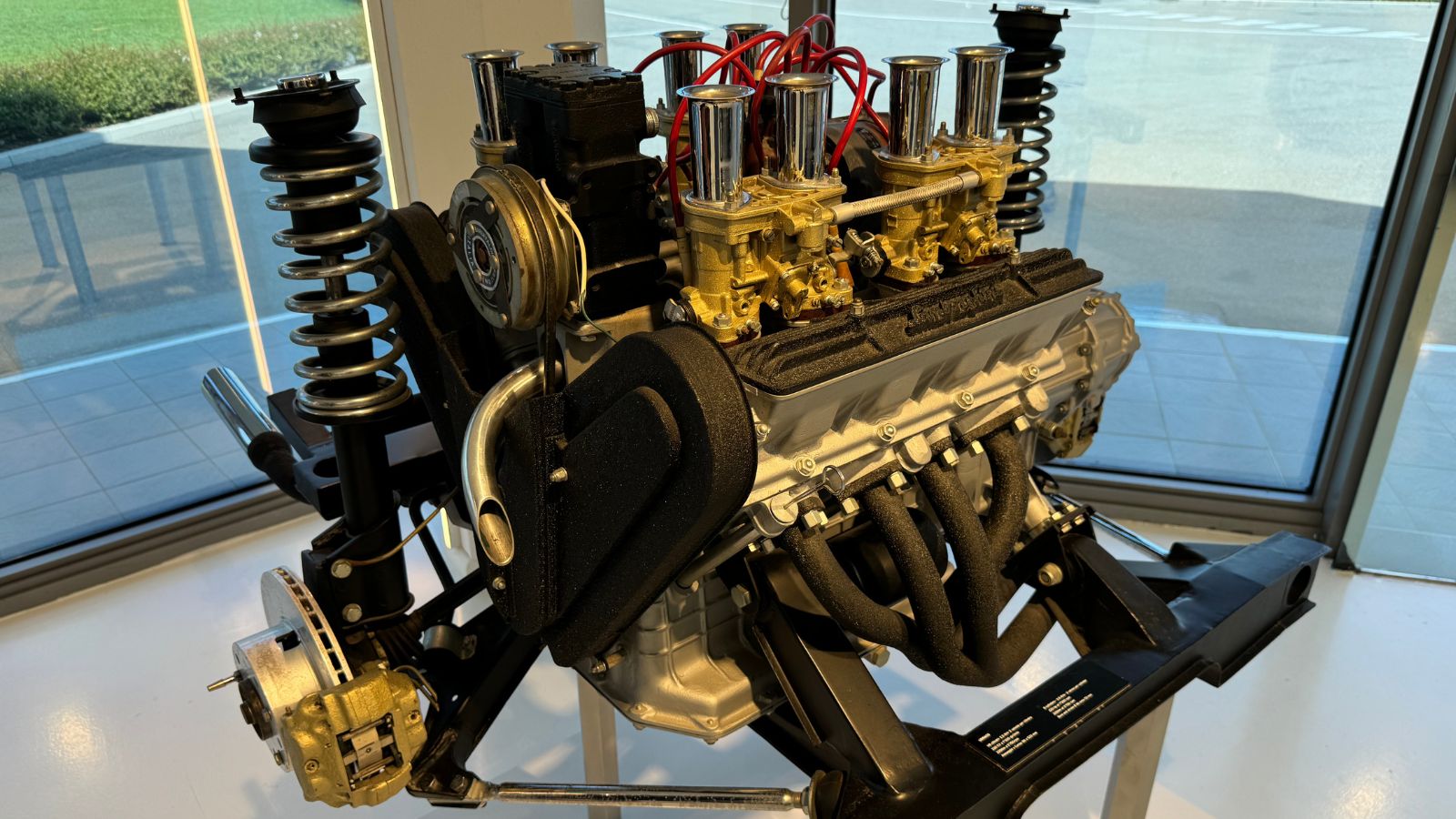
The Lamborghini Transverse V8 made its debut in 1976 with the Lamborghini Urraco P300 and was later refined for the Silhouette and Jalpa models. It marked a departure from the longitudinal V12 layout that had powered the brand’s more exotic machines like the Miura and Countach. Instead, the new V8 engine was mounted transversely behind the passenger compartment, allowing for a more compact design and better packaging in Lamborghini’s smaller, more accessible sports cars.
Design and Engineering Highlights
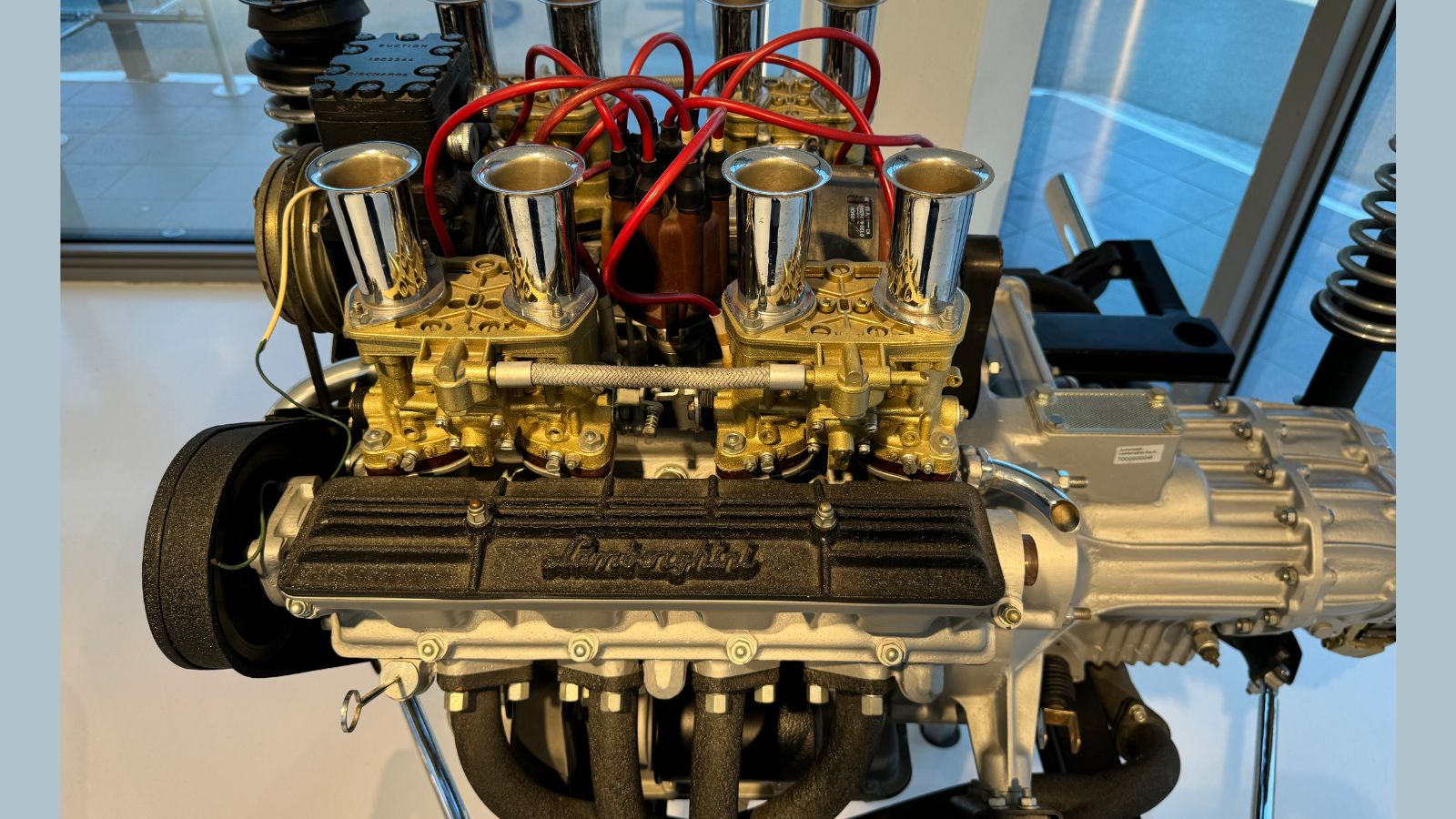
The Transverse V8 was a 90degree, all-aluminum engine with dual overhead camshafts per bank and four Weber carburetors. Displacement ranged from 2.5 to 3.5 liters across its evolution, with output peaking at around 255 horsepower in the Jalpa. The engine was praised for its responsiveness and sound, offering a spirited driving experience that balanced Lamborghini’s racing DNA with everyday usability.
By mounting the engine transversely, Lamborghini was able to optimize space efficiency and handling dynamics. The layout contributed to a shorter wheelbase and a more balanced weight distribution, which improved agility. Additionally, the smaller size and lighter weight of the V8 models made them more approachable to a wider range of drivers, particularly those seeking something more manageable than the fearsome V12 flagships.
Practicality Meets Performance
One of the goals behind the Transverse V8 cars was to expand Lamborghini’s market reach. These models were positioned as entry-level Lamborghinis that could compete with the likes of the Ferrari 308 and Porsche 911. With improved visibility, lighter steering, and more comfortable ride quality, the V8 cars delivered a more accessible form of Italian exotica.
The Jalpa, the last and most refined of the Transverse V8 cars, remained in production until 1988. It featured more civilized manners, modernized styling, and enhanced reliability. Though it never matched the sales or notoriety of the Countach, the Jalpa and its siblings served an important role in keeping Lamborghini afloat during a financially turbulent period.
Key Features of the Lamborghini Transverse V8
- Transverse Engine Layout: This unique configuration helped Lamborghini reduce the overall length of the car, enhancing packaging efficiency and aiding in better weight distribution for improved handling on twisty roads.
- All-Aluminum Construction: The lightweight construction of the engine contributed to better performance, reduced strain on suspension components, and helped the car achieve a lower center of gravity.
- DOHC Design: The dual overhead camshaft layout provided more precise valve control, enabling higher revs and more efficient breathing, which in turn boosted performance and throttle response.
- Multiple Displacement Options: From 2.5L in the Urraco to 3.5L in the Jalpa, the evolving displacement options allowed Lamborghini to adjust performance levels to match market needs and emissions regulations.
- Carbureted Setup: The use of four twin-choke Weber carburetors gave the engine a visceral, mechanical feel, along with an intoxicating sound and immediate throttle engagement.
- Manual Transmission: The V8 cars were equipped with a 5-speed manual transmission, offering a direct and engaging driving experience that allowed drivers to fully exploit the power band.
- Balanced Chassis Dynamics: With a mid-engine setup and transversely mounted engine, the weight balance was more even front to rear, improving grip and predictability in corners.
- Entry-Level Supercar Appeal: These models allowed enthusiasts to own a Lamborghini without stepping up to the demanding and expensive V12 cars, broadening the brand’s appeal.
- Improved Comfort and Usability: Compared to the V12 cars, the V8 models featured easier ingress and egress, more cabin space, and better visibility, making them more suitable for everyday driving.
- Sporty Exhaust Note: Despite the smaller displacement, the V8 had a distinct and throaty exhaust note that retained Lamborghini’s characteristic flair.
- Smaller Dimensions: The compact size made the V8 models easier to drive and park, especially in urban environments where V12 models felt cumbersome.
- Period-Correct Styling: With pop-up headlights, sharp lines, and a wedge profile, these cars were unmistakably of their time and remain desirable today for their retro charm.
- Underappreciated Today: Often overshadowed by their more famous siblings, these V8 Lamborghinis are gaining value and recognition among collectors for their unique place in the brand’s timeline.
- Hand-Built Quality: Each car was assembled by hand in Italy, showcasing Lamborghini’s craftsmanship and attention to detail, even on their more affordable offerings.
- Legacy of Innovation: The V8 program demonstrated Lamborghini’s willingness to innovate and diversify, laying the groundwork for future mid-engine cars that balanced performance with usability.
Gearbox and Power Delivery
The Lamborghini Transverse V8 models were paired with a 5-speed manual transmission that sat directly behind the engine, with the differential integrated into the gearbox casing. This compact layout allowed for a shorter drivetrain and more efficient transfer of power to the rear wheels. The transmission was designed to be responsive, with short throws and a mechanical feel that suited the engine’s free-revving nature.
Power was delivered to the rear wheels through a straightforward and durable rear-wheel-drive system. This setup, combined with the car’s balanced mid-engine configuration, gave drivers a high degree of feedback and control. The result was a driving experience that was intuitive and confidence-inspiring, particularly on winding roads where the car’s agility could be fully appreciated.
This gearbox and drivetrain arrangement not only helped keep weight down but also contributed to the V8 models’ lower center of gravity and compact packaging. These engineering choices enhanced handling dynamics and helped the car respond quickly to driver input, making the Transverse V8 Lamborghinis fun and rewarding cars to drive.
A Legacy Worth Rediscovering
The Lamborghini Transverse V8 cars may not have had the same headline-grabbing presence as the Countach or Diablo, but they played a crucial role in the brand’s history. They offered a taste of Lamborghini flair in a more user-friendly package and showed that the company was willing to innovate and adapt.
Today, these V8 Lamborghinis are gaining recognition among enthusiasts for their uniqueness, drivability, and historical importance. In a world where classic Italian cars are celebrated for their character as much as their performance, the Transverse V8 stands tall as an underrated gem in Lamborghini’s colorful timeline.