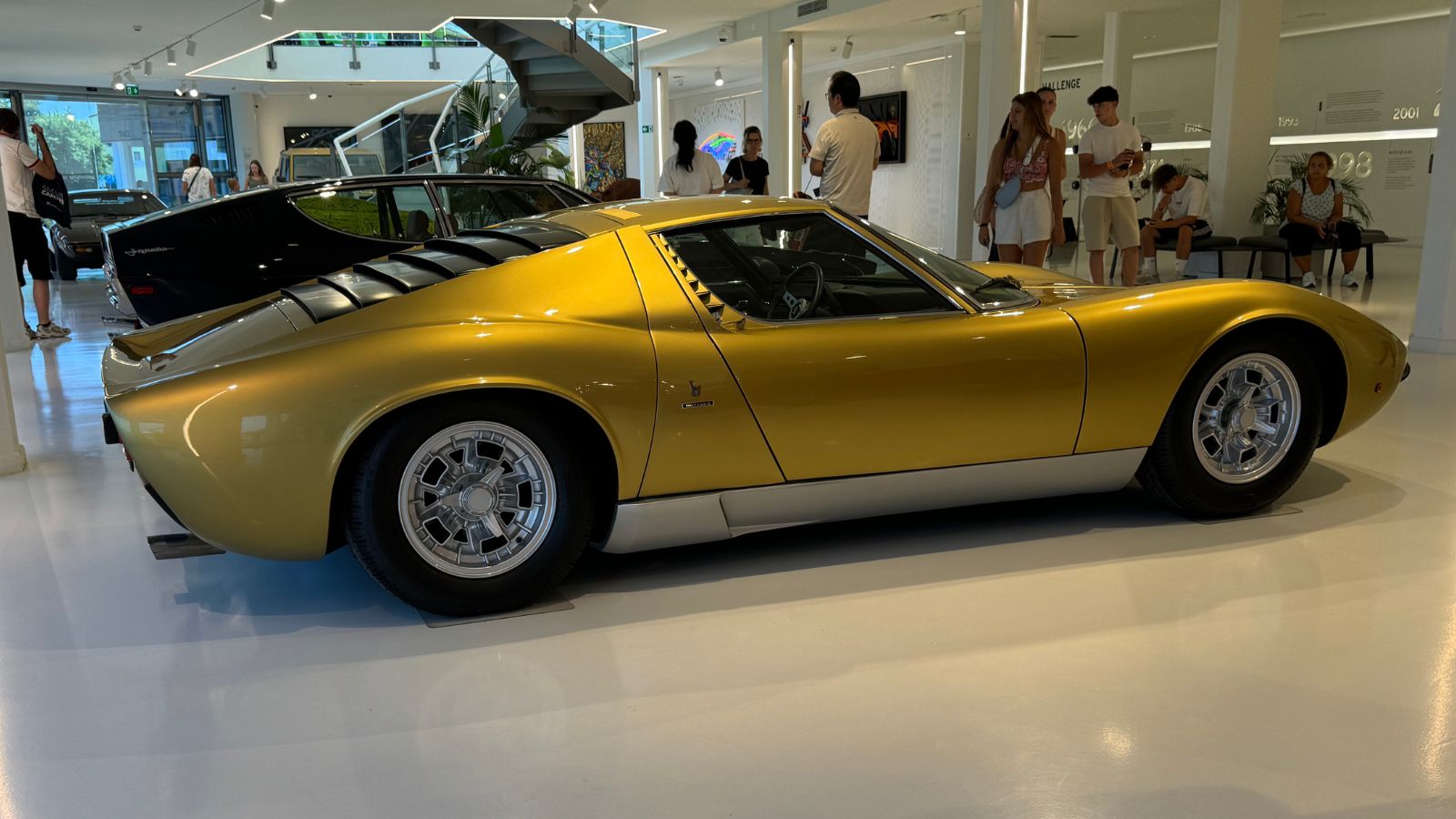
When the Lamborghini Miura burst onto the scene in the mid 1960s, it was unlike anything the automotive world had seen before. This was not just a fast car. It was a revolution in how a performance vehicle could look, feel, and behave. The Miura redefined the concept of a road car, becoming the archetype of the modern supercar and placing Lamborghini firmly on the global stage.
Revolutionary Design
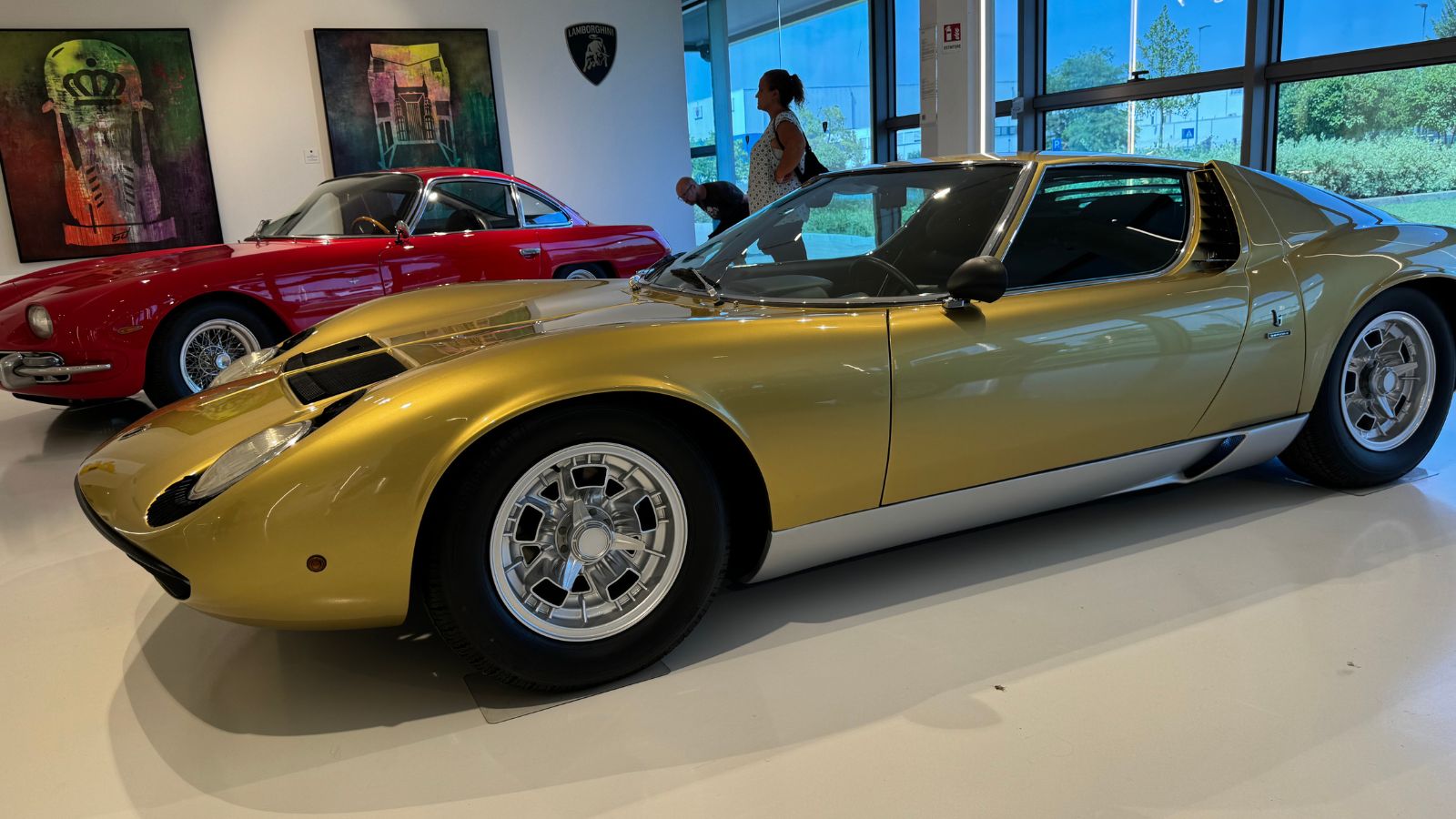
Styled by Marcello Gandini of Bertone, the Miura’s design was breathtaking. Low slung, impossibly sleek, and daringly curvaceous, the car looked like it was moving even when parked. Its mid engine layout, a radical departure from front engine grand tourers of the time, placed the V12 transversely behind the driver and passenger, optimizing weight distribution and delivering exceptional balance and handling.
The Miura’s clamshell bodywork at both front and rear allowed easy access to mechanical components and added to the car’s dramatic appearance. Its aggressive stance and exotic curves would influence countless supercars that followed. From its eyelashes around the headlights to the sinuous side profile, the Miura was a rolling sculpture.
Engineering Brilliance
Under its rear deck sat a 3.9 liter V12 engine derived from Lamborghini’s existing powerplant, reworked and mounted transversely to fit the compact chassis. This layout was a game changer. Producing over 350 horsepower in its earliest P400 form and later reaching around 385 in the Miura SV, the car offered blistering performance for the era. Top speeds exceeded 170 miles per hour, and it could sprint to 60 in under 6 seconds.
The integration of engine, gearbox, and differential into a single casting helped reduce weight and improve rigidity, although it did cause some issues with shared lubrication. These were later resolved in the SV model with a split lubrication system.
An Automotive Game Changer
More than a technological showcase, the Miura was a cultural phenomenon. It was the car of choice for the glamorous elite, featured in films and driven by rock stars and royalty. Its appearance in the opening sequence of “The Italian Job” immortalized it as a symbol of style and speed. It showed the world that Lamborghini, once considered a newcomer to performance motoring, could rival and even surpass Ferrari.
The Miura was not developed in a corporate boardroom. It was born from the passion and vision of a young, ambitious team of engineers led by Gian Paolo Dallara, Paolo Stanzani, and Bob Wallace. With Ferruccio Lamborghini’s blessing and an independent spirit, they created a vehicle that defied expectations and rewrote the rules.
Defining the Supercar Formula
The Miura established the blueprint for every supercar that followed. Mid engine layout. Sensual, aerodynamic design. Aural drama. Exclusivity. It was not just about speed. It was about presence, emotion, and pushing the boundaries of what a car could be.
Today, the Miura remains a timeless masterpiece, coveted by collectors and celebrated by enthusiasts. Its influence is found in every Lamborghini that has followed, from the Countach to the Aventador, and in many ways, in the entire category of exotic performance cars.
The Miura was not just Lamborghini’s breakout model. It was the dawn of the supercar era, and nothing has been the same since.