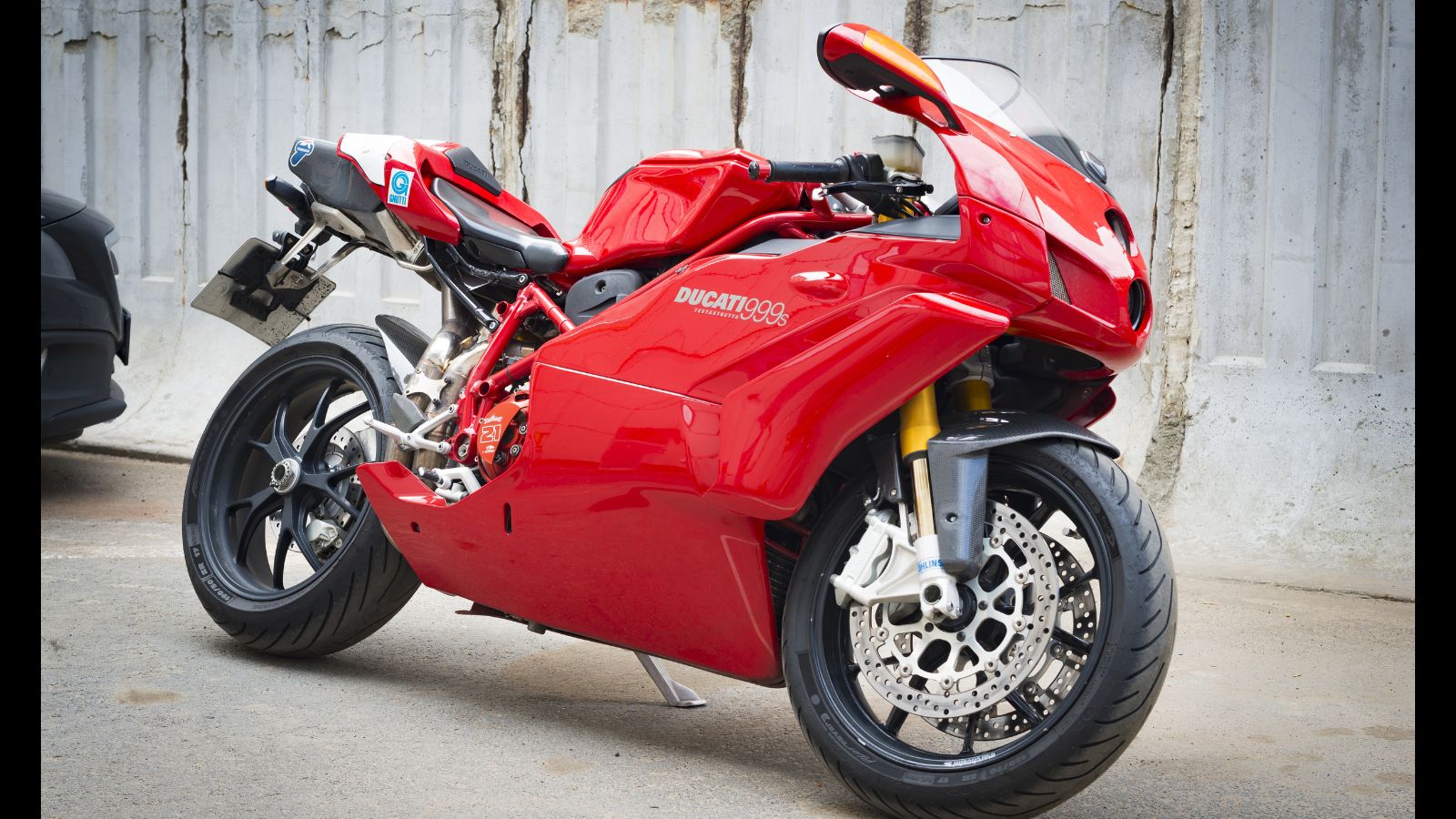
The Ducati 999, penned by South African designer Pierre Terblanche, had the unenviable task of following one of the most iconic motorcycles in history, the Ducati 916. While its predecessor’s design, courtesy of Massimo Tamburini, was universally praised for its elegance, Terblanche’s approach with the 999 was far more polarizing. He prioritized function over form, with a focus on aerodynamics, ergonomics, and rider comfort. The result was a bike that performed brilliantly but didn’t immediately resonate with fans accustomed to the 916’s sensual curves.
Why It Struggled Against the 916 Legacy
The 916 and its derivatives, the 996 and 998, were loved for their timeless aesthetics and raw character. By contrast, the 999’s design was more angular, with a stacked headlight configuration and a minimalist fairing. To many, it looked utilitarian rather than seductive. At the time, this shift in design language alienated some Ducati purists who expected visual continuity. But what many missed was the leap forward the 999 represented in terms of engineering and performance.
Comparing the 998 and 999
On paper and on the road, the 999 was a substantial upgrade over the 998. The 999’s Testastretta engine was more refined and delivered a broader torque curve, making it more usable across a range of riding conditions. The 998 was a raw machine, demanding skill and precision from its rider, while the 999 offered a more accessible experience without sacrificing outright performance. The revised chassis of the 999 provided better weight distribution and improved handling, especially at high speeds. Adjustable ergonomics, including the seat, footpegs, and handlebars, allowed riders to tailor the bike to their preferences—a first for Ducati superbikes.
The Underrated 749
The smaller-capacity Ducati 749 deserves a special mention. Sharing the same design ethos as the 999, the 749 offered a lighter, more nimble package that was perfect for riders looking for a more approachable yet exhilarating ride. With its 748cc engine, the 749 was no slouch, offering spirited performance and exceptional handling. It often gets overshadowed by its bigger sibling, but for many, the 749 was the ideal track weapon or weekend canyon carver.
A Phenomenal Ride
Where the 999 truly shines is on the road and track. The bike’s power delivery is smooth and predictable, making it easier to push hard without fear of being caught out. The suspension, developed in partnership with Öhlins and Showa, provides exceptional feedback and stability, giving riders confidence through corners and under hard braking. The brakes, courtesy of Brembo, deliver incredible stopping power. Simply put, the 999 is a rider’s bike—one that rewards skill and begs to be ridden hard.
Racing Pedigree
The 999’s racing credentials are impressive. It dominated the World Superbike Championship in the early 2000s, securing three titles between 2003 and 2007 with riders like Neil Hodgson, James Toseland, and Troy Bayliss. The bike also found success in domestic superbike series worldwide, cementing its reputation as a race-proven machine.
A Future Collectible
Today, the Ducati 999 is finally getting the recognition it deserves. Its initial lukewarm reception kept prices relatively low for years, but that’s starting to change. As enthusiasts and collectors begin to appreciate its engineering brilliance and racing success, values are climbing. Now is the time to buy before prices reach the stratosphere. The 999 represents a turning point for Ducati, blending cutting-edge performance with bold design.
Final Thoughts
The Ducati 999 is a misunderstood masterpiece. It took risks, pushed boundaries, and delivered a riding experience that still holds up today. If you’re a fan of motorcycles with character, performance, and pedigree, the 999 deserves a spot in your garage. Prices remain reasonable for now, but that won’t last forever. Don’t let this hidden gem slip through your fingers.