Internal combustion engines have powered history’s greatest vehicles and defined eras of engineering brilliance. Some are revered for their performance, others for reliability, and many simply for the character they bring to the driving experience. These engines are not just mechanical components, they are symbols of progress, competition, passion, and identity. Here are 25 of the most legendary combustion engines ever built, spanning continents, decades, and disciplines, from road cars to race tracks.
1. Ford Flathead V8 (1932)
The Ford Flathead V8 revolutionized the automotive world by bringing V8 power to the masses. Before 1932, V8s were exotic and expensive, but Ford made them accessible, launching a new era of performance and customization. Its simple side valve design made it easy to work on, and its unmistakable sound helped birth American hot rod culture. It remains a favorite in traditional rods and customs.
2. Chevrolet Small Block V8 (1955 to present)
The small block Chevy changed everything. It was compact, powerful, and infinitely tunable. Found in everything from trucks to Corvettes, it became the engine of choice for racers, builders, and tuners. Its modular nature and low cost helped make it the most swapped engine in history. Even today, it continues to evolve through crate engine programs and racing use.
3. Volkswagen Air Cooled Flat 4 (1936 to 2003)
This simple, robust boxer engine powered generations of VW Beetles, Buses, and Karmann Ghias. Its air cooled architecture meant fewer parts and greater simplicity, ideal for basic maintenance. The distinctive clatter and smell became part of the cultural experience of owning a VW. It also made waves in motorsport, from Baja races to grassroots circuit events.
4. Cosworth DFV V8 (1967 to 1985)
A dominant force in Formula One, the Cosworth DFV was revolutionary. It was light, powerful, and cost effective, making it accessible to privateer teams. Its design doubled as a structural chassis component, which became standard in F1 engineering. Winning 155 races, it powered some of the greatest drivers and teams in motorsport history.
5. Chevrolet LS V8 Series (1997 to present)
The LS series combined the best of old school and modern engineering. It is a pushrod engine with a compact design but modern reliability and performance. Its aluminum construction in later variants offered weight savings, and it has become the definitive engine for hot rod swaps, with countless aftermarket solutions available. Its popularity shows no sign of fading.
6. Porsche Air Cooled Flat 6 (1964 to 1998)
The soul of every air cooled 911, this engine evolved dramatically over the years. Known for its mechanical whirr, dry sump lubrication, and horizontally opposed configuration, it provided unmatched balance and feedback. It created an emotional connection between driver and machine that modern engines often lack. The flat 6 remains a cornerstone of Porsche’s identity.
7. Chrysler Hemi V8 (1951 to present)
The hemispherical combustion chamber of the Hemi allows for large valves and efficient breathing, leading to exceptional power. Early Hemis powered NASCAR winners, while modern versions drive supercharged monsters like the Hellcat and Demon. Its aggressive torque and thundering soundtrack continue to define American muscle.
8. Toyota Straight 6 (2JZ GTE, 1991 to 2002)
The 2JZ GTE became a legend not just for its 280 horsepower stock output but because it could be tuned far beyond that, sometimes over 1000 horsepower on stock internals. It powered the A80 Supra and became a symbol of reliability and potential. Its cast iron block and robust design made it a favorite for drag racers, drifters, and speed shops.
9. Nissan Straight 6 (RB26DETT, 1989 to 2002)
The RB26DETT became famous through the R32, R33, and R34 Nissan Skyline GT R. Twin turbos, a free revving top end, and superb engine balance made it a favorite for tuners and racers. Combined with Nissan’s ATTESA all wheel drive system, it helped create the Godzilla legend in touring car and street racing culture.
10. Ferrari Colombo V12 (1947 to 1988)
Developed by Gioacchino Colombo, this engine was at the heart of Ferrari’s success for decades. It featured in everything from the earliest 125 S to the Daytona, offering unmatched smoothness, sound, and high revving glory. It was compact for a V12, making it ideal for both road and race cars. No engine screams Ferrari quite like this one.
11. Jaguar XK Inline 6 (1949 to 1992)
First seen in the XK120, this twin cam straight six was ahead of its time. With smooth torque delivery and racing capability, it powered Jaguars to Le Mans victories and was refined over decades in both sports and luxury cars. Its design and appearance became iconic in its own right.
12. Jaguar V12 (1971 to 1997)
Jaguar’s V12 combined smoothness with power in a way few engines have. It featured in the E Type and later in sedans and grand tourers. Despite its complexity and heat management challenges, it offered a unique driving experience, a blend of effortless torque and refined power.
13. Porsche Carrera Four Cam Flat 4 (Type 547, 1953 to 1964)
Designed for motorsport, this engine was a marvel of compact engineering. With gear driven cams and roller bearings, it was intricate and expensive to build. It powered the 550 Spyder and 356 Carrera models, delivering high performance in a small, lightweight package. It remains one of Porsche’s most desirable classic motors.
14. Ford Windsor V8 (1962 to 2001)
From the 289 in early Mustangs to the 302 in GT40s and beyond, the Windsor family became a foundation of Ford performance. Its simple pushrod design made it easy to work on and modify. It defined American V8s for an entire generation of enthusiasts.
15. BMW M Straight 6 Engines (M20, M30, M50, M54)
BMW’s straight six engines became famous for their balance, refinement, and sound. Known for their smooth power delivery and robust construction, they powered everything from sporty E30s to luxurious 7 Series. The M50’s DOHC layout marked a turning point, offering high revving potential and modern sophistication.
16. Mazda 13B Rotary (1973 to 2002)
With no pistons and few moving parts, the Wankel rotary engine was radically different. The 13B made the RX 7 lightweight and agile, and it found success in endurance racing, including Le Mans. While thirstier and less durable than rivals, its uniqueness and rev happy nature earned it a cult following.
17. Audi Inline 5 Turbo (1980s)
Audi’s five cylinder turbocharged engine achieved legendary status in Group B rallying with the original Quattro. Its offbeat firing order gave it a unique warble, and its strength and torque allowed Audi to dominate rally stages around the world. Later versions powered fast sedans and coupes like the RS2 and S2.
18. Mercedes Benz M100 V8 (1963 to 1981)
Under the hood of the Mercedes 600 Grosser and 6.3 models, the M100 was a powerhouse of old school engineering. It delivered massive torque with refinement and helped establish Mercedes as a serious performance brand in the 1960s and 70s.
19. Lamborghini V12 (1963 to 2010)
From the Miura to the Murcielago, Lamborghini’s original V12 was a statement of raw, exotic intent. It screamed at high rpm and looked as good as it sounded. Developed by Giotto Bizzarrini, it became the heart of Lamborghini’s flagship models for nearly five decades.
20. Alfa Romeo Twin Cam (1954 to 1994)
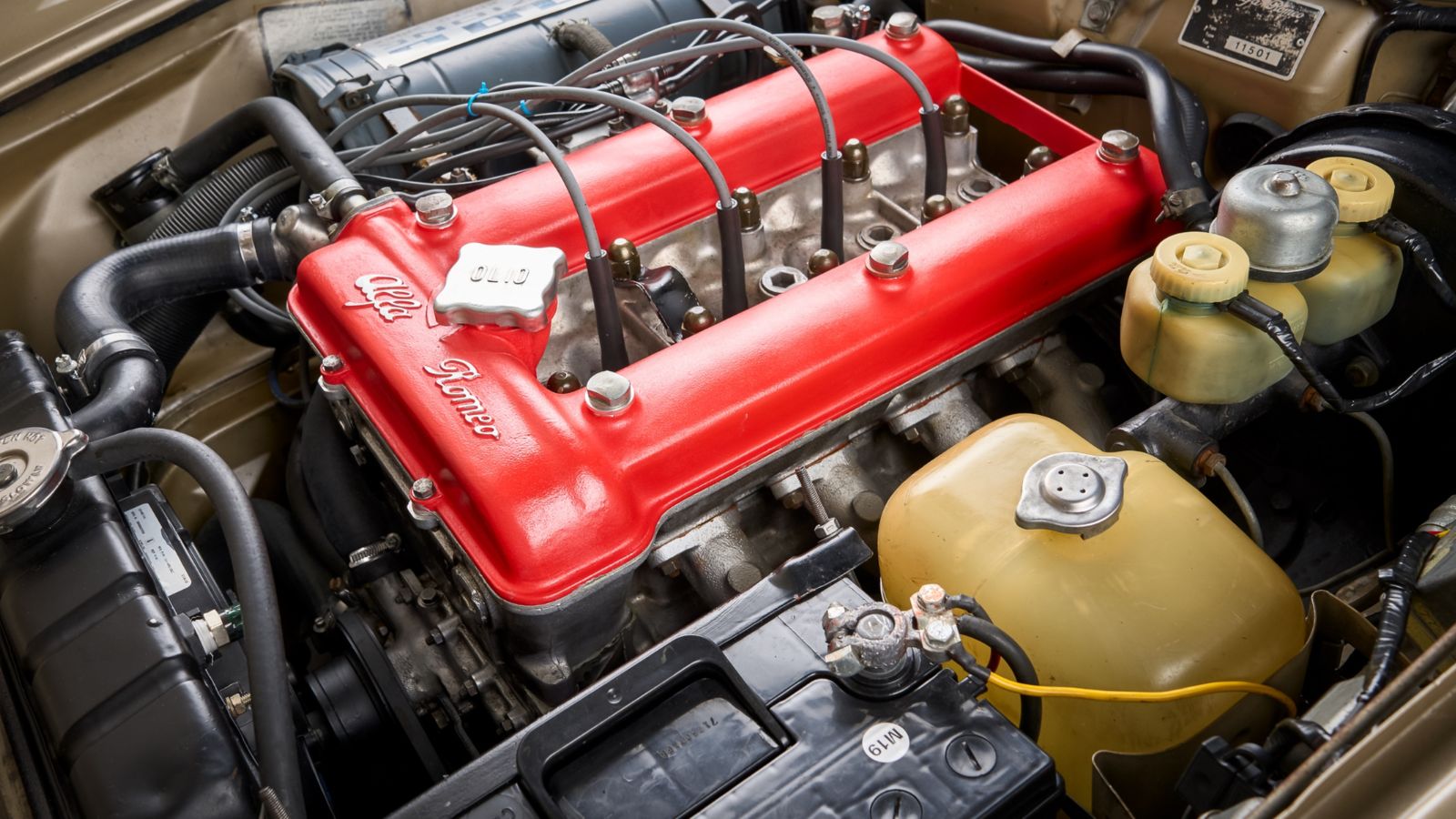
An engine that combined lightweight design with sophisticated engineering, Alfa’s twin cam four was used in everything from sedans to racers. It brought race derived technology to the street and remains beloved for its lively response and sonorous tone.
21. Subaru EJ Series Flat 4 (1989 to 2021)
The heart of the WRX and STI, the EJ engine gave Subaru its motorsport edge. Its low center of gravity helped with handling, and the signature rumble became a calling card. Despite some head gasket woes, the engine was key to Subaru’s rally success.
22. Honda B Series VTEC (1989 to 2001)
Honda’s VTEC technology made the B series famous. High redlines, screaming intake notes, and precision engineering meant small engines that punched above their weight. The B16B in the Civic Type R remains one of the most celebrated four cylinders ever made.
23. Renault Gordini Inline 4 (1950s to 1970s)
Renault’s performance inline 4, tuned by Amedee Gordini, powered spirited little sedans and coupes. It proved competitive in rallies and hill climbs, and its accessibility helped make grassroots motorsport possible across Europe.
24. Buick Nailhead V8 (1953 to 1966)
With a unique layout that prioritized torque, the Nailhead stood out among early postwar V8s. It powered stylish Buicks and early drag racers, and its name and valve cover style remain iconic among hot rod fans.
25. Duesenberg Straight 8 (1928 to 1937)
Years ahead of its time, the Duesenberg eight cylinder engine featured dual overhead cams and four valves per cylinder. It delivered power and sophistication in a time when most engines were crude and underpowered. It helped Duesenberg dominate both the racetrack and the luxury market.
Why These Engines Matter
These engines are more than just metal and fuel. They are benchmarks of engineering innovation and mechanical art. Whether thundering down a drag strip, screaming on a racetrack, or purring down a country road, they remind us that emotion, identity, and craftsmanship live in every revolution of a piston or rotor. Their legacies will outlast the combustion era itself.