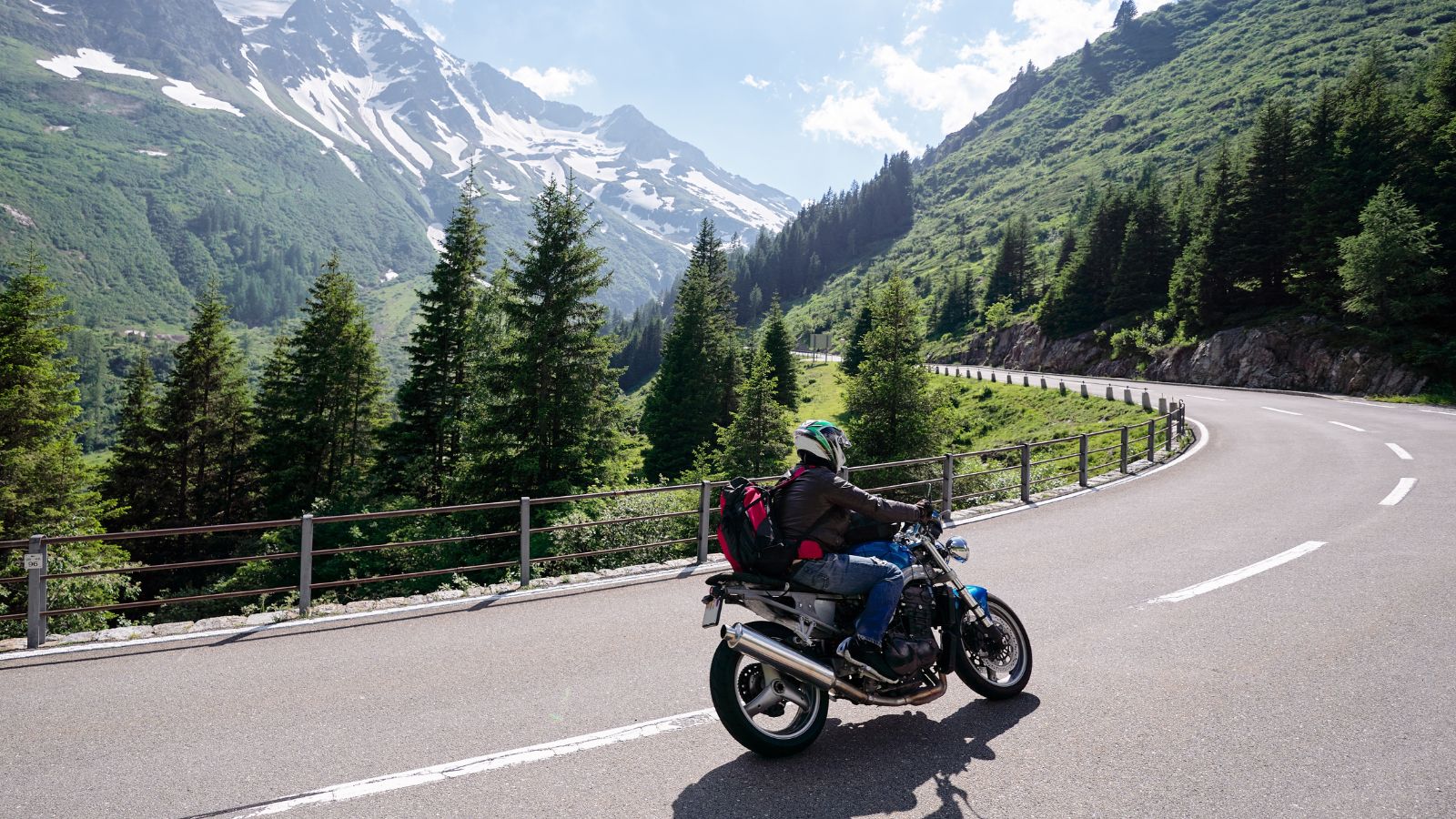
Riding through southern France is an unforgettable experience—epic mountain passes, coastal roads hugging the Mediterranean, and villages that look like they belong in a movie. But to truly enjoy this motorcycling paradise, preparation is key. From documentation to road rules, must ride routes, and essential gear, here’s everything you need to know before firing up your bike and hitting the road.
Essential Documents: Don’t Get Caught Without These
Over the years, I’ve learned that nothing derails an adventure faster than missing paperwork. French authorities have strict requirements for motorcyclists, and the last thing you want is a roadside fine—or worse, getting turned back at a border.
- License & Insurance: A full motorcycle license is required, and your insurance must cover European travel. Double check with your provider that you have the necessary coverage.
- Passport & V5C Logbook: Your passport should be valid for at least six months beyond your return date. The V5C (or equivalent) proves ownership of your bike—don’t leave home without it.
- Safety Equipment: French law requires motorcyclists to carry a hi vis vest for emergencies. Your helmet must have reflective stickers on all four sides. While a warning triangle isn’t legally required for bikes, I always bring one anyway.
- Toll Roads & Payment: Most French highways (autoroutes) have tolls. Some toll booths accept card payments, but others still require cash. Alternatively, invest in a Liber T tag to breeze through without stopping.
Mastering French Road Rules & Conditions
French roads are a joy to ride, but their laws are strictly enforced. Understanding speed limits and lane splitting rules will keep you out of trouble.
- Speed Limits: These vary based on conditions:
- Highways: 130 km/h (81 mph) in dry conditions, 110 km/h (68 mph) when wet.
- Dual Carriageways: 110 km/h (68 mph), reduced to 90 km/h (56 mph) when wet.
- Rural Roads: 80-90 km/h (50-56 mph), depending on location.
- Towns & Cities: 50 km/h (31 mph).
- Lane Splitting: It’s now officially legal in France. You can filter when traffic is moving at 50 km/h (31 mph) or slower, but weaving aggressively between cars is a quick way to get fined.
- Fuel & Weather Considerations: Mountain passes can close unexpectedly due to weather, so always check forecasts before heading into the Alps or Pyrenees. Fuel stations can be sparse in rural areas, so fill up when you can.
The Must Ride Routes of Southern France
Southern France is a dreamland for motorcyclists, offering everything from tight technical switchbacks to open coastal roads with sweeping views.
Route des Grandes Alps: The Ultimate Mountain Ride
A bucket list route, this 720km ride from Lake Geneva to Nice takes you through some of the most breathtaking scenery in Europe. Along the way, you’ll tackle iconic mountain passes like:
- Col du Galibier: 2,642m of altitude with stunning panoramic views.
- Alpe d’Huez: A legendary climb famous from the Tour de France.
- Col de l’Iseran: The highest paved pass in the Alps at 2,770m.
Route Napoléon: History Meets Pure Riding Bliss
This 320km stretch from Grenoble to Antibes follows the path of Napoleon’s return from exile. It’s a dream for riders endless curves, perfectly surfaced roads, and incredible elevation changes.
Col du Pourtalet: Pyrenean Perfection
For those who prefer the Pyrenees, the 54km stretch of Col du Pourtalet delivers stunning views and a mix of flowing sweepers and tight corners.
Mont Ventoux: The Bald Giant of Provence
One of the most famous climbs in France, Mont Ventoux offers a unique challenge with its barren, lunar like summit. The twisty ascent rewards you with spectacular views stretching for miles.
Where to Stay: Rider Friendly Accommodations & Pit Stops
Finding motorcycle friendly lodging makes a huge difference on long tours. Look for places that offer:
- Secure Parking: A must, especially when carrying luggage.
- Drying Rooms: Essential if you get caught in unexpected rain.
- Fellow Riders: Hotels and B&Bs that cater to bikers often have great route recommendations.
A few favorites include:
- Riders Rest (Massif Central): A dedicated biker’s retreat with great food and camaraderie.
- Hôtel de Moulin (Normandy): A favorite among riders for its location and biker friendly facilities.
- Auberge de la Croix Perrin (Vercors region): Perfect for those tackling the Route Napoléon.
As for food? French roadside cafés put the average truck stop to shame. Skip fast food and enjoy a leisurely espresso or a proper meal at a local bistro.
Gearing Up: The Essentials for Maximum Enjoyment
Packing the right gear can make or break your trip. I swear by these essentials:
- Motorcycle Suit & Layers: Temperatures fluctuate wildly between the mountains and the coast. A breathable touring suit with removable layers keeps you comfortable.
- Waterproof Gear: Even in summer, mountain storms can hit unexpectedly. Keep waterproofs at the top of your luggage for easy access.
- Navigation & Communication: A GPS with offline maps is a lifesaver in remote areas. If riding in a group, Bluetooth comms help with coordination.
- Toolkit & Emergency Supplies: Basic tools, a tire repair kit, and spare fuses can get you out of trouble. I also carry a power bank for charging devices on the go.
- Tank Bag for Quick Access: Keep water, snacks, and documents within reach. It’s a small detail that makes a big difference.
Final Thoughts: The Ride of a Lifetime
Riding through southern France isn’t just about the roads it’s about the entire experience. From carving perfect corners in the Alps to cruising the sun drenched coastline of the Riviera, every moment is a sensory overload. The smell of lavender fields, the crisp mountain air, the adrenaline of leaning into sweeping turns it’s what motorcycling is all about.
Whether you’re riding solo or with friends, this journey is one you’ll remember long after you’ve parked the bike. Southern France isn’t just a destination; it’s a rite of passage for every motorcycle adventurer. So fuel up, gear up, and hit the road it’s time to write your own chapter of riding history.