
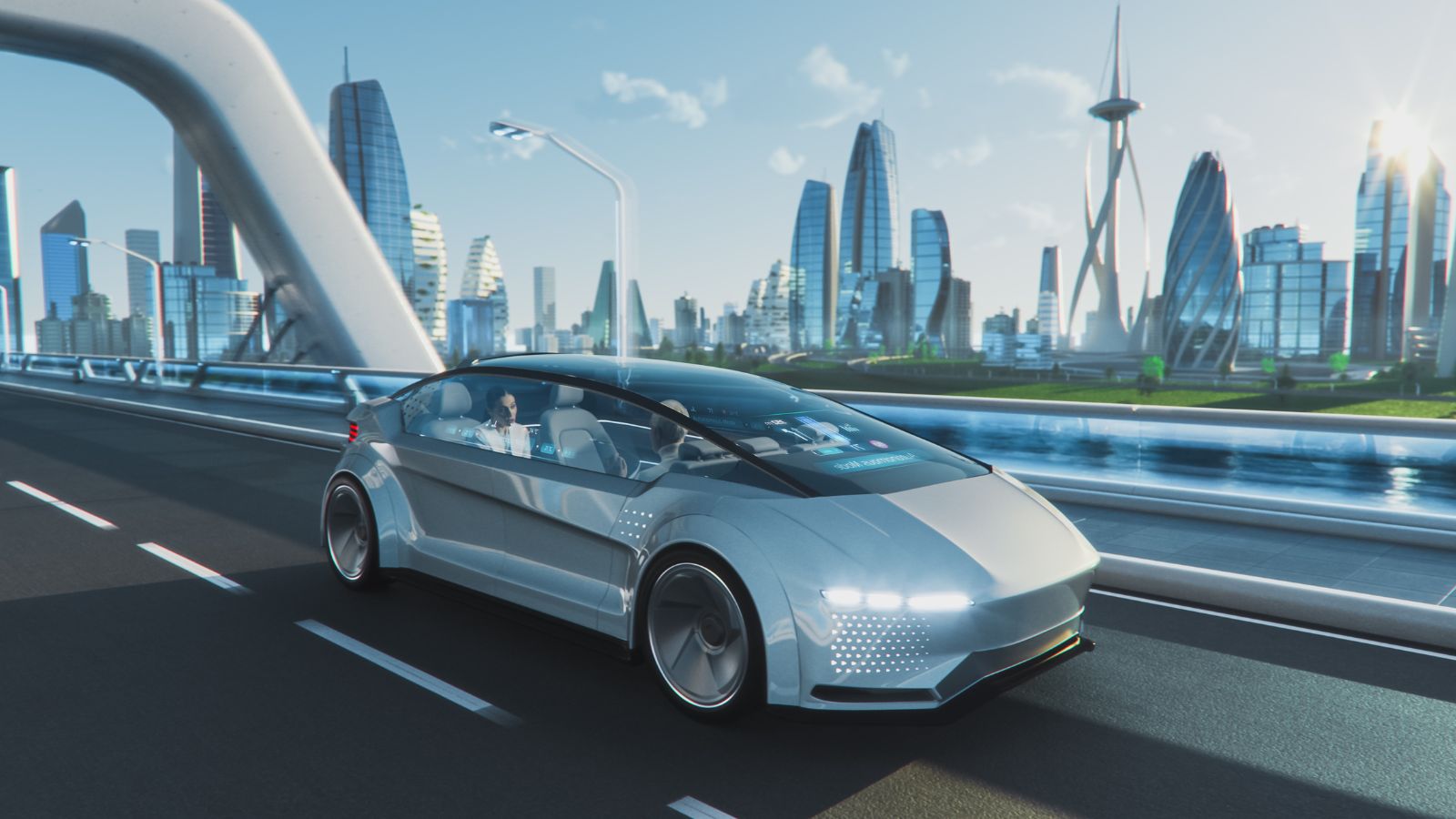
The automotive world is on the edge of a revolution. Self driving cars, once a sci fi dream, are now being developed and tested on public roads by the biggest tech firms and carmakers on the planet. With promises of convenience, safety, and efficiency, the age of autonomous driving is accelerating. But for the driving enthusiast, the person who treasures the connection between man and machine, this is not an exciting future. It is a bleak one.
The End of Connection
Driving is more than getting from A to B. It is an experience. For those who love cars, it is about feeling the feedback through the steering wheel, the gear shift under hand, the revs climbing, and the tires responding to your input. It is mechanical communication. It is a relationship. The arrival of autonomous vehicles strips all of that away. In a self driving car, the driver is no longer part of the process, they become just another passenger.
From Machines to Appliances
Cars have long been objects of emotion. People form attachments to them, modify them, name them, and preserve them. They tell stories, reflect personalities, and inspire lifelong hobbies. Self driving vehicles, on the other hand, are shaping up to be more like smartphones or laptops. They will be judged by their screen size, connectivity, comfort, and how well they integrate into your digital life. That is not a culture. That is a product.
Cars Will Become Trains
Much like trains, which are valued for utility and convenience, autonomous vehicles will likely serve a functional purpose and little more. You get in, you ride, you arrive. There is no thrill, no variation, no engagement. Just like no one collects or personalizes their morning commuter train, future self driving cars may become bland transport appliances. Their only appeal will be how well they perform their limited job. The emotional connection we have with cars today could fade into nostalgia.
No Culture, No Heart
Driving culture is about more than cars. It is about garages, racetracks, open roads, wrenching on weekends, and meeting up at shows. It is about the imperfections, the smell of fuel, the pride of mastering heel toe downshifts, and the bond between owners and machines. None of that translates to an autonomous future. Tech fans and data lovers may enjoy logging range data or beta testing new AI features, but that is not soul. That is software.
The Loss of Personal Freedom
As autonomous technology becomes more widespread and regulation catches up, there will likely be a shift in public thinking. If a self driving system can be statistically proven to reduce accidents, will human driving begin to be viewed as irresponsible? Will society decide that letting people drive themselves is an avoidable risk? The freedom to get behind the wheel may become increasingly restricted or even outlawed in urban areas altogether.
That is the deeper threat. The car has long represented personal freedom and autonomy. You decide where to go, how to get there, when to leave, and how fast to drive. In a fully autonomous system, those choices may be dictated by algorithms and centralized systems. It could become a transportation matrix, efficient, controlled, and predictable, but lacking any true sense of individual liberty.
A Future Without Ownership
Many proponents of autonomous cars also imagine a world without car ownership. Fleets of shared, subscription based vehicles might replace personal garages. While efficient on paper, this model severs the relationship between driver and machine entirely. No more weekend detailing, no more custom touches, no more mechanical bonding. The car becomes a service, not a companion.
There Will Be Fans, But Not Like Before
Of course, there will be people who follow autonomous vehicle development with passion, the tech enthusiast crowd, early adopters, software engineers, and the equivalent of train spotters. They will be fascinated by updates, network integration, and system behavior. But it will not be the same as what car culture has always been. Cars driven by people inspire. Cars driven by code inform.
The Safety Argument
One of the most compelling reasons for autonomous cars is safety. With over thirty thousand deaths per year on American roads alone, it is easy to argue that human error is the biggest risk in driving. Machines do not get drunk, tired, or distracted. As systems improve, the number of road traffic accidents could decline dramatically. This might lead to a societal shift that views human driving as unnecessary and unsafe, a nostalgic indulgence with real world consequences.
The Soul We Cannot Code
Self driving cars are inevitable. For many, they will be convenient, efficient, and maybe even lifesaving. But for those who see cars as more than just transportation, who view them as expressions of personality, freedom, and mechanical beauty, this future offers little to be excited about. It is not a celebration of driving. It is its quiet extinction. And while the roads of tomorrow may be safer and smarter, they will be missing something you cannot engineer: soul.