Buying a used motorcycle can be an exciting experience, but doing a thorough check is essential to avoid future headaches. These detailed steps will guide you to ensure the bike you’re considering is worth your investment.
1. Overall Appearance
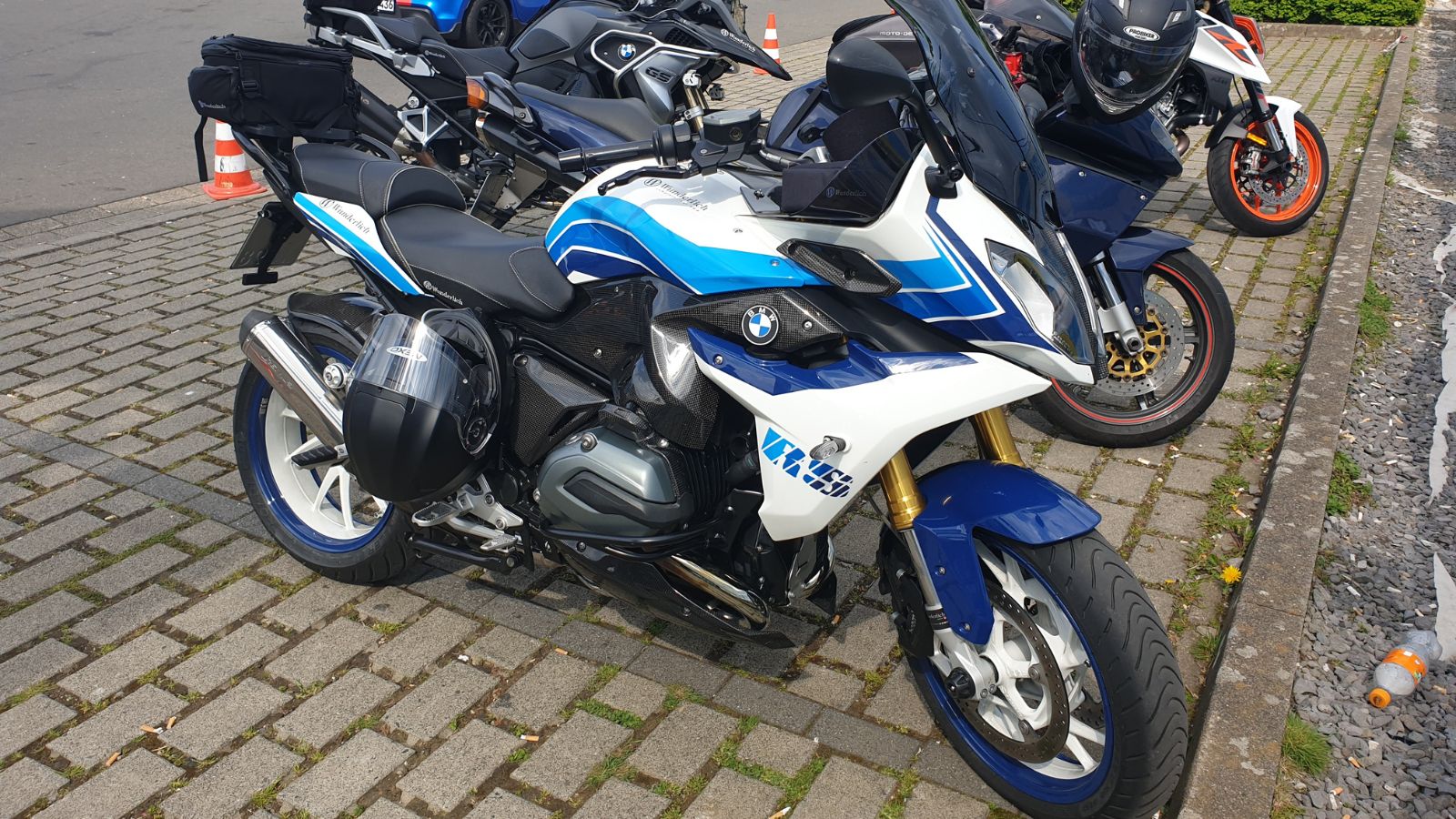
Inspect the bike closely. Look for scratches, dents, or signs of rust on the frame, tank, and other parts. Excessive wear can indicate poor maintenance. Check if the paint job is original or hiding underlying issues. A clean, well-kept bike often reflects an owner who cared about its condition.
2. Frame Condition
Examine the frame for cracks, bends, or weld marks, particularly around the steering head and subframe. These can signal past accidents or structural weaknesses. Use a flashlight to inspect hard-to-see areas. A compromised frame can make the bike unsafe.
3. Tires
Check the tires for tread depth, cracks, and uneven wear. Worn-out tires need immediate replacement, while uneven wear could point to alignment or suspension problems. Ensure the tires match and are suitable for the bike’s purpose.
4. Brakes
Squeeze the brake levers and observe their responsiveness. Inspect the brake pads for remaining thickness and the rotors for grooves or discoloration. Spongy brakes or excessive wear on components can lead to safety concerns.
5. Suspension
Compress the front and rear suspension. It should rebound smoothly without any creaks or sticking. Inspect the fork seals for oil leaks and the rear shock for signs of wear or leaks. Faulty suspension affects handling and comfort.
6. Engine Leaks
Look for oil or coolant leaks around the engine casing, gaskets, and hoses. Leaks can indicate worn seals or poor maintenance. Check the color of the oil on the dipstick. Clean oil signifies regular servicing, while dark, dirty oil suggests neglect.
7. Chain and Sprockets
Inspect the chain for proper tension and lubrication. A rusty or slack chain needs replacement. Examine the sprockets for sharp, hooked teeth, which indicate excessive wear. A good chain and sprockets ensure smooth power delivery.
8. Electrical System
Test all the lights, including the headlight (high and low beams), tail light, and turn signals. Check the horn and any dashboard indicators. Faulty electrics can be frustrating to repair and might signal larger wiring problems.
9. Battery
Ask about the battery’s age and condition. Inspect the terminals for corrosion and ensure the battery holds a charge. Weak batteries can cause starting issues and other electrical problems.
10. Exhaust System
Examine the exhaust for rust, dents, or discoloration. Start the bike and listen for unusual noises such as rattling or excessive popping. Blue or white smoke can indicate engine trouble.
11. Controls
Test the clutch, throttle, and brake levers. They should move smoothly without sticking or excessive play. Adjustments or repairs may be needed if the controls feel uneven or worn out.
12. Odometer Reading
Note the mileage and consider it alongside the bike’s age. High mileage isn’t always bad if the bike has been well-maintained. Look for signs of odometer tampering, such as mismatched wear on components.
13. Service Records
Request maintenance records or service receipts. Regular oil changes, valve adjustments, and other routine work suggest the bike has been cared for. Missing records aren’t a dealbreaker but raise questions.
14. Title and VIN
Verify the bike’s title is clear, not salvaged or rebuilt. Match the VIN on the title to the one on the bike. This ensures you’re buying from a legitimate owner and not inheriting legal issues.
15. Cold Start
Start the bike when the engine is cold. This reveals issues like hard starts, excessive cranking, or smoke. A well-maintained bike should start easily and idle steadily without strange noises.
16. Gearbox
Shift through all gears during a test ride. Gear changes should feel smooth and precise. Listen for grinding, slipping, or unusual noises, which can indicate gearbox or clutch problems.
17. Cooling System
Check the coolant level and inspect hoses and the radiator for leaks or damage. The cooling system should maintain the engine’s temperature within a safe range, even during extended rides.
18. Handlebars and Alignment
Ensure the handlebars are straight and the bike tracks true when pushed. Misaligned handlebars or uneven tracking could suggest frame damage or previous accidents. Test the steering for any tight spots or wobbling.
19. Test Ride
A test ride is essential. Pay attention to how the bike feels during acceleration, braking, and cornering. Unusual vibrations, noises, or handling quirks can signal hidden problems. Trust your instincts if something feels off.
20. Price Research
Research prices for similar models in your area. Compare the bike’s condition, mileage, and modifications to others on the market. This ensures you’re paying a fair price and not overpaying for unnecessary extras.
Why These Checks Matter
A used motorcycle can be an excellent investment if you approach the process with care. These detailed checks help you avoid hidden issues and ensure you buy a bike that’s reliable and enjoyable. Remember, taking the time to inspect thoroughly will pay off with a machine that delivers years of riding pleasure.
So, gear up and start your search with confidence. With the right approach, you’ll find a motorcycle that fits your needs and brings countless miles of excitement.