
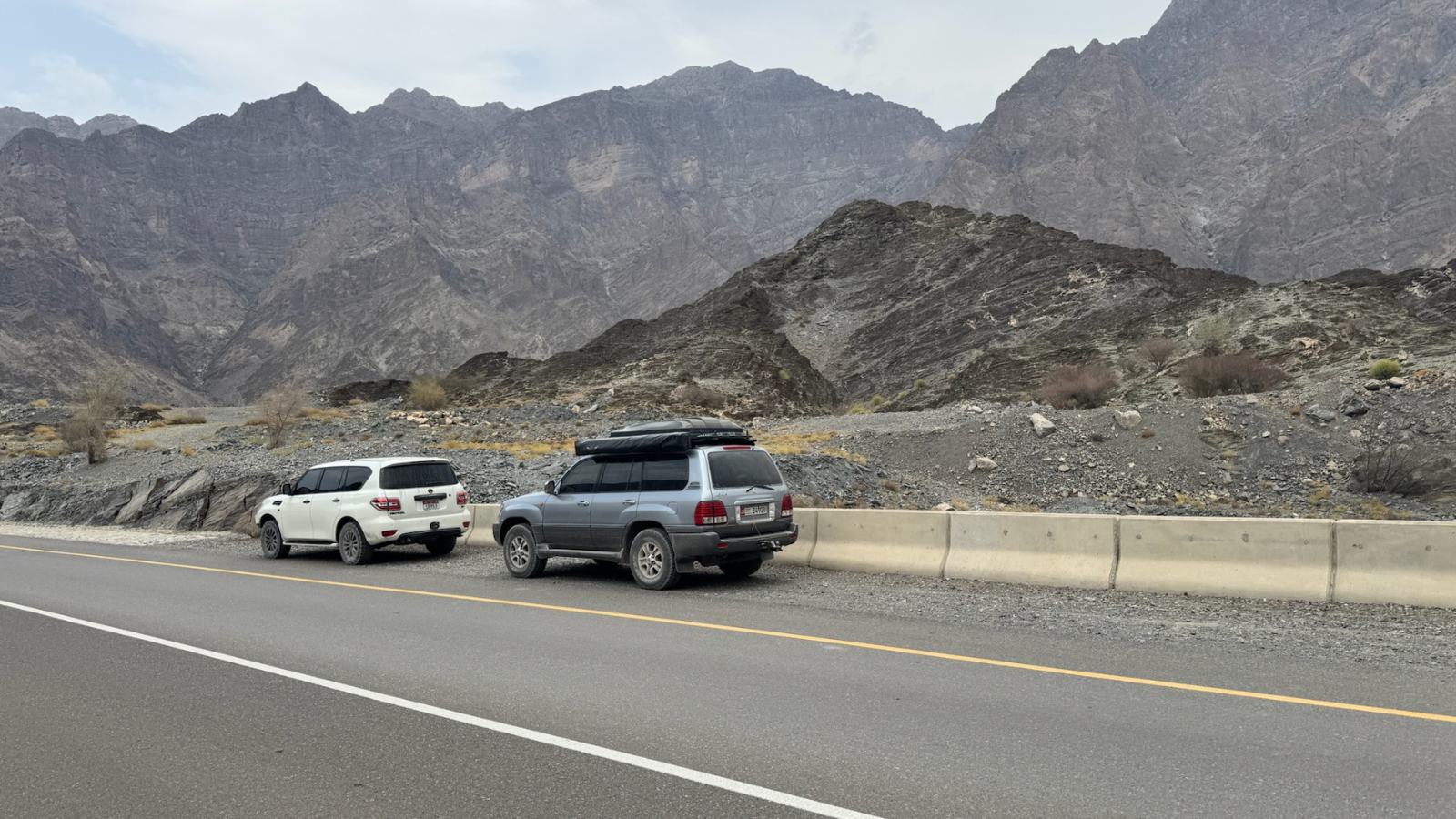
Overlanding isn’t just about driving. It’s about discovery. The idea is simple yet powerful: travel across vast landscapes using self-reliant, rugged vehicles, often venturing off the beaten path and into remote wilderness. At its core, overlanding is a pursuit of freedom, freedom from roads, routine, and restrictions.
The Call of the Unpaved Path
Unlike traditional road trips, overlanding embraces unpaved tracks, forest trails, mountain passes, and desert dunes. The appeal lies in the unknown, in challenging terrain, and in the beautiful unpredictability of nature. Your destination might be a forest clearing under the stars, a windswept plateau, or a forgotten canyon. It’s not about getting from A to B quickly it’s about savoring everything in between.
Man and Machine in Harmony
What makes overlanding so unique is the deep bond formed between driver and machine. Whether it’s an old Land Rover Defender, a Toyota Land Cruiser, or a custom-built camper, your vehicle becomes more than transportation. It’s your shelter, your lifeline, your trusted companion.
These machines are tested not by speed but by endurance, adaptability, and resilience. Water crossings, steep inclines, deep mud, and unpredictable weather are part of the challenge. And with every obstacle overcome, the vehicle feels more alive more a part of the adventure.
Freedom on Four Wheels
For many, overlanding represents ultimate autonomy. No check-in times. No paved roads telling you where to go. You navigate with a compass, a GPS, or sometimes just intuition. Each journey is tailored to your desires, your pace, your rhythm.
It taps into something primal the desire to roam, to explore, to find out what’s around the next bend. There’s a thrill in being self-sufficient, in carrying everything you need and setting your own course. In a world of schedules and screens, overlanding invites you to disconnect and just be present.
Nature Without Borders
Overlanders often find themselves in places untouched by mass tourism. These are landscapes where silence reigns, wildlife moves freely, and the horizon seems endless. From the red rock mesas of Utah to the icy forests of Scandinavia, overlanding takes you to places where the natural world still holds sway.
This closeness to nature fosters respect. It teaches you to tread lightly, to appreciate the quiet majesty of a remote valley or the roaring stillness of a mountain storm. It reminds you that we are visitors in these places and that’s a humbling, beautiful thing.
Building the Ultimate Adventure Rig
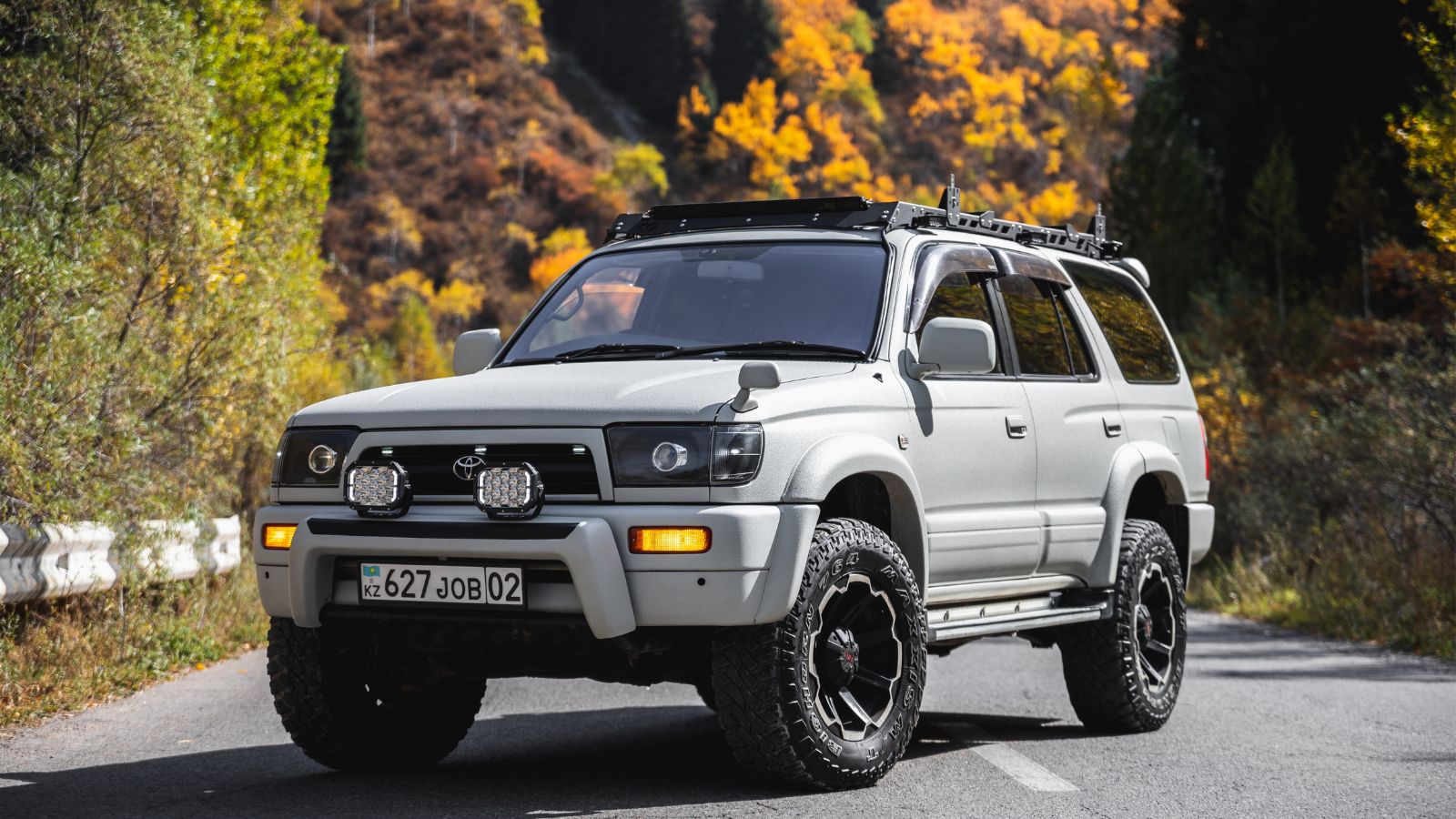
Not everyone starts their journey with a purpose-built expedition vehicle. In fact, a huge part of the overlanding culture involves modifying humble SUVs and rugged 4x4s to become adventure-ready machines. Whether it’s an aging Toyota 4Runner or a brand-new Jeep Wrangler, the goal is the same: create a vehicle capable of self-reliance in the wild.
There are ten key modifications that overlanders commonly make to prepare for the road less traveled:
- Suspension Upgrades – Lifting the suspension and fitting more durable shocks helps increase ground clearance and off-road capability.
- Roof Racks – Essential for carrying bulky gear such as fuel cans, water containers, or a roof tent.
- All-Terrain or Mud-Terrain Tyres – Choosing the right tyres can make or break an overland trip. Proper tyres offer traction, durability, and confidence.
- Tyre Inflators and Deflators – Airing down tyres for off-road traction and inflating them again for highway driving is a vital routine. Portable systems are a must.
- Spare Wheels and Tyre Repair Kits – A single puncture in the middle of nowhere can derail a trip. Being prepared means bringing spares and knowing how to use them.
- Auxiliary Fuel Storage – Extended range is critical in remote areas where petrol stations are few and far between.
- GPS Navigation Devices – With limited cell coverage, dedicated GPS systems or offline maps are essential.
- Dual Battery Systems – An auxiliary battery powers fridges, lights, and devices without draining the vehicle’s main power supply.
- Roof Tents and Sleeping Setups – Many overlanders choose roof tents for their convenience and safety, offering elevated sleeping quarters with quick setup.
- Recovery Gear – Winches, traction boards, and tow straps ensure that if you get stuck, you can get yourself out again.
Each of these modifications serves a function: enhancing capability, reliability, and comfort. They transform everyday vehicles into platforms for exploration.
A Community of Wanderers
Another compelling element of overlanding is the community it nurtures. Around campfires or in roadside repair sessions, stories and tips are shared freely. There’s camaraderie in challenge and an unspoken bond between those who seek the long road. Whether you’re crossing continents or just escaping the city for the weekend, the ethos is the same, keep moving, stay curious.
The Real Luxury: Experience
In an age of instant gratification, overlanding is a slow, deliberate, analog adventure. It isn’t about luxury in the traditional sense it’s about rich experiences. Cooking a meal at dusk on a portable stove, waking up to birdsong in an unknown forest, feeling the crunch of gravel beneath your tires at sunrise these are the things that make the soul feel alive.
Overlanding isn’t for everyone. It demands preparation, patience, and a spirit of adventure. But for those who answer its call, it offers something rare and profound: a sense of freedom that can’t be bought, only earned. A journey that never truly ends. And the quiet knowledge that the best roads often aren’t roads at all.