The 2000s marked a muscle car renaissance. After decades of dormancy or cautious reentry, the big three American automakers finally put serious power back into the hands of everyday drivers. Retro styling fused with modern technology. Horsepower numbers climbed fast. Suspension tuning and braking performance began to catch up with raw engine output. The muscle cars of the 2000s blended nostalgia with real engineering advancement, delivering machines that didn’t just look the part, but could truly perform. Fuel injection, aluminum blocks, and stronger gearboxes brought the old muscle car ethos into the twenty first century. These are the ten American muscle cars that defined the new millennium’s first decade.
1. 2003 Ford Mustang SVT Cobra “Terminator”
The Terminator Cobra was a beast. With a supercharged 4.6 liter V8 producing 390 horsepower and 390 pound feet of torque, it was faster than any Mustang before it. Independent rear suspension, upgraded brakes, and aggressive styling made it a full package. Built by Ford’s Special Vehicle Team, it was a statement of intent that Ford was serious about performance again. The Cobra could hit sixty in just over four seconds and became an instant classic. It was also one of the most mod friendly cars of its time, with the potential to safely push over 500 horsepower with basic upgrades.
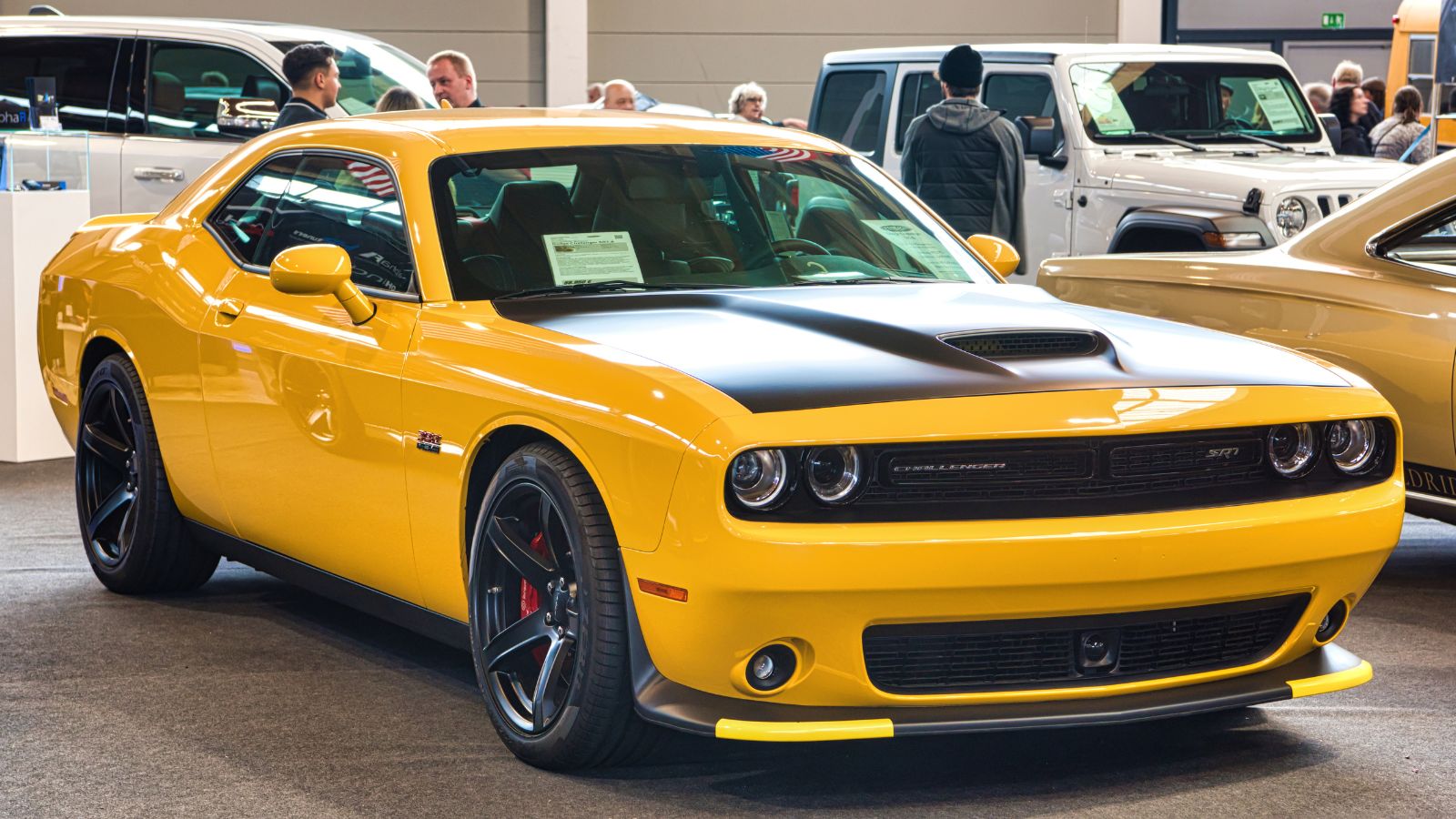
2. 2008 Dodge Challenger SRT8
Dodge brought back the Challenger with bold, retro inspired looks and serious firepower. The SRT8 came with a 6.1 liter HEMI V8 making 425 horsepower. It had a wide stance, muscular lines, and tons of street presence. While a bit heavy, it made up for it with sheer straight line acceleration. It was a modern take on the classic muscle formula and sparked the Mopar resurgence that continued for years. The interior was simple but effective, and the exterior design captured the spirit of the original 1970 Challenger almost perfectly.
3. 2001 Chevrolet Camaro SS
The fourth generation Camaro ended in 2002, but it went out on a high note. The SS package, enhanced by SLP, featured a 5.7 liter LS1 V8 making up to 345 horsepower. It had real performance credibility with excellent acceleration, especially in manual trim. Aggressive styling and functional aero touches made it a true street machine, while the LS1 engine laid the groundwork for countless performance builds to come. It had a devoted enthusiast base and still represents one of the best horsepower per dollar values on the used market.
4. 2005 Ford Mustang GT
When the S197 Mustang debuted in 2005, it reignited the pony car wars. It looked like a throwback to the late 60s, but underneath it had a 4.6 liter three valve V8 making 300 horsepower, a solid rear axle tuned for improved handling, and a tighter, stiffer chassis. It wasn’t the most refined, but it was fun, fast, and affordable. It brought emotion and performance together in a way that reminded people why they loved the Mustang to begin with. It also became the base for several special editions including the Bullitt and Shelby variants that followed.
5. 2009 Pontiac G8 GXP
Pontiac was fading, but before the lights went out, they dropped the G8 GXP — a four door muscle car with a Corvette heart. Its 6.2 liter LS3 V8 made 415 horsepower and could be had with a manual gearbox. It had rear wheel drive, a well balanced chassis, and sleeper styling. It was fast, refined, and had real presence. The G8 GXP was one of the best performance sedans of its era, and its rarity only adds to its legend. Built on a Holden platform from Australia, it brought a level of handling sophistication and international flair to Pontiac’s final years.
6. 2006 Dodge Charger SRT8
The Charger nameplate returned on a four door, but it brought real muscle with it. The SRT8 came with a 6.1 liter HEMI making 425 horsepower and could run to sixty in the low five second range. It was big, loud, and unapologetically brash. With rear wheel drive and aggressive styling, it gave Dodge fans a new reason to get excited — especially those with a family to haul. The Charger proved you could have a true muscle car feel without giving up comfort, space, or everyday usability.
7. 2002 Pontiac Firebird Trans Am WS6
The final year of the Firebird was bittersweet, but the WS6 version was a great send off. It featured the same LS1 V8 as the Camaro, but with a Ram Air hood, tighter suspension, and unique styling. Making 325 horsepower, the WS6 was quick and distinctive, with a growling exhaust note and loads of attitude. It remains a favorite among collectors who appreciate its blend of 90s tech and 2000s performance. The interior was basic but focused, and the car had a visceral feel that few modern vehicles match.
8. 2007 Shelby GT500
Ford teamed up with Shelby once again to revive the GT500 badge. This time it came with a supercharged 5.4 liter V8 making 500 horsepower and 480 pound feet of torque. It was fast in a straight line, loud, and full of presence. Though heavy and not the sharpest handler, it had muscle car personality in spades. The Shelby GT500 brought instant heritage and massive power to the new age Mustang lineup. It also set the stage for even more potent variants like the GT500KR and later 2010s monsters.
9. 2004 Mercury Marauder
The Marauder was Ford’s attempt to put performance back into the Panther platform. Based on the Crown Victoria, it featured a 4.6 liter DOHC V8 with 302 horsepower, beefed up suspension, and a blacked out body. It wasn’t a burnout monster, but it had real muscle car presence and offered comfort with attitude. The Marauder built a cult following that has only grown since its short production run. With modern upgrades, many Marauders now run deep into performance territory their factory spec only hinted at.
10. 2006 Chevrolet Trailblazer SS
Yes, it was an SUV, but it came with a Corvette engine. The Trailblazer SS had a 6.0 liter LS2 V8 making 395 horsepower and standard all wheel drive or rear wheel drive. It could tow, it could launch, and it could surprise anyone who mistook it for a family hauler. It was part of the brief but fun muscle SUV movement, and it delivered American muscle in an unexpected form. It had aggressive styling, a firm ride, and proved that even sport utilities could get in on the horsepower action.
Keeping the Muscle Car Alive
The 2000s brought muscle back in a big way. These cars proved that performance didn’t have to come at the expense of daily usability or modern engineering. They were loud, fast, and full of heritage, but they also had fuel injection, airbags, and traction control. The best of both worlds, they laid the groundwork for the even more insane machines that would follow in the 2010s. For many drivers, these were the cars that reignited their love of driving and set a new standard for what muscle could mean in the modern era.