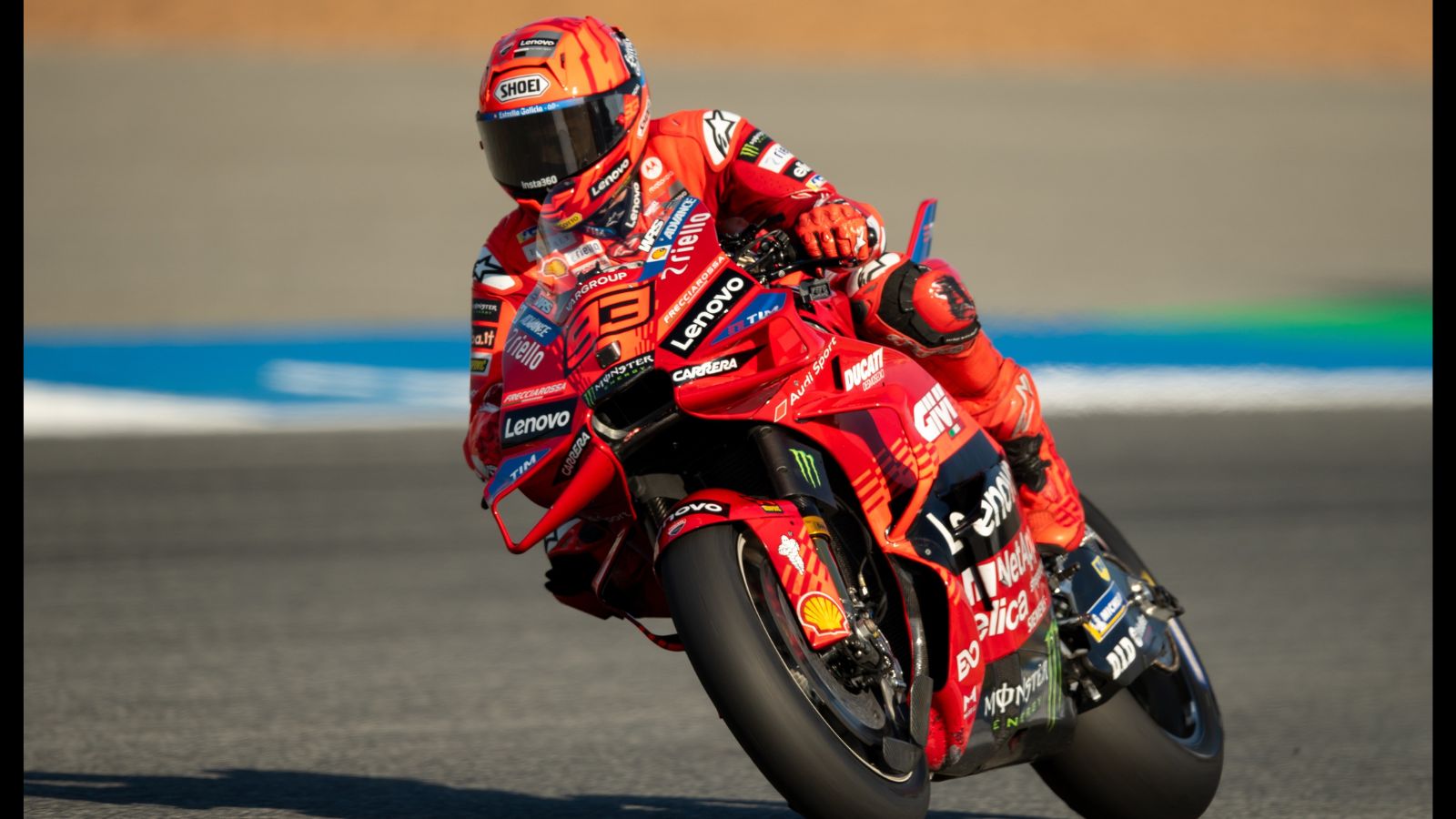
The 2025 MotoGP season has already delivered its fair share of drama, but few moments have sparked as much debate as Marc Marquez’s performance in the Thailand Grand Prix. The eight time world champion, now on a factory Ducati, put on a masterclass in racecraft only to fade late in the race. Was Marquez toying with the competition, showing he still holds the psychological upper hand? Or was his drop off in pace genuinely due to tire pressure issues, as he claimed post race?
The Master of Mind Games
Marc Marquez has never been shy about playing the long game. Throughout his career, he has built a reputation for pushing riders to their limits, forcing them into mistakes, and sometimes even appearing to hold back only to strike when it matters most. His ability to manage a race is second to none, and his strategic approach is often as entertaining as his aggressive riding style.
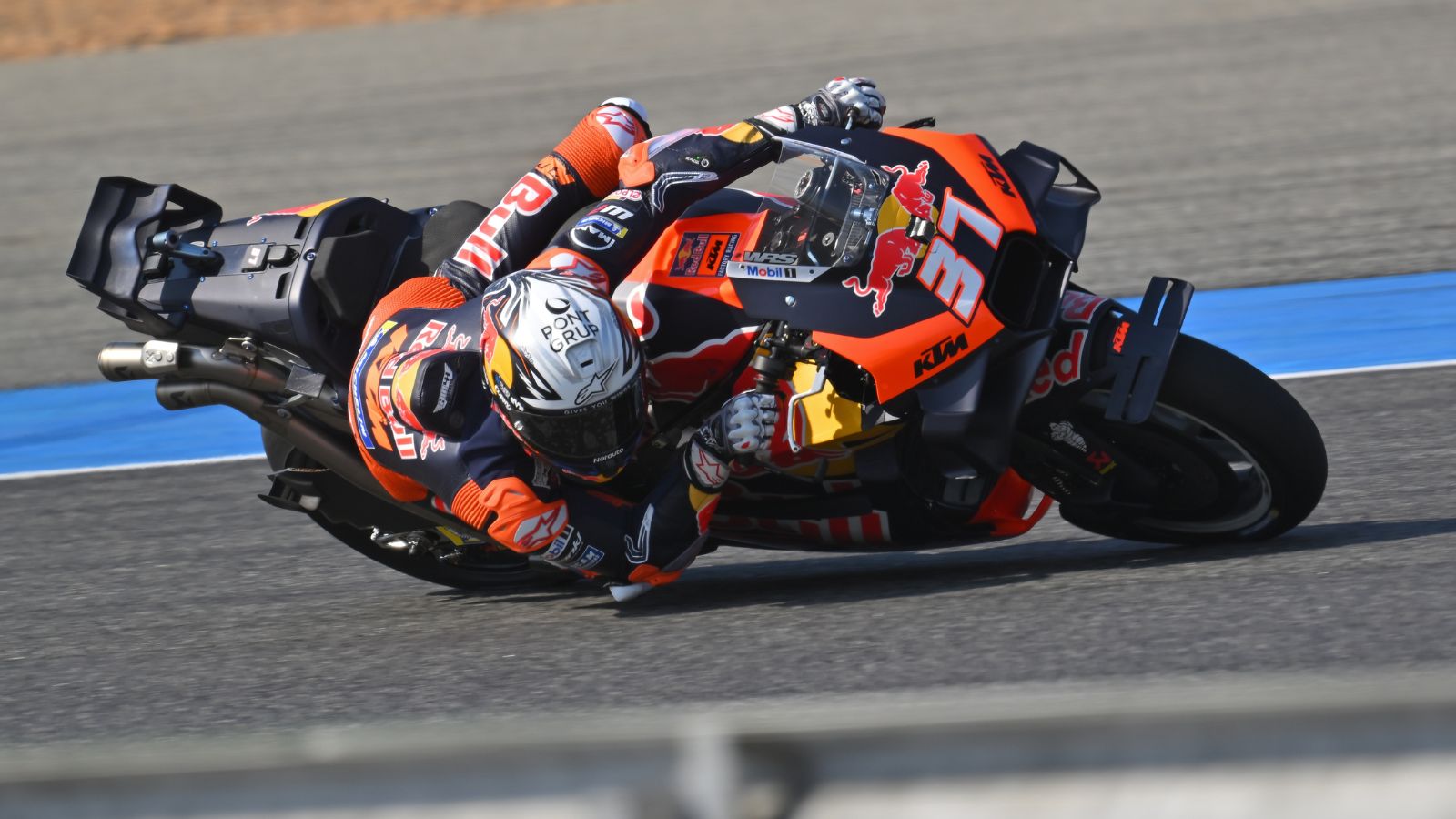
During the Thailand GP, Marquez initially looked like he had everything under control. His pace was electric in the early laps, dicing with Francesco Bagnaia and Jorge Martin, seemingly setting himself up for a late race attack. He made decisive overtakes, applied pressure on the leaders, and looked comfortable on his new machine. But then, something changed his pace dropped, his lines became less precise, and he ultimately slipped down the order.
This isn’t the first time Marquez has played psychological games with his competitors. He has been known to disrupt rivals’ rhythm, shadow their every move in qualifying, and create the illusion of vulnerability only to unleash his full potential when it matters. Was this another instance of him playing the long game, or did he genuinely struggle with his bike’s performance?
Tire Pressure: A Convenient Excuse or a Genuine Problem?
After the race, Marquez was quick to point to a front tire pressure issue, stating that he lost grip and couldn’t push as hard as he wanted. Ducati engineers later confirmed that his pressure readings were higher than expected, which affected handling and braking stability. Given how crucial front end feel is to Marquez’s riding style, even a small deviation in tire performance could have had a significant impact on his ability to control the race.
In MotoGP, tire pressure is a delicate balancing act. If it’s too low, the tire lacks stability, making the bike unpredictable under heavy braking. If it’s too high, grip deteriorates rapidly, especially in the heat of Thailand, where track temperatures soar. With aggressive slipstreaming and close racing, front tire pressures can skyrocket, making it difficult to maintain precision in braking zones. Marquez, known for his late braking heroics, would have struggled significantly if the front tire wasn’t behaving as expected.
Several factors could have contributed to this issue. His extended time in the slipstream of Bagnaia and Martin could have increased front tire temperatures, causing the pressure to rise beyond optimal levels. Additionally, Ducati’s factory team had an aggressive tire strategy for the race, and if Marquez’s setup wasn’t dialed in perfectly, the issue could have worsened as the laps ticked by.
Why the Doubt?
Skepticism arises because Marquez is a master at shaping the narrative. Over the years, he has often downplayed his true speed in practice sessions, shadowed riders during qualifying, and even staged mid race “rest” periods before unleashing a late race charge. Could his comments about tire pressure be another layer of psychological warfare?
There’s also the fact that other Ducati riders didn’t seem to suffer from the same issue. Bagnaia, Martin, and Enea Bastianini all managed their pace effectively, suggesting that Ducati’s setup was strong. If the factory setup was identical, why did Marquez struggle more than his teammates? Could it be that he was experimenting with a different race strategy, testing the limits of his tire wear to gather data for future races? Or was he simply lulling his rivals into a false sense of security?
There’s another layer to this debate Marquez thrives under pressure. He is known for making comebacks, defying the odds, and shocking his competitors when they least expect it. Could his comments be setting the stage for a dramatic return to form in the next race, where he silences the doubters and proves he’s still at his peak?
The Bigger Picture: A Statement of Intent?
Regardless of whether the tire pressure issue was exaggerated or real, Marquez’s performance in Thailand sent a clear message he is fully integrated into Ducati’s system and will be a title contender. His ability to run at the front immediately in his first few races with the Desmosedici shows just how quickly he has adapted to his new machine.
If he was indeed managing the race for strategic reasons, it suggests he’s looking at the long game, ensuring that he doesn’t peak too early in the season. He may be taking calculated risks, experimenting with different tire strategies, and positioning himself for a stronger push as the championship unfolds. If the tire pressure was genuinely a problem, then his rivals should be worried, because it means he had the speed to fight for victory but was simply held back by circumstances.
Furthermore, this raises questions about how Ducati will manage team dynamics. With Bagnaia already established as the team’s leader and Martin looking to stake his claim, Marquez’s presence only intensifies the battle within the factory garage. If he was indeed holding back in Thailand, it could have been a strategic move to avoid showing his full hand too early in the season.
Final Thoughts: A Warning Shot or a Misstep?
Whether Marquez was playing with his rivals or genuinely struggling with his front tire, the outcome remains the same he has reinserted himself into the title conversation. His racecraft, combined with Ducati’s dominant machine, makes him one of the most dangerous threats on the grid.
Thailand may not have been the victory many expected, but it was a statement race. If this was just a preview of what’s to come, then we are in for a season filled with mind games, last lap duels, and classic Marquez moments. He is known for playing the long game, and this could just be the beginning of an intricate psychological battle with his rivals.
One thing is for certain: whether you love him or hate him, Marquez knows how to keep the entire MotoGP world talking. And in a sport where confidence, strategy, and mental warfare are just as important as outright speed, that could be his biggest weapon yet. The next few rounds will tell us whether Thailand was a minor setback or the opening act of another Marquez masterclass.