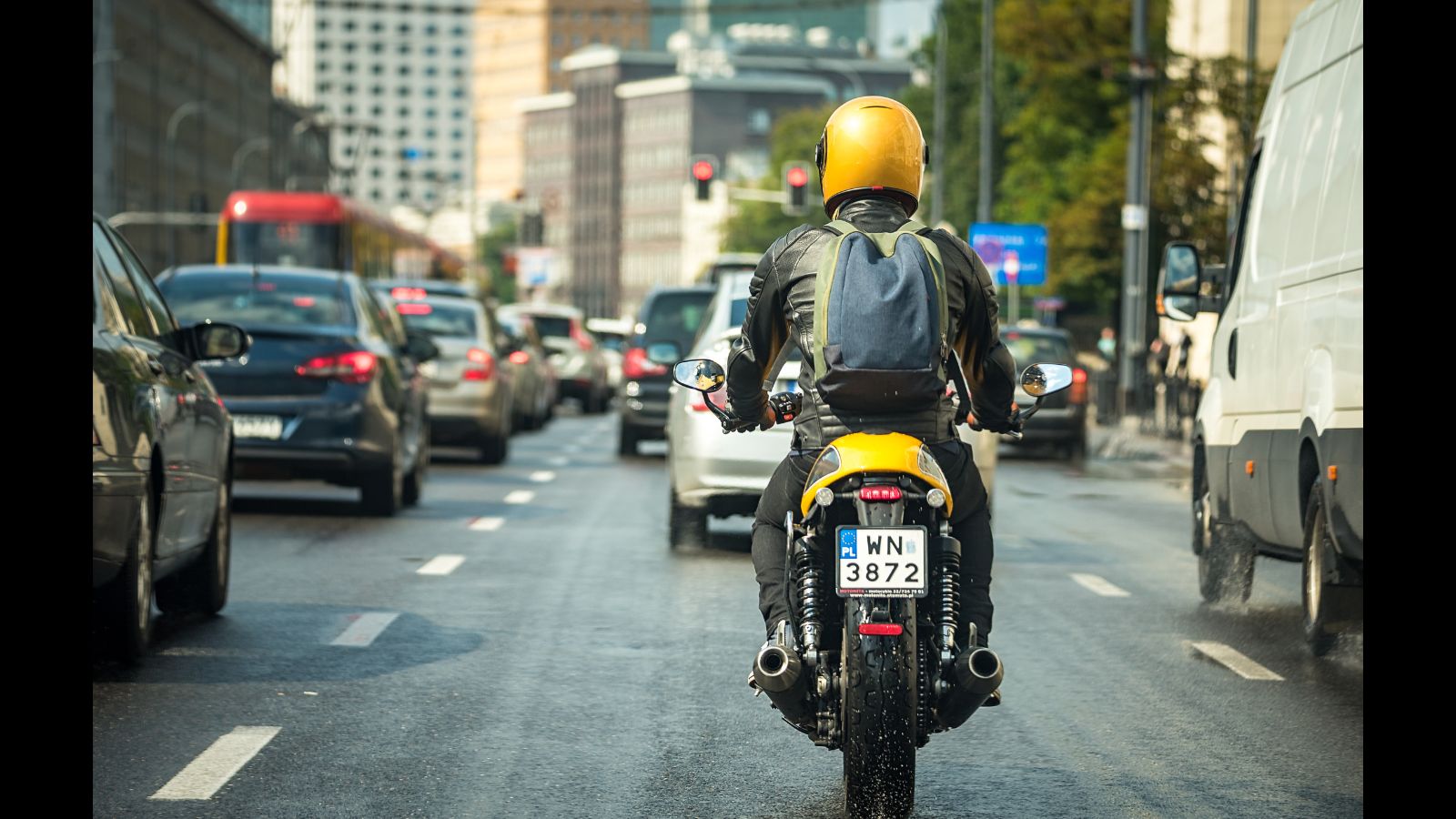
There’s something uniquely satisfying about gliding between lanes of gridlocked traffic on a motorcycle. The wind flows past, the world becomes a moving maze of stationary cars, and while frustrated drivers sit motionless, you continue making progress. It’s a sense of freedom only motorcyclists understand.
Lane splitting isn’t just about saving time—it offers real benefits for riders and traffic as a whole. It reduces commute times significantly, minimizes the risk of rear end collisions, and helps keep air cooled engines from overheating in standstill traffic. Additionally, by allowing motorcycles to filter through congestion, it eases the overall traffic burden for everyone on the road. In areas where it’s permitted, I’ve personally shaved nearly half the time off my commute while keeping myself safer in the process.
The Legal Landscape: Where You Can Split and Where You Can’t
California is the only U.S. state where lane splitting is fully legal, officially recognized in 2017 after decades of common practice. Utah has taken a step in this direction by legalizing “lane filtering,” which allows motorcyclists to move between stationary vehicles at intersections but not at higher speeds.
Most states still prohibit lane splitting, and penalties can be severe. In places like Texas, New York, and Connecticut, riders caught splitting lanes can face fines of up to $200 or even reckless driving charges. Some states categorize violations under unsafe lane changes, adding points to a rider’s license. Before hitting the road in a different state, it’s crucial to check local regulations to avoid unexpected penalties.
Is Lane Splitting Safe? The Numbers Say Yes
Despite misconceptions, lane splitting—when done correctly—isn’t as dangerous as many believe. A UC Berkeley study found that while 17% of motorcycle collisions involved lane splitting riders, those riders actually suffered fewer serious injuries than motorcyclists who remained in their lanes.
Lane splitters experienced:
- Fewer head injuries (9% vs. 17%)
- Fewer torso injuries (19% vs. 29%)
- Fewer extremity injuries (60% vs. 66%)
- Similar rates of neck injuries
So why do lane splitters tend to fare better? The study found they are more likely to wear full face helmets, ride sober, and stay fully engaged with their surroundings—habits that reduce crash severity and improve overall road awareness.
The Speed Sweet Spot for Safe Lane Splitting
Data shows a clear safety threshold: the key is keeping the speed difference between the motorcycle and surrounding traffic under 15 mph. When lane splitters exceed traffic speed by more than 15 mph, the risk of collisions rises dramatically.
The safest scenario occurs when traffic is moving at less than 50 mph, with riders filtering through at slightly higher speeds. This aligns with peak lane splitting hours—morning and evening rush hour—when stop and go traffic makes standard riding more hazardous due to unpredictable braking and sudden lane changes.
Where Lane Splitting Becomes Risky
Not all lane splitting situations are equal. These high risk conditions significantly increase danger:
- Blind spots – Drivers may not see you approaching, leading to sudden lane changes in your path.
- Unsignaled lane changes – Many drivers shift lanes without signaling, creating unpredictable obstacles.
- High speed environments – Traffic moving above 50 mph makes lane splitting less safe due to reduced reaction time.
- Heavy congestion – Stop and go traffic with sudden lane shifts can be chaotic and dangerous.
- Distracted drivers – Phone use, GPS adjustments, and other distractions make drivers less likely to notice motorcycles.
The worst case scenario combines multiple risks: fast moving traffic with frequent lane changes and drivers paying more attention to their devices than the road. I’ve had enough close calls in these conditions to know when it’s better to simply wait.
Mastering Lane Splitting: How to Do It Safely
If lane splitting is legal where you ride, these guidelines can help keep you safe:
- Keep your speed differential under 15 mph – Avoid excessive speed differences that reduce reaction time.
- Stay below 50 mph – Lane splitting is safest when traffic is slow moving or stopped.
- Wear high visibility gear and use headlights – Making yourself seen reduces the risk of a driver cutting into your path.
- Constantly scan for turn signals, wheels turning, and driver head movements – Anticipating vehicle behavior keeps you ahead of potential dangers.
- Cover your brakes – Always be ready to stop or swerve at a moment’s notice.
- Avoid splitting between large vehicles – Trucks and buses have massive blind spots and leave little room for error.
Even in California, where it’s fully legal, riders bear the responsibility of executing lane splitting safely. Just because the law allows it doesn’t mean every situation is appropriate.
Lane Splitting Etiquette: Respect Goes a Long Way
Lane splitting is a privilege, not a right. When done responsibly, it helps improve public perception of motorcyclists, but reckless behavior does the opposite. Following these unwritten rules makes a difference:
- Don’t force your way through tight spaces – If it looks too narrow, it probably is.
- Signal when moving back into a standard lane – Let drivers know your intentions.
- Give a quick wave to courteous drivers – A little gratitude goes a long way.
- Maintain a reasonable pace – Zipping through at excessive speeds makes lane splitting look reckless to other road users.
- Avoid excessive revving – Loud pipes don’t always save lives; sometimes they just annoy drivers.
A little courtesy goes a long way. When riders treat lane splitting as a shared responsibility, it fosters better awareness and acceptance among motorists.
The Future of Lane Splitting in the U.S.
As more states examine California’s lane splitting model and the safety data supporting it, gradual changes may follow. Utah’s lane filtering law is a promising first step, demonstrating that with proper education, these practices can be introduced successfully.
Organizations like the American Motorcyclist Association continue to push for lane splitting legalization, citing both safety benefits and traffic congestion relief. Their efforts focus on educating both riders and drivers on how to share the road responsibly.
The freedom of two wheels takes on a new meaning when you can legally and safely navigate through gridlock. Whether you’re in California enjoying this privilege now or hoping your state follows suit, understanding the nuances of lane splitting makes you a better rider. The more informed we are, the safer and more respected motorcyclists become on the road.