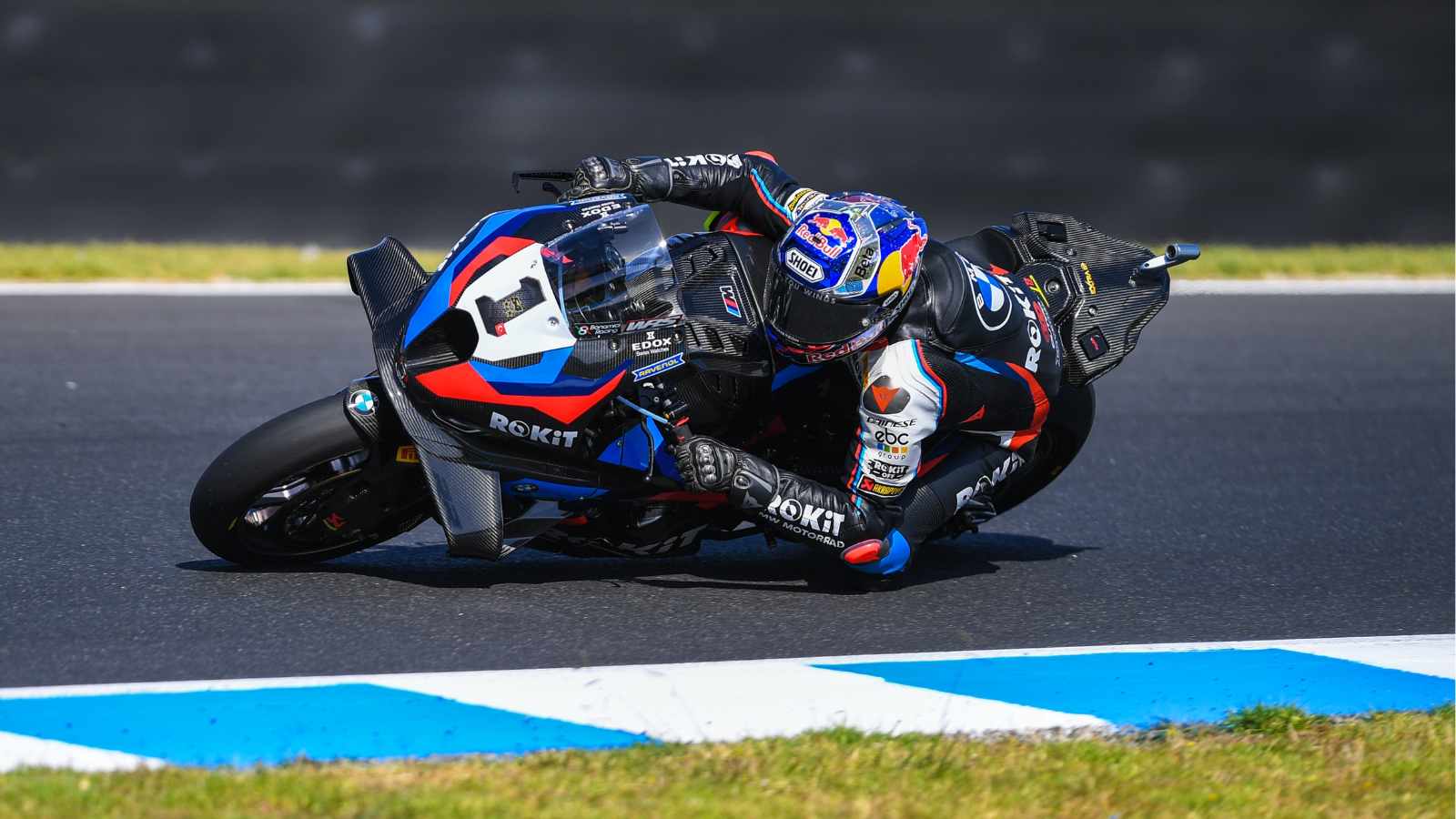
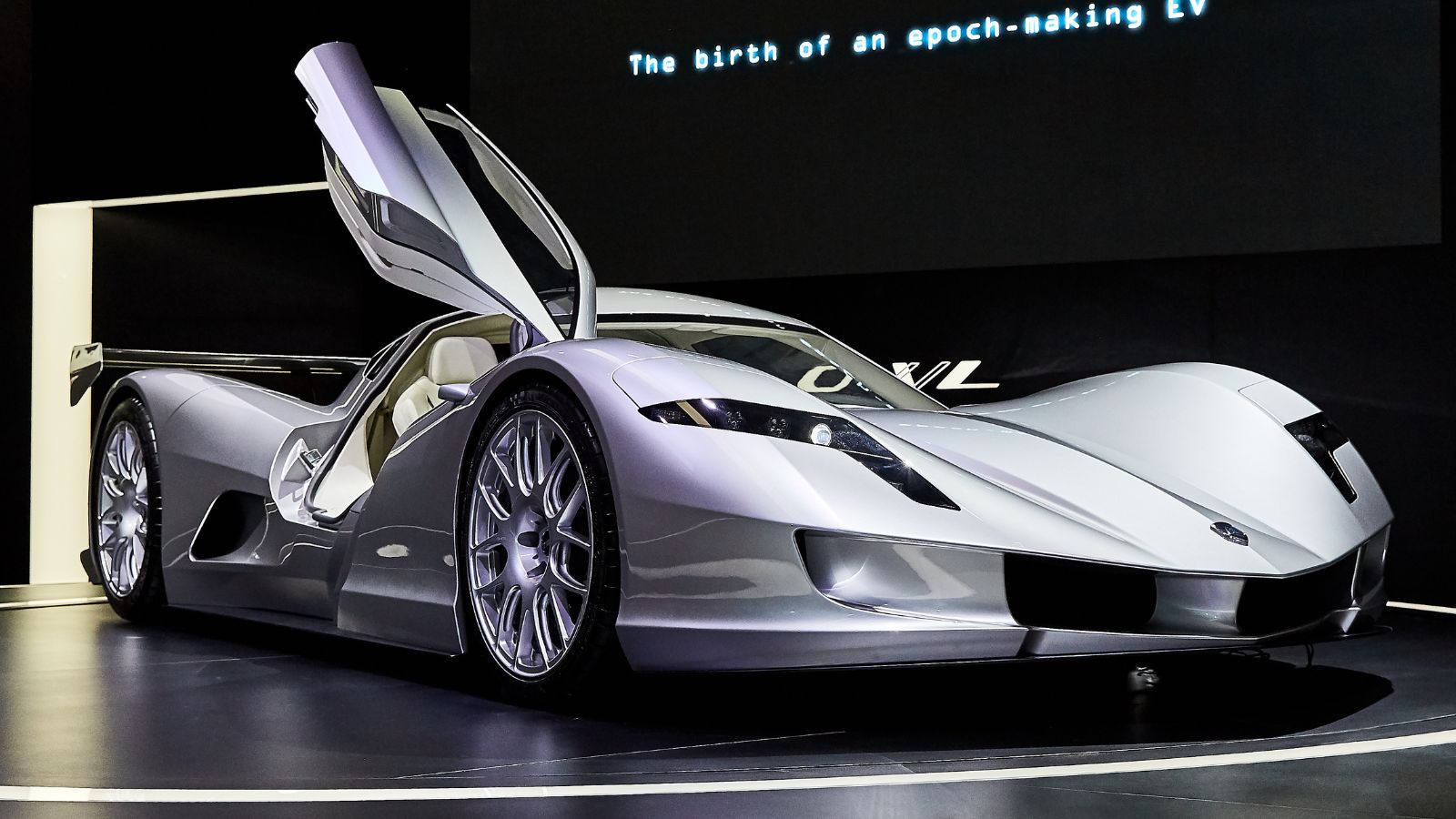
Hypercars represent the pinnacle of automotive engineering. They are the ultimate expression of speed, performance, design, and exclusivity. With stratospheric horsepower figures, aerospace grade materials, and technology derived from motorsport and even aviation, these cars push the boundaries of what is technically possible. Vehicles like the Bugatti Chiron, Koenigsegg Jesko, and Aston Martin Valkyrie are not merely transport—they are mobile art installations, tributes to human ingenuity and ambition.
The Hypercar Concept: Art on Four Wheels
These machines are often built in extremely limited numbers and command multimillion-dollar price tags. They are breathtaking to look at, spectacular to hear, and sensational to experience. Their acceleration, handling, and aerodynamic efficiency are in a league of their own. But despite their excellence, they have become increasingly irrelevant in the context of modern roads and real-world driving.
Irrelevance in the Real World
The problem lies not in the hypercars themselves, but in the environment they are expected to operate in. Today’s roads are not the Autobahns of yesteryear or the open highways of the 1960s. They are crowded, narrow, full of potholes, and burdened with increasingly stringent speed limits and traffic enforcement measures.
You simply cannot use even a fraction of a hypercar’s capability on public roads. Accelerating to 100 mph in under five seconds means nothing if you have to slam on the brakes for traffic 200 feet later. They are profiling tools when parked and largely ornamental when moving. They attract attention but rarely reward their driver beyond the occasional squirt of throttle between stoplights.
The Practical Limitations
Hypercars come with a host of physical limitations that make them impractical for daily or even spirited driving:
- Too Low to the Ground: Speed bumps, driveways, and road imperfections are constant threats. Many hypercars scrape even with the utmost caution.
- Poor Visibility: Sleek designs and racing-style cockpits often sacrifice all-around visibility, making city driving stressful.
- Difficult Entry and Exit: With dihedral doors, deep seats, and ultra-low roofs, getting in and out becomes a gymnastic exercise.
- Unforgiving Ride Quality: Built for precision and speed, these cars rarely offer comfort. The suspension is often stiff and uncompromising.
- High Operating Costs: Maintenance is costly, fuel consumption is enormous, and insurance is sky-high. These cars can become financial black holes.
Tracks: The Only True Playground
Even if you manage to take your hypercar to a track, the story doesn’t always improve. Only the longest, widest, and smoothest circuits can accommodate their performance envelope. Smaller tracks become claustrophobic, where the car can never stretch its legs. Furthermore, without the skills to match the car, most owners never come close to exploring the vehicle’s true potential.
Most hypercars are engineered to deliver extreme performance at extreme speeds, which are rarely encountered outside of race conditions. And let’s face it most of these vehicles are bought as investments or status symbols, not for lapping circuits on weekends.
The Case for the GT Car
Manufacturers like Ferrari, Lamborghini, McLaren, Porsche, Aston Martin, and Maserati all make hypercars, but they also produce grand tourers and sports cars that are far more suitable for the real world. Cars like the Ferrari Roma, Porsche 911 Turbo S, Aston Martin DB12, and Maserati GranTurismo offer real-world usability without sacrificing performance.
These GT and high-performance sports cars provide a better balance of comfort, performance, and usability. They can be driven daily, enjoyed on mountain roads, and taken to the occasional track day. They offer a sense of occasion without the drawbacks of extreme proportions and limitations.
Conclusion: Amazing but Out of Place
Hypercars are incredible machines. They represent the best of what the automotive world has to offer in terms of speed, design, and innovation. But in the context of today’s congested, regulated, and restricted roads, they are largely irrelevant. Their capabilities are wasted in traffic, their designs compromised by practicality, and their potential seldom realized.
For those who want the thrill of performance with usability, high-end GT cars and well-balanced sports cars offer a far more rewarding ownership experience. The hypercar may be the king of the automotive world, but it is a king without a kingdom.