Motocross is one of the most exhilarating forms of motorcycle riding, blending speed, skill, and physical endurance in a way that few other sports can match. However, riding a motocross bike is vastly different from riding on the street or even casual off road riding. Proper body position, hand and arm placement, and knowing when to stand or sit are crucial to controlling the bike and riding efficiently. If you’re just starting out, here’s a guide to help you build a strong foundation.
Body Position: The Key to Control
The way you position your body on a motocross bike can make all the difference in how well you handle the terrain. Unlike street riding, where you primarily stay seated, motocross riding requires constant adjustments depending on the terrain, speed, and obstacles ahead.
- Neutral Position: Your default stance should have your elbows up, knees gripping the bike, and head positioned over the handlebars. Keeping your weight centered over the pegs helps you maintain balance and control.
- Weight Distribution: You’ll frequently shift your weight forward when accelerating to keep the front wheel planted and shift it backward when braking to maintain stability.
- Active Riding: Motocross isn’t about being static; you’re constantly adjusting your body position to adapt to bumps, jumps, and turns.
Standing vs. Sitting: When to Do What
Knowing when to stand or sit is one of the most important skills for a beginner motocross rider. Each position has a specific purpose, and getting comfortable with the transitions will improve your control and endurance.
- Standing Position: In motocross, you’ll spend a lot of time standing on the foot pegs. This allows you to use your legs as suspension, absorb bumps, and maintain balance over rough terrain. When standing:
- Keep knees slightly bent and grip the bike with your legs.
- Your back should be straight, and your head should remain forward over the handlebars.
- Stay light on your feet and avoid locking your knees.
- This position is ideal for absorbing impact over jumps, whoops, and rough sections of the track.
- Sitting Position: Sitting is used primarily in corners, where lower body control is needed to maneuver the bike effectively.
- Slide slightly forward on the seat, closer to the tank, to maintain front end traction.
- Keep your inside foot extended forward, hovering above the ground, to act as a stabilizer.
- Lean the bike into the turn while keeping your upper body centered and your outside elbow up for control.
Hand and Arm Position: Keeping Control at All Times
Your hands and arms play a vital role in controlling the bike, especially in unpredictable motocross conditions. Proper positioning reduces fatigue and ensures smoother handling.
- Elbows Up: This is a fundamental rule in motocross. Keeping your elbows up helps you control the bike better in corners, gives you more leverage on the handlebars, and improves your reaction time when dealing with unexpected terrain.
- Light Grip on the Bars: Many beginners make the mistake of gripping the handlebars too tightly. Instead, maintain a firm but relaxed grip to reduce arm fatigue and allow the bike’s natural movement.
- Finger Placement on the Levers: Keep one or two fingers covering the clutch and brake levers at all times for quick responses. This will help you manage power delivery and braking smoothly.
Braking and Throttle Control
Smooth braking and throttle control are essential skills to master in motocross riding. A common mistake beginners make is grabbing too much front brake or rolling on too much throttle too quickly.
- Front Brake: Use the front brake with controlled pressure, especially when entering corners. Too much braking force too quickly can cause the front wheel to wash out.
- Rear Brake: The rear brake helps control speed and stability, particularly in corners or when descending hills.
- Throttle Control: Smooth throttle application is key to maintaining traction. Avoid snapping the throttle open, as it can cause loss of control, especially on slippery or uneven terrain.
Jumping: Getting Comfortable with Air Time
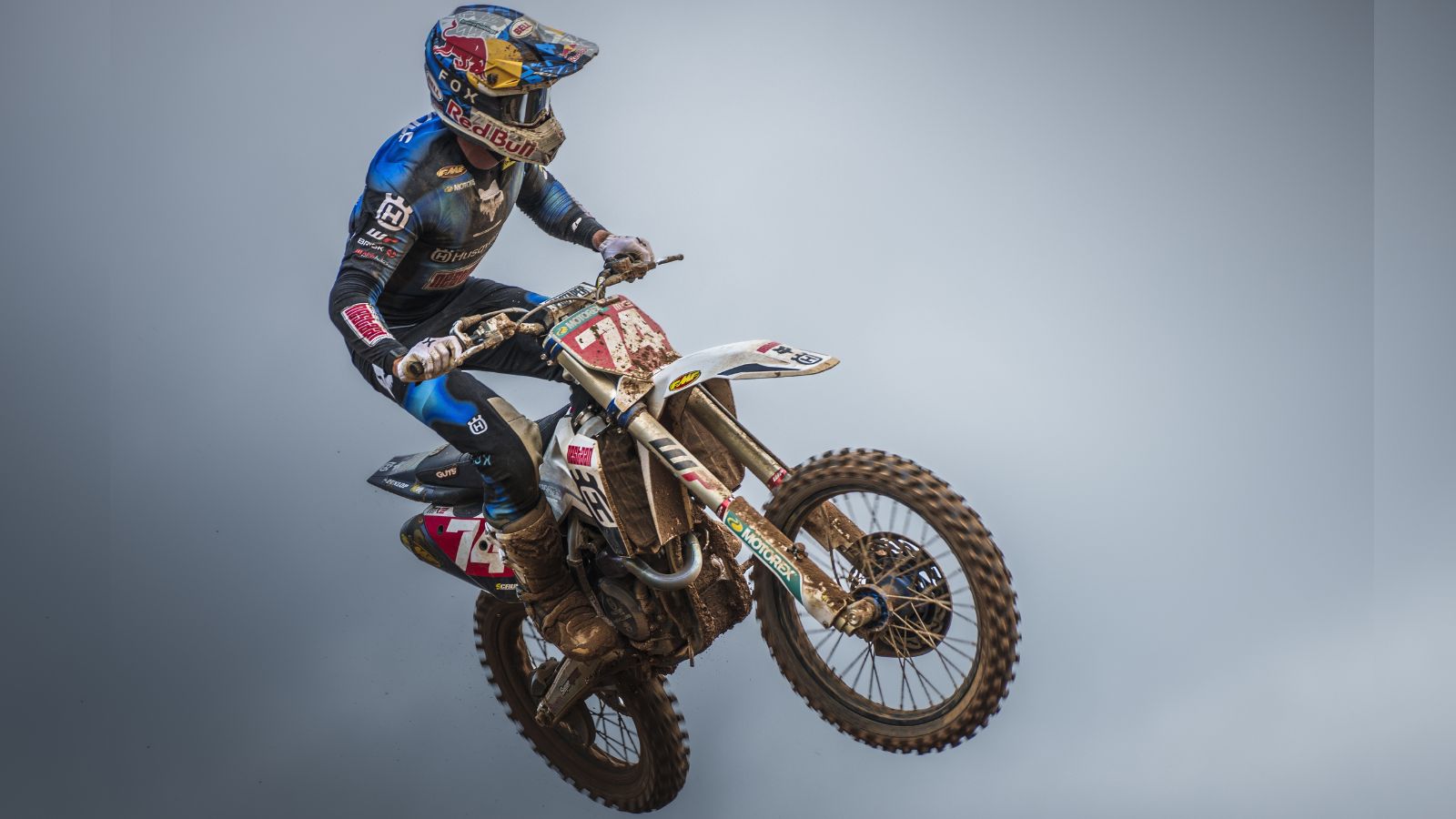
One of the most exciting aspects of motocross is hitting jumps, but doing it incorrectly can result in crashes. Start small and work on technique before attempting bigger jumps.
- Approach jumps with steady throttle control.
- Stay centered on the bike, with knees slightly bent to absorb impact.
- Maintain light pressure on the foot pegs to control balance in the air.
- On landing, absorb the impact with your legs rather than relying solely on the bike’s suspension.
Building Confidence and Progressing
Learning to ride a motocross bike takes time, patience, and practice. Here are some final tips for getting comfortable on the track:
- Ride in different conditions: Getting used to mud, sand, and hard packed dirt will improve your overall skills.
- Practice drills: Work on cornering, braking, and jumping technique in a controlled environment.
- Stay relaxed: Tensing up makes controlling the bike harder and leads to fatigue faster.
- Watch experienced riders: Seeing how pros handle corners, jumps, and braking zones can teach you a lot about proper technique.
Final Thoughts
Motocross is one of the most demanding yet rewarding forms of motorcycle riding. Mastering body position, knowing when to sit and stand, and keeping proper hand and arm placement will set the foundation for improving your skills. The more comfortable you become with the fundamentals, the faster and more confidently you’ll progress. So gear up, get out there, and enjoy the ride!