MotoGP has always been about raw speed, rider skill, and mechanical precision, but the modern era has introduced a new variable: aerodynamics. Once a minor consideration, aero has now become a battleground between manufacturers, with Ducati leading the charge. The result is faster lap times, greater stability, and, ironically, more difficult overtaking. While aerodynamics has revolutionized the sport, it has also sparked controversy among riders and purists who question its place in a prototype racing series.
Ducati’s Aero Arms Race and the Industry Response
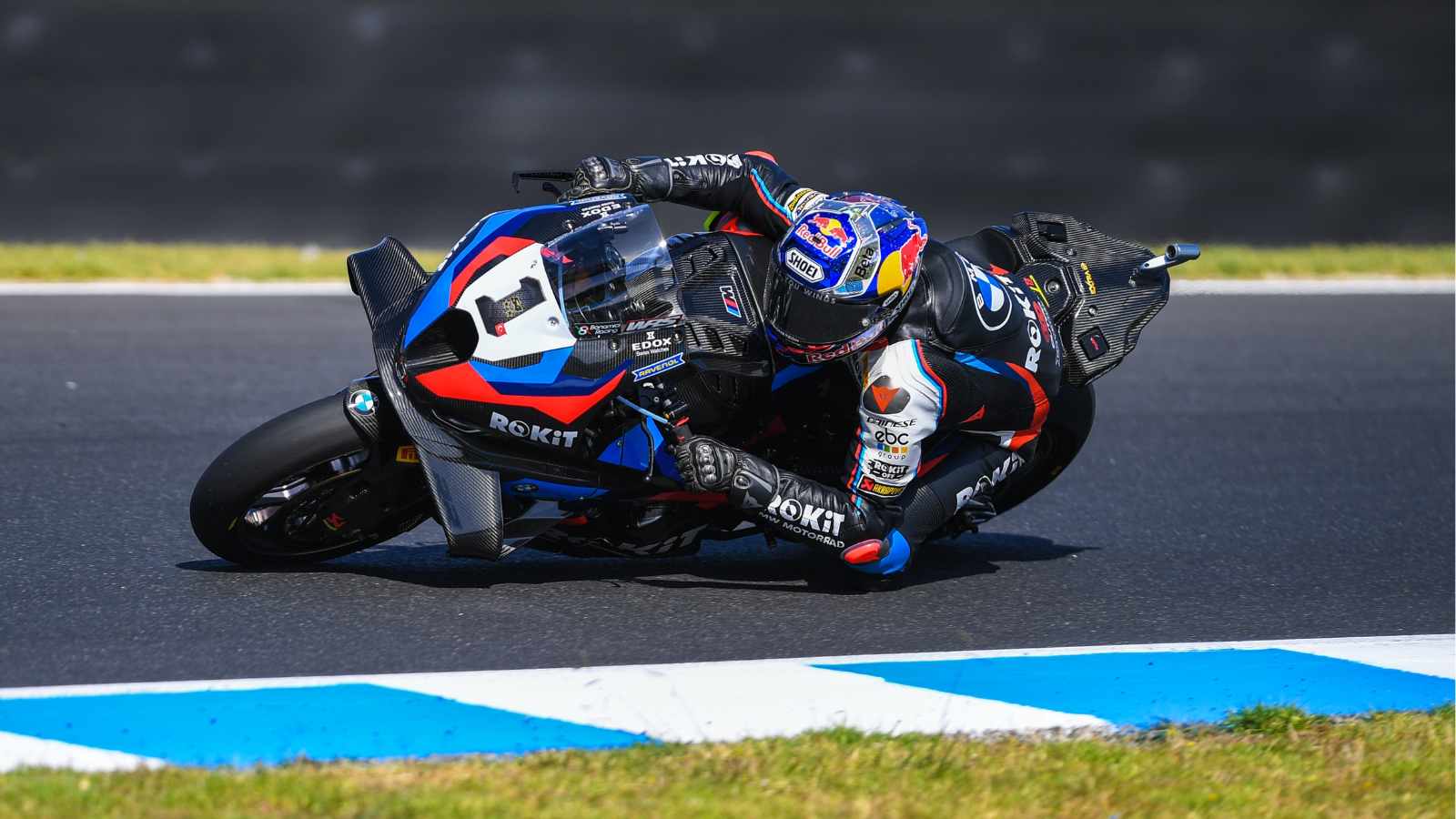
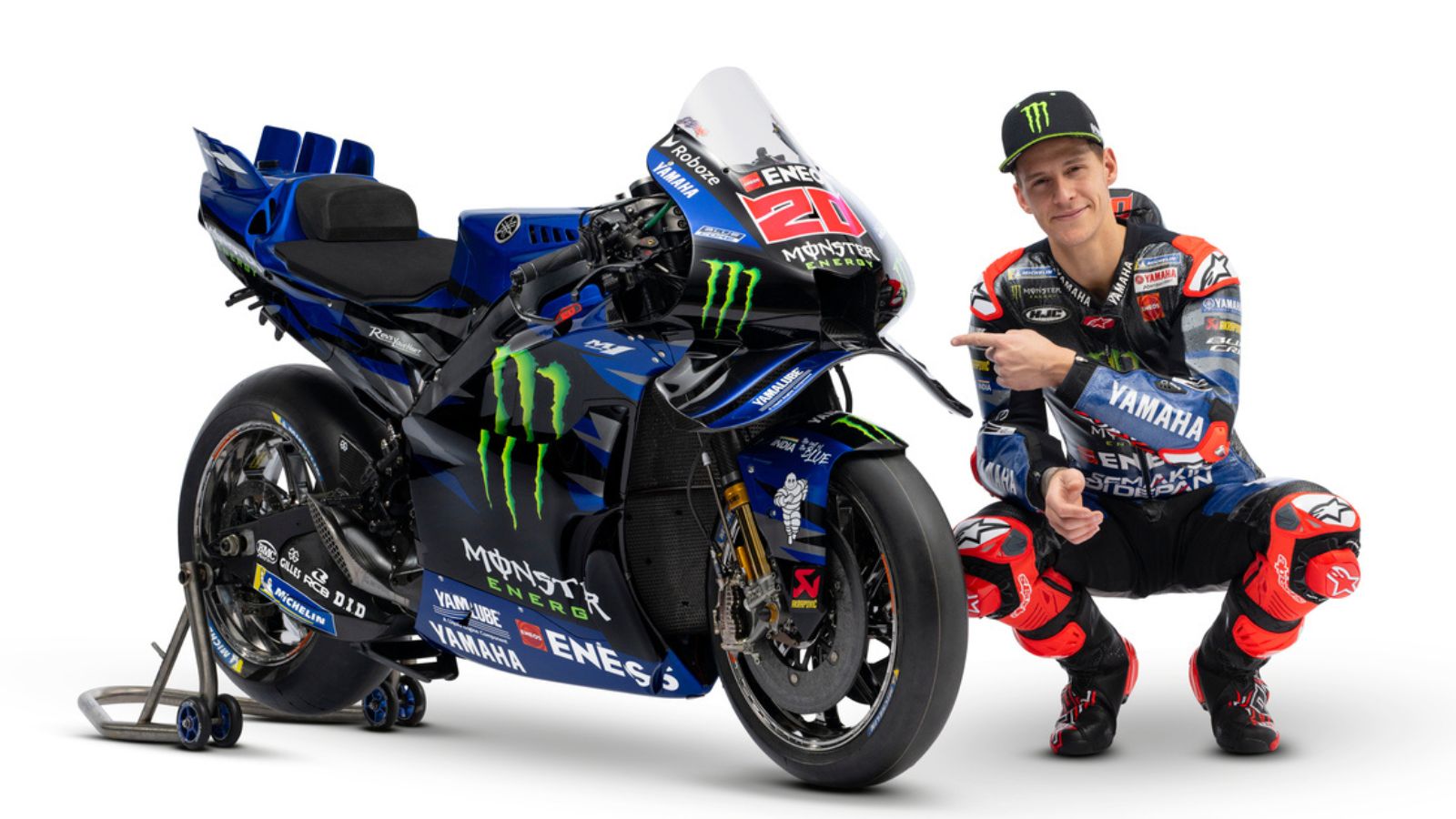
For years, MotoGP was dominated by mechanical improvements better engines, chassis refinements, and electronic aids. That changed when Ducati pioneered the use of winglets, downforce generating devices that transformed bike behavior. Other manufacturers were forced to follow suit, leading to an arms race that continues today. Now, every top team is investing in increasingly intricate aerodynamic packages, from downforce fairings to ground effect side pods, all in the pursuit of an edge over the competition.
How Aero Works: The Science Behind the Speed
Aerodynamics in MotoGP serves multiple purposes. The primary function is to create downforce, pressing the front wheel into the ground to reduce wheelies under acceleration and improve braking stability. Without these winglets, modern MotoGP bikes would struggle to keep the front end planted, especially with over 300 horsepower being unleashed down straights.
Additionally, aerodynamics help manage airflow around the bike, reducing drag while improving high speed stability. The fairing designs are now sculpted not just for aesthetics but for their ability to channel air in ways that aid performance. However, this added stability comes at a cost: reduced maneuverability. The very devices that make bikes faster in a straight line also make them harder to flick from side to side, which is where the controversy begins.
Faster, Yet Harder to Race: The Impact on Overtaking
While aerodynamics has improved outright speed, it has also changed the nature of racing itself. Overtaking has become significantly more challenging. The increased downforce helps with cornering, but it also means that once a rider is behind another bike, they are met with turbulent air, reducing grip and making it harder to execute passes. The days of last lap lunges and aggressive late braking moves have become rarer, as riders struggle with the effects of dirty air.
Ducati, the leader in this development, has mastered the art of using aerodynamics to maintain top speed and protect position. This has led to a shift in race strategy—rather than relying solely on rider skill, teams are increasingly dependent on aero advantages to dictate race pace.
The Road Bike Dilemma: Why Aero Development is Pointless for Street Riding
MotoGP is a prototype series, meaning the technology should ideally trickle down to road going motorcycles. While developments in electronics, engines, and suspension have made their way to production bikes, aerodynamics is another story. Unlike in Formula 1, where aero advancements eventually shape supercar design, the benefits of winglets and downforce fairings in MotoGP have little relevance to real world motorcycles.
For everyday riders, downforce is unnecessary. MotoGP bikes hit speeds well beyond anything achievable on public roads, meaning these developments are unlikely to influence the next generation of sportbikes in any meaningful way. This has led many to question whether the relentless aero battle aligns with the true spirit of MotoGP.
Rider Backlash: Why Most MotoGP Racers Hate Aero
While manufacturers continue pushing aero innovations, most riders are against it. Many argue that aerodynamics have taken away the purity of MotoGP, making racing more about engineering than raw talent. The increased difficulty in overtaking means fewer wheel to wheel battles, reducing the spectacle for fans.
Pundits echo these sentiments, pointing out that while MotoGP should evolve, it should do so in a way that enhances the racing, not hinders it. Many believe that banning or at least limiting aero development would bring back closer competition and emphasize rider skill over engineering prowess.
Final Thoughts: Has Aero Improved or Ruined MotoGP?
The modern aero era of MotoGP has undeniably changed the sport. Speeds are higher, bikes are more stable, and manufacturers are engaged in a technological arms race. However, this evolution has also made overtaking harder, increased rider frustration, and introduced an element that doesn’t translate to real world motorcycling. While MotoGP remains one of the most thrilling motorsports on the planet, the question remains: is the sport better with aerodynamics, or has it lost a part of what made it great?