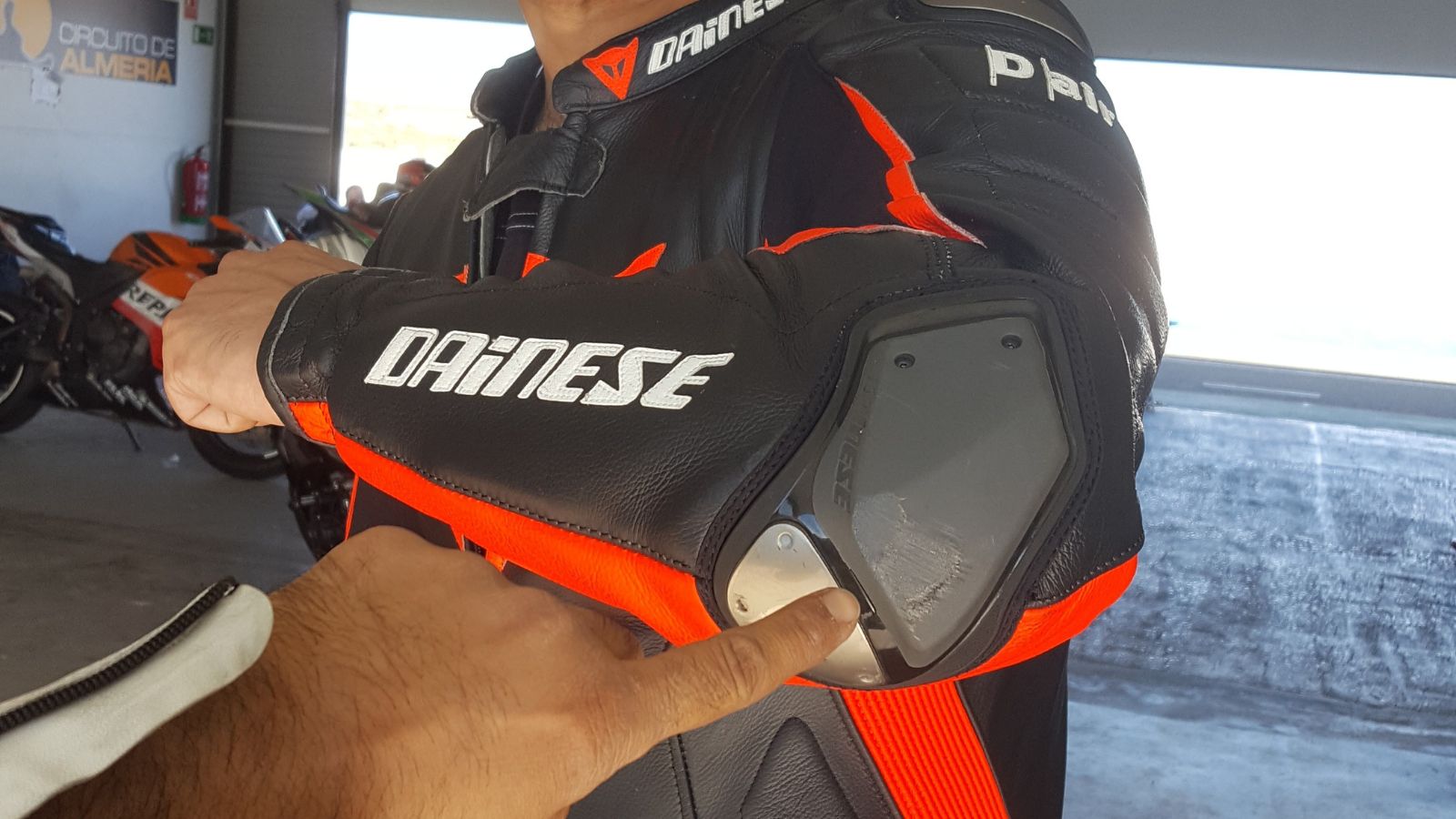
There is something unforgettable about the first time you drag your knee on a racetrack. But getting my elbow down too? That was a different kind of moment. It was not just about speed. It was about understanding how to ride the motorcycle the way professionals do. It was the result of practice, patience, and finally unlocking proper body position.
Why Riders Get a Knee Down
When you watch professional racers take corners, one thing stands out. They stick their knee out and skim it across the tarmac. This is not for show. It is a vital tool that helps gauge lean angle and manage corner entry. The knee becomes a physical reference point, telling the rider how far the bike is over. It gives feedback on grip and road surface. More importantly, it provides confidence.
As my pace increased through doing motorcycle track day events, I began to understand this feeling. I could feel the tire grip through my thigh and butt (no other way to explain it, sorry). I was not forcing the contact. It happened because the rest of my body was finally doing what it should. Every lap became a learning moment. I became more relaxed in the corners, and the fear of pushing the lean angle further began to fade.
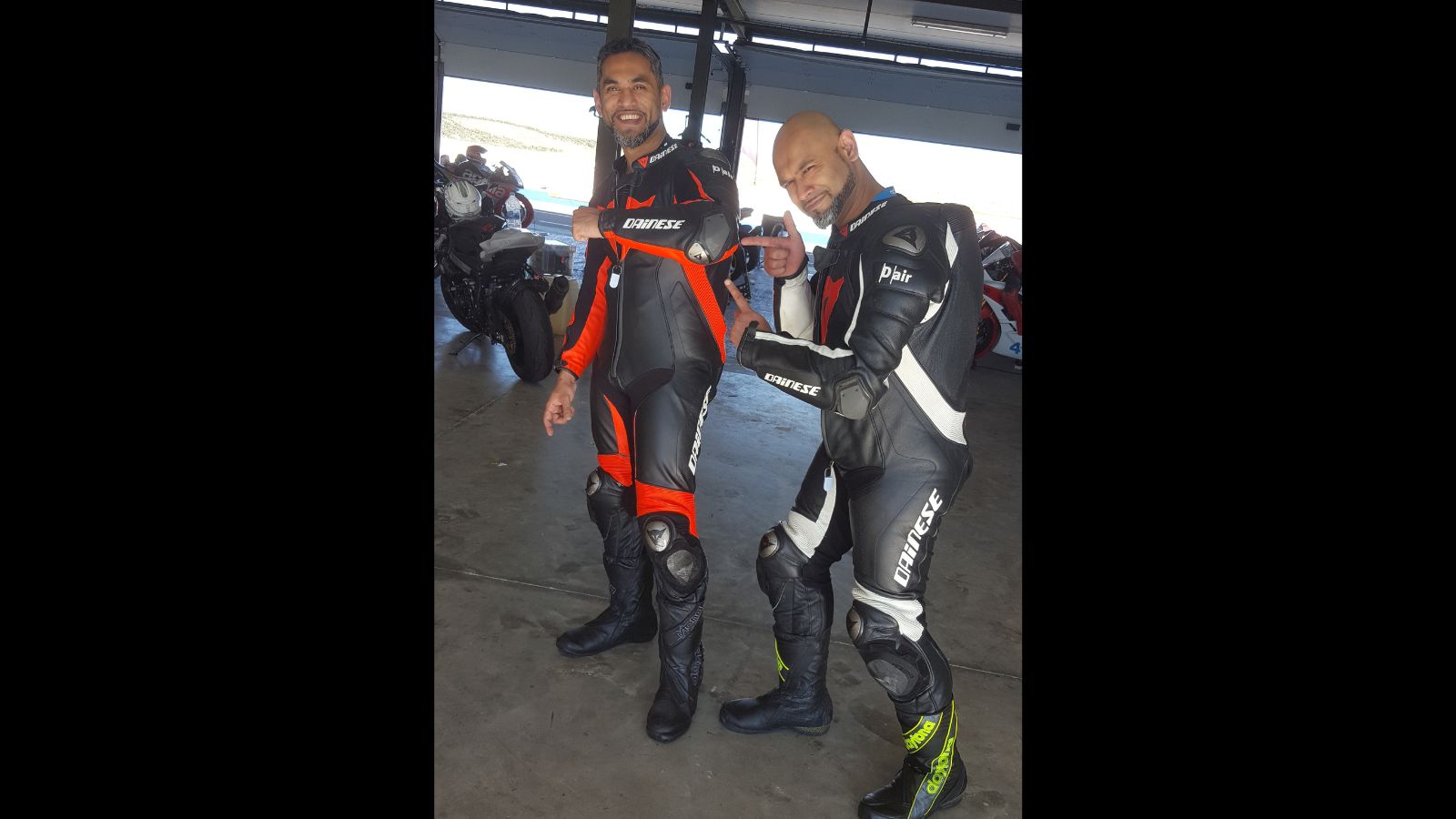
The Evolution of Riding Technique
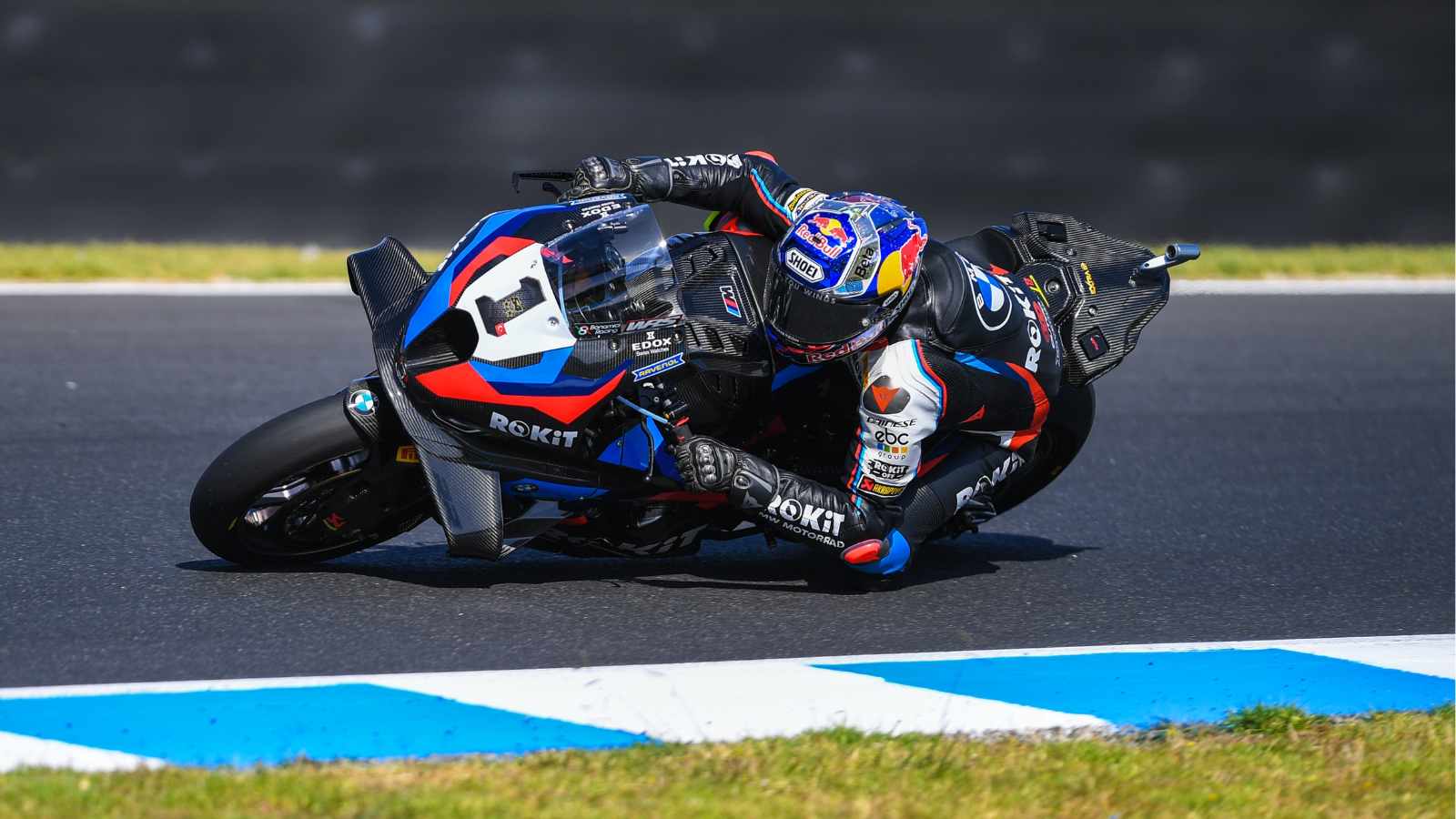
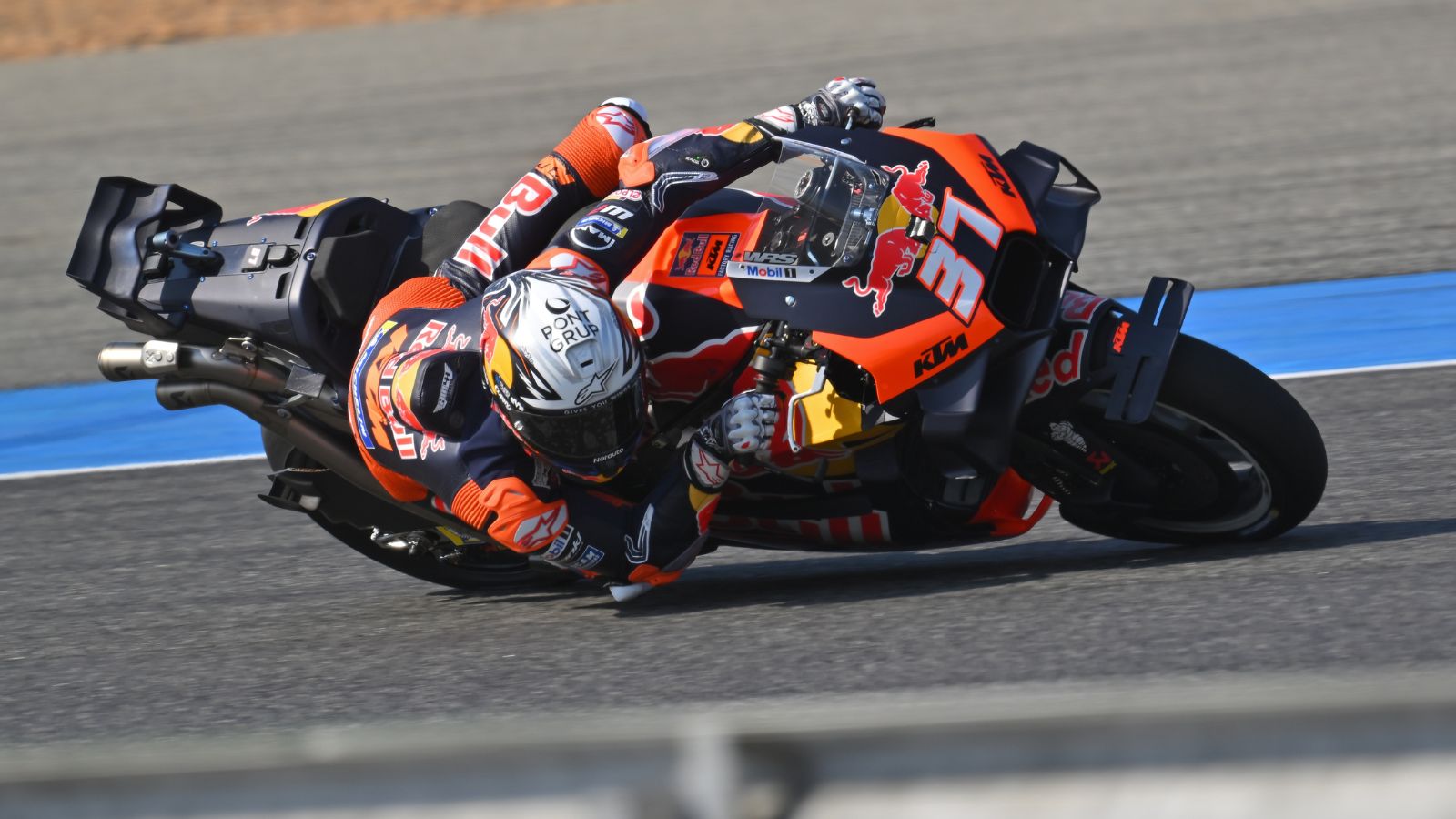
Modern racing techniques have evolved dramatically. Riders like Marc Marquez introduced a more extreme form of body positioning. The goal is to keep the motorcycle as upright as possible through the corner. By moving more of the rider’s mass off the bike and to the inside of the turn, the tire contact patch stays larger and safer. This allows for faster and more stable cornering.
This style also brings physical advantages. With less lean angle needed for the same cornering speed, there is more available grip. This reduces the chances of sliding out and allows riders to push harder with more confidence. It is a physical style that demands fitness and flexibility, but it rewards the effort with faster and safer lap times.
It was through mimicking this style that I started to see progress. Watching onboards, studying slow motion corner entries, and analyzing photos of my own riding showed exactly where I needed to improve. The more I observed, the more I realized how many details matter in executing the technique correctly.
Mastering the Mechanics of Body Position
Getting my elbow down was not about going faster. It was about being more deliberate with my body.
Head Position: The head must be low and turned fully toward the apex of the corner. I found that looking further through the turn made my body naturally follow. Your head should be lower than the mirror and ahead of your inside hand. This helps shift weight toward the inside of the bike and gives a better view through the turn.
Chest to Tank: Dropping your chest to the tank helps lower your center of gravity. It also brings the rest of your torso into alignment with your lean. The more you compact your upper body, the easier it becomes to move the bike underneath you. It also reduces strain on your arms and shoulders during extended sessions.
Locking Your Knee and Thigh into the Tank: Once your chest is low, locking your outside thigh into the tank completes the connection between rider and bike. This anchoring effect stabilizes the lower body and lets your upper body rotate independently through the corner. It stops you from sliding around and gives the confidence to move the bike with more finesse. With your outside leg firm against the tank and your inner thigh gripping tight, you create a solid platform. This connection lets you relax your arms and maintain stability even through high speed turns or mid corner corrections.
Hips Off the Seat: This is a big one. I worked on having half of my backside off the inside of the seat. It feels exaggerated at first, but it helps reposition your center of mass to the inside. This reduces lean angle for a given corner speed. Over time, this position became more natural and helped improve corner exit speed.
Throttle Hand Grip: I used a screwdriver grip with my inside arm. Rather than twisting with my wrist, I kept my arm loose and rotated the throttle using my whole forearm. This reduced tension and helped smooth out my throttle control. A relaxed grip also meant fewer mistakes under braking and smoother inputs mid corner.
Knee and Elbow Position: Pointing both outward helps lead the body into the corner. The knee acts as a gauge. The elbow follows naturally as your upper body drops. I never thought it would touch, but once everything else lined up, it did. When it finally happened, it felt effortless and in complete control.
Foot Positioning: This is often overlooked. I kept the ball of my small toe on the inside peg, with my foot fully tucked and angled in. My outside foot gripped the bike frame using the ball of my foot, which anchored my lower body. The bike responded better when my legs were doing more of the work. This stability translated to improved control through chicanes and long corners alike.
Why Rearsets Matter
Getting low means needing more ground clearance. Stock footrests limit how far you can lean before something touches down. After scraping the pegs a few too many times, I installed rearsets. This changed everything. With higher and slightly rearward pegs, I had more space to lean the bike and more confidence in tight corners. It was not just a comfort upgrade. It was a performance tool.
Rearsets also allowed me to fine tune the position of my controls. Brake and gear lever placement became more intuitive, and I could keep my feet out of the way. With better ergonomics, I lasted longer on track without fatigue and stayed more focused on each braking zone and corner entry.
Elbow Down is Thrilling
Dragging my elbow on a track day was a definite achievement and proof that my technical riding technique had reached another level. It was the result of learning how to ride the bike with control and precision. It started with getting a knee down, then mastering body position. Once the fundamentals clicked, the pace came naturally.
The takeaway? Fast riding is not about forcing the bike. It is about positioning yourself so the motorcycle works with you, not against you. Elbow down was a milestone, but the real achievement was learning how to ride better. And that is what track days are all about.
Now, every time I ride, I go back to these fundamentals. They give me the confidence to push harder and the tools to stay safe while doing it. Riding fast is not magic. It is repeatable, it is mechanical, and it is rewarding when you get it right.