Few cars have ever felt as different as the Citroën DS and its more exotic sibling, the SM. When the DS arrived in 1955, it did not just look futuristic, it drove like nothing else on the road. The SM, launched in 1970, took that radical philosophy and blended it with grand touring performance. Together, they represent one of the boldest chapters in automotive history. Strange, innovative, and deeply clever, these cars rewrote the rules of comfort, control, and design in ways that still feel ahead of their time.
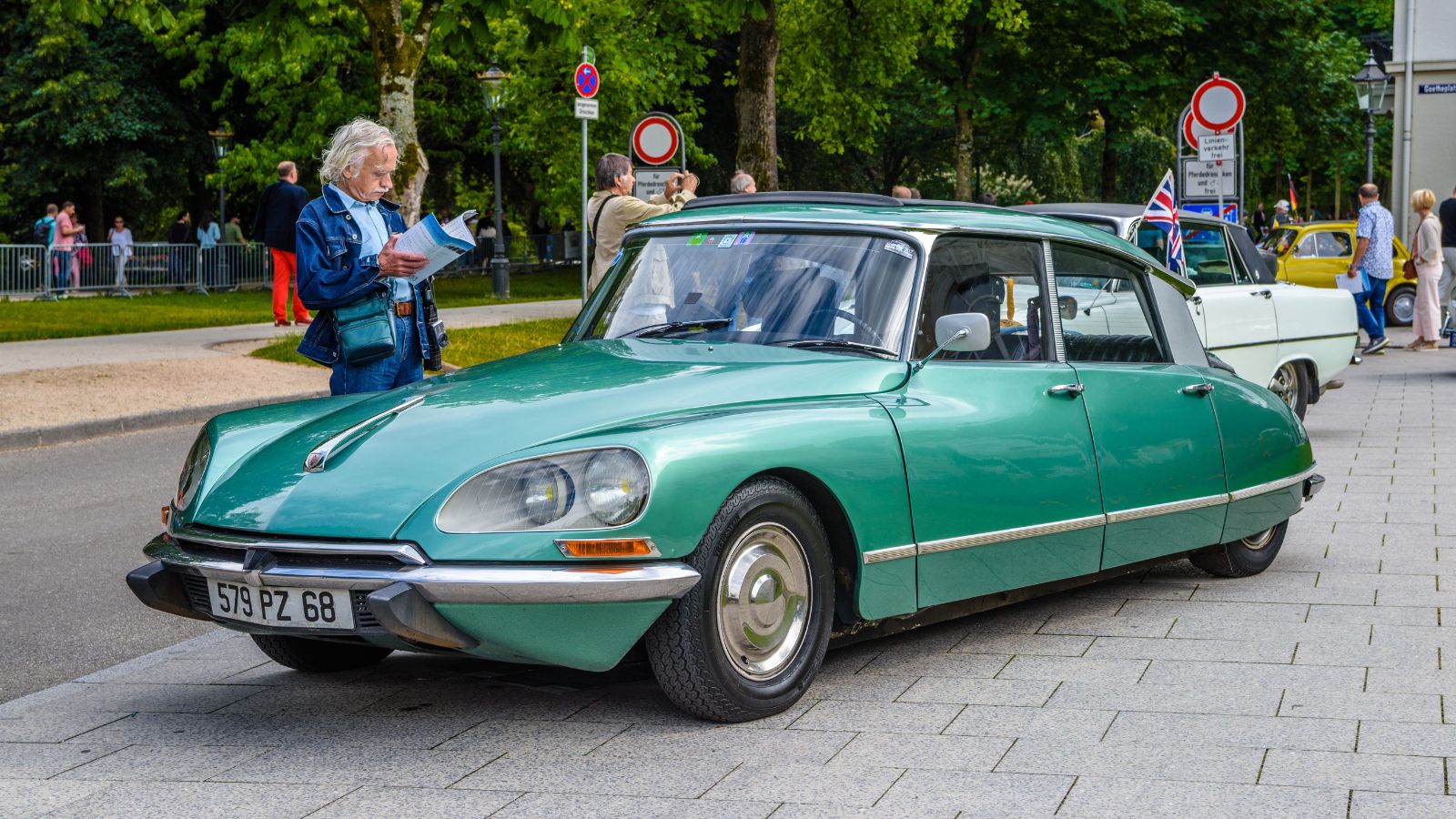
The DS: A Shock to the System
When the DS debuted at the Paris Motor Show, it caused an immediate sensation. Its low, sculpted shape looked like something from another era, and crowds reportedly lined up just to see it.
But the real revolution was hidden beneath the surface. The DS introduced hydropneumatic suspension, replacing conventional springs with a system of pressurized fluid and gas. The result was a ride that seemed to float over imperfections. Rough roads that would unsettle other cars simply disappeared beneath it.
Hydropneumatic Suspension Explained
The suspension system was not just about comfort. It was part of a fully integrated hydraulic network that controlled suspension height, braking, and steering assistance.
The car could raise itself for rough terrain or lower for better aerodynamics at speed. It maintained a level stance regardless of load, meaning passengers and luggage had little effect on how it drove. This adaptability gave the DS a composed, almost surreal stability in all conditions.
Braking and Control Like Nothing Else
The braking system followed the same philosophy. Instead of a traditional mechanical pedal feel, it used hydraulic pressure to deliver immediate stopping power.
Drivers often describe it as sensitive at first, but incredibly precise once understood. The car resisted dive under braking, keeping its composure even during sudden stops. It felt controlled in a way that was unfamiliar at the time.
The SM: When Performance Met Innovation
The SM took everything that made the DS special and added serious performance credentials. Under the hood sat a Maserati derived V6, bringing genuine grand touring pace to the platform.
It was capable of sustained high speed cruising, something the DS was never designed for. Yet it retained the same smooth ride and composed handling, making it a unique blend of comfort and performance.
DIRAVI Steering: A Radical Idea
Perhaps the most unusual feature of the SM was its DIRAVI steering system. Fully powered and speed sensitive, it offered almost no mechanical feedback in the traditional sense.
At low speeds, it was light and effortless. At higher speeds, it firmed up to provide stability. The self centering action meant the wheel returned to straight ahead automatically. It felt alien at first, but incredibly relaxing once you adapted to it.
Aerodynamics Ahead of Its Time
Both cars were shaped with efficiency in mind long before aerodynamics became a standard focus in design.
The DS featured smooth lines and a low profile that reduced drag and improved stability. The SM pushed this further with a longer, sleeker body that looked fast even when standing still. These shapes were not just for show, they contributed directly to how the cars performed.
Interior Innovation and Comfort
Inside, the DS and SM continued to challenge convention. The DS featured a single spoke steering wheel designed for safety, along with a minimalist dashboard that focused on clarity.
The SM elevated this with more luxurious materials and a driver focused layout. Seating comfort was exceptional in both, with long distance journeys feeling effortless in a way few cars could match.
Built With a Different Philosophy
Citroën approached engineering with a willingness to ignore convention. Where others refined existing ideas, it started from scratch.
The DS and SM were not incremental improvements. They were complete rethinks of how a car should behave. That boldness is what makes them stand out even today.
Why the SM Stands Out Today
While the DS was revolutionary, the SM adds rarity and performance to the equation. It was produced in smaller numbers and aimed at a more exclusive audience.
The Maserati engine gives it a character that feels both refined and exotic. It is not just interesting, it is genuinely engaging to drive, even by modern standards.
Quirky, Complex, and Rewarding
Owning one of these cars is not straightforward. The hydraulic systems require understanding, and maintenance is more specialized than with conventional classics.
But for those willing to learn, the reward is immense. These cars offer an experience that feels completely different from anything else on the road.
Why They Matter More Than Ever
In an era where many cars share platforms and components, the DS and SM feel like outliers. They represent a time when manufacturers were willing to take risks in pursuit of something better.
Not just faster or more powerful, but fundamentally different in how they worked and how they felt.
The Enduring Appeal
The Citroën DS and SM remain desirable because they offer something modern cars rarely do. Individuality.
They are not perfect, and they were never meant to be. But they are bold, innovative, and unforgettable. For enthusiasts who value originality and engineering creativity, they remain some of the most fascinating cars ever built.