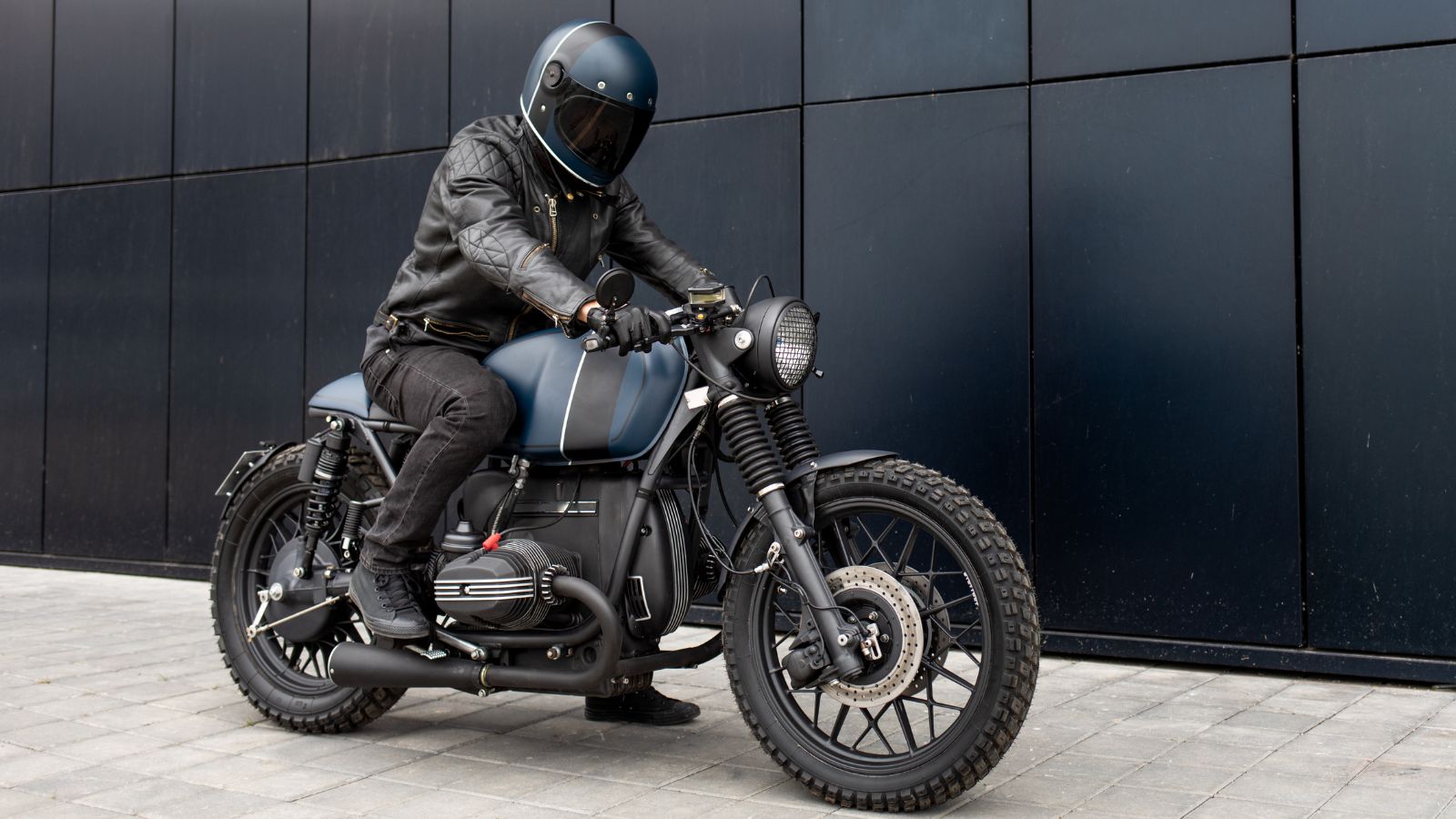
The café racer has long been the embodiment of raw, stripped down motorcycling a minimalist machine built for speed, style, and agility. Originally born out of the British rocker scene of the 1950s and 60s, café racers have evolved into one of the most beloved styles of custom motorcycles. For many builders, 1980s and 1990s bikes provide the perfect platform for a café racer project, blending classic looks with modern reliability. If you’re ready to transform a standard motorcycle into a lean, aggressive café racer, here’s everything you need to know.
Choosing the Right Donor Bike
A successful café racer build starts with the right base motorcycle. While vintage British bikes like Triumph Bonnevilles and Norton Commandos were the original café racers, 80s and 90s motorcycles offer a great balance of affordability, reliability, and performance. Some excellent donor bikes include:
- Honda CB750/CB900 (DOHC Models) – The “Universal Japanese Motorcycle” (UJM) design lends itself perfectly to a café racer transformation. These bikes have a strong aftermarket and plenty of performance potential.
- Yamaha XJ600/XJ900 – Solid air cooled four cylinder engines, relatively lightweight frames, and excellent parts availability.
- Suzuki GS550/GS750/GSX1100 – Sturdy, reliable, and great platforms for customization.
- Kawasaki Zephyr 750/1100 – A factory styled retro bike that can be easily modified into a café racer.
- BMW K75/K100 – While not a traditional choice, these bikes have gained popularity for their futuristic “flying brick” engines and unique frame designs.
Stripping It Down: The Core Café Racer Look
A café racer is all about simplicity, performance, and aggressive styling. That means shedding unnecessary weight and achieving a more streamlined profile. Here’s where to start:
- Ditch the Stock Bodywork – Remove bulky fenders, side covers, and excessive plastic fairings.
- Trim the Frame – Many café racer builders opt to shorten the rear subframe to create a sleek, minimalist tail section. Looping the rear end with a custom hoop gives the frame a finished look.
- Lose the Factory Seat – Stock seats are often too large and bulky. A proper café racer has a low profile, single seat setup with a bum stop for that authentic racing aesthetic.
The Essential Café Racer Ingredients
A proper café racer has key modifications that define the style and improve performance. Here are the essential elements:
1. Clip On Handlebars or Low Profile Bars
Traditional upright handlebars are replaced with clip ons or clubman bars to achieve a more aggressive riding position. This helps create the signature “tucked in” look of a café racer while also improving aerodynamics.
2. Rearset Footpegs
Stock foot controls are often too far forward for a café racer stance. Rearsets reposition the footpegs and controls toward the rear, allowing the rider to assume a sportier posture, similar to classic race bikes.
3. Slim Fuel Tank
A narrow, elongated fuel tank is one of the most defining elements of a café racer. Many builders opt for custom tanks, but some stock options (like those from older Honda CB models) already fit the style perfectly.
4. Lightweight Wheels & Tires
Reducing weight is a key goal, so swapping out heavy cast wheels for lighter spoked rims can improve handling. A good set of vintage inspired tires, such as Avon Roadriders or Firestone Deluxe Champions, enhances both performance and aesthetics.
5. Performance Exhaust System
A café racer should sound as good as it looks. Many builders choose a 2 into 1 or 4 into 1 exhaust system for improved performance and a raw, aggressive sound. Cone style mufflers or reverse megaphones complete the classic race bike look.
6. LED Lighting and Simplified Wiring
Most café racers feature a minimalist electrical system. Replacing the bulky factory headlight with a smaller LED unit cleans up the front end, while a compact LED taillight and turn signals keep the design sleek. Many builders also relocate the battery to a hidden tray under the seat for a cleaner look.
Tuning and Suspension Upgrades
With a café racer, performance is just as important as style. Tuning the suspension and engine ensures the bike isn’t just about looks—it needs to ride well, too.
- Forks – Rebuilding and tuning the front suspension makes a significant difference. Many builders opt for stiffer fork springs or upgrade to modern upside down forks for improved handling.
- Rear Shocks – A high quality set of adjustable shocks can transform the ride quality and give the bike a firmer, more responsive feel.
- Carburetor Jetting – If you’re running pod filters and an aftermarket exhaust, rejetting the carbs is essential to keep the engine running smoothly and avoid lean conditions.
- Brakes – Upgrading to stainless steel brake lines, modern calipers, and high performance pads can drastically improve stopping power.
The Final Touches: Paint and Aesthetics
A café racer isn’t complete without a stylish, period correct paint job and attention to detail.
- Classic Colors Traditional café racers often sport monochromatic schemes like gloss black, British racing green, or silver with pinstriping.
- Racer Numbers & Logos Many builders incorporate vintage racing numbers or subtle nods to their bike’s heritage.
- Polished or Brushed Metal Finishes Exposed metal surfaces, brushed aluminum tanks, and chrome accents give the bike an authentic vintage feel.
Why 80s and 90s Bikes Make Great Café Racers
While traditional café racers were built from 60s and 70s British motorcycles, 80s and 90s Japanese and European bikes offer distinct advantages:
- Reliability Older British bikes were notorious for their maintenance heavy engines. 80s and 90s bikes are far more reliable while still offering a vintage aesthetic.
- Affordability Finding a Honda CB750 or a Yamaha XJ900 from the 80s is far cheaper than a vintage Norton or BSA.
- Performance Potential These bikes often have more horsepower and better suspension geometry, making them more fun to ride on modern roads.
Building a Café Racer is a Rewarding Project
Transforming an 80s or 90s motorcycle into a café racer isn’t just about creating a good looking machine it’s about building something uniquely yours. Stripping down a bike, refining its performance, and making it a personal statement is an immensely satisfying process. Whether you’re a seasoned builder or a first time modifier, the café racer embodies the spirit of custom motorcycling where style meets performance in the purest form.