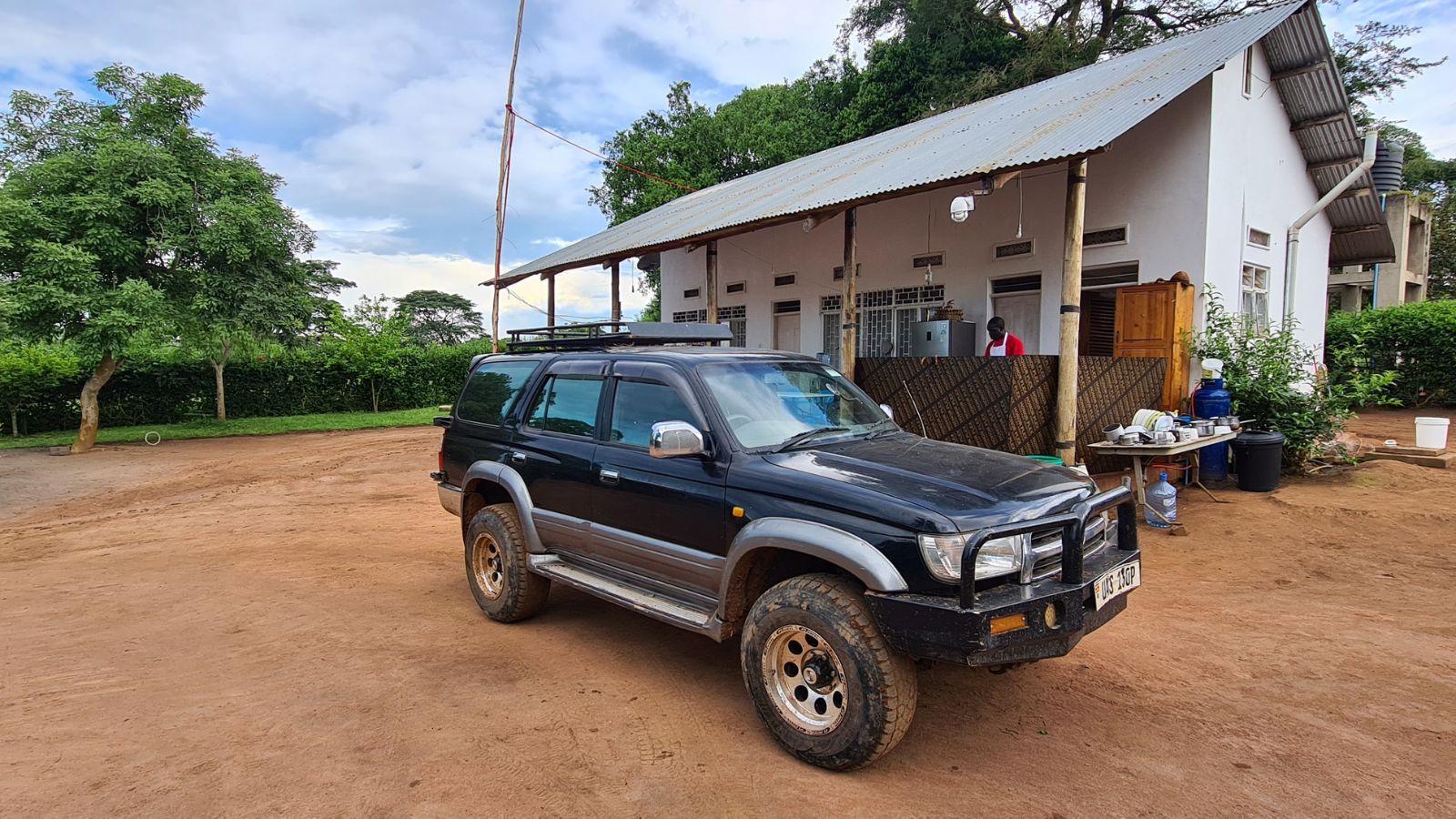
On a recent trip to Uganda, I stumbled across a weathered but unmistakably tough 1996 Toyota Surf. It was parked in the shade of a roadside tree, the red dust of the region baked into its paintwork, a visual badge of service. In a country where the terrain often dictates travel plans, the Surf has emerged as a silent hero. Reliable, agile, and supremely capable, this mid size SUV seems to fit the Ugandan landscape like it was purpose built for it.
A True All Terrain Performer
I began noticing more Surfs on the road, often loaded with supplies or ferrying people through the chaos of traffic or the solitude of dirt roads far beyond city limits. These were not showroom queens. These were working machines, navigating mud tracks, rocky inclines, and flooded fords with ease. The Surf’s four wheel drive system, combined with its torquey 3.0 liter turbo diesel engine, allowed it to punch above its weight class, often outperforming more modern but less durable SUVs.
The Right Tool for the Job
The 1996 Surf came with Toyota’s respected ladder frame chassis, a suspension setup that blends live axle dependability in the rear with independent front suspension, and a selectable 4WD system often paired with a low range gearbox. It’s not overly complex, but that’s its strength. With high ground clearance, durable underbody protection, and long travel suspension, it doesn’t just survive rural Uganda, it thrives in it.
Mobility Is More Than Convenience
In Uganda, mobility is more than comfort. It’s access to medicine, education, markets, and family. A vehicle that can deliver on rough, unpaved roads is essential. The Toyota Surf offers just that. Its relatively compact size means it can navigate narrow village paths, yet its cargo space and towing ability make it a real workhorse. Add to that an engine known for longevity, and you have a recipe for sustained usefulness.
Community Workhorse
While traveling through western Uganda, I followed a Surf that was clearly overburdened with sacks of grain, bundles of bananas, and half a dozen passengers. It didn’t flinch. In one village, I watched another help pull a stuck boda boda from a ditch, its low end torque and solid traction proving invaluable. These small but powerful acts repeated themselves everywhere I went.
City Status vs Rural Necessity
In modern cities across the globe, vehicles like the Toyota Surf have become more of a statement piece than a necessity. They are polished, modified, and often used as luxury items to project a rugged lifestyle, while rarely leaving the comfort of tarmac. In stark contrast, in the African environment, these same machines are not fashion accessories but essential tools of mobility. Their design, once tailored for durability and utility, finds true purpose here. Whether ferrying water drums, navigating washed out trails, or transporting people to medical care, these vehicles serve with real intent. They are not just practical, they are indispensable.
Why It Matters
The Toyota Surf’s ongoing presence in Uganda highlights an important point: not every vehicle needs to be the newest to be the best. In fact, in tough environments, simplicity, durability, and usability often trump cutting edge technology. The Surf is not just transportation, it’s liberation.
As we look at modern mobility solutions, it’s worth remembering that vehicles like the Surf, designed with a mechanical purity and built to last, remain essential. In Uganda, they are part of the social and economic fabric. And for me, the sight of that dusty 1996 model was more than nostalgia, it was admiration.
The Toyota Surf might not have the glamour of a luxury SUV, but in the heart of Africa, it has something far more valuable: relevance, resilience, and the respect of the people who rely on it every single day.