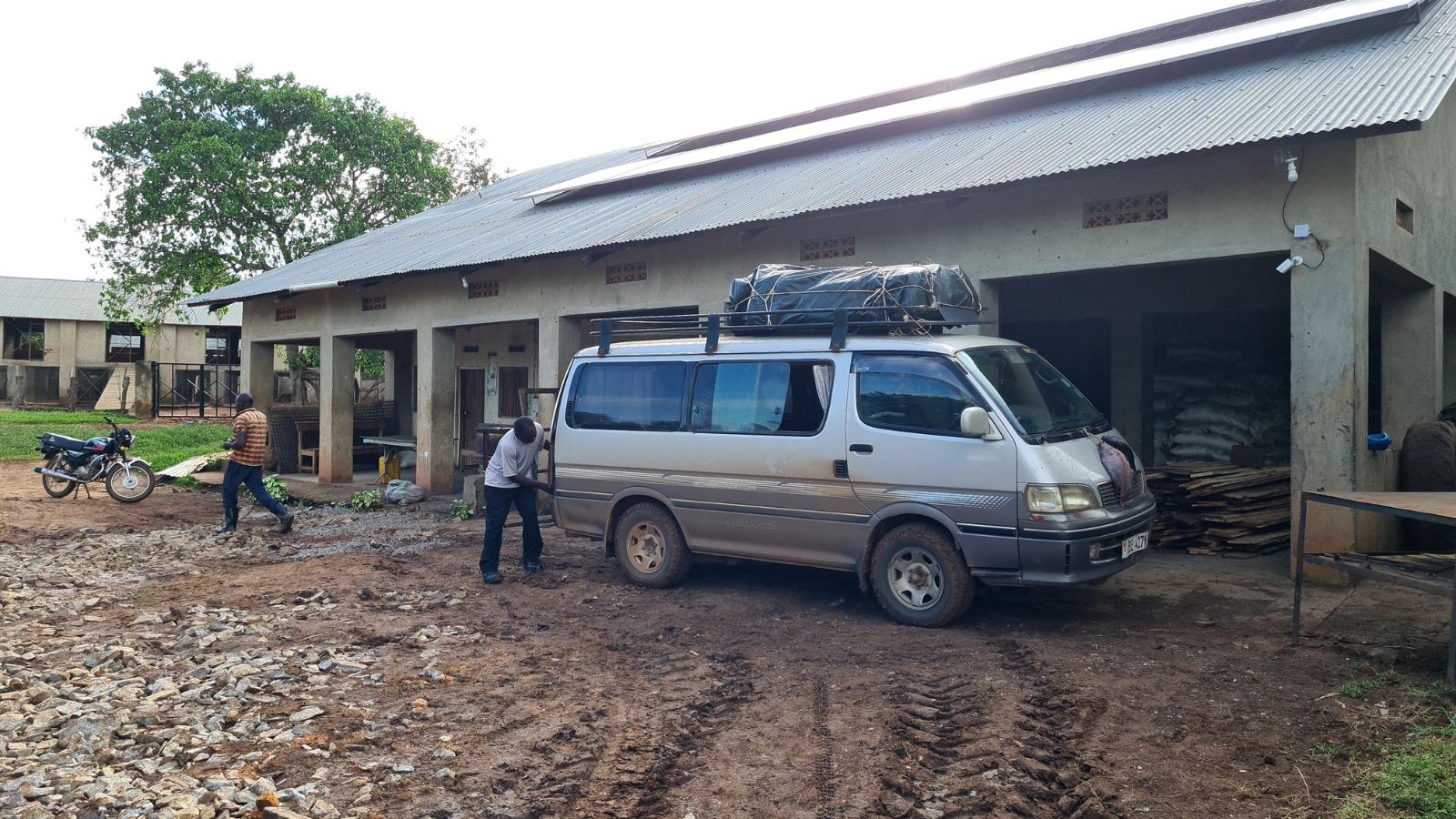
On a recent trip to Uganda, I was handed the keys to something unexpected. Not a rugged Land Cruiser or a hardcore off road bruiser, but a humble Toyota HiAce 4×4 people carrier. At first glance, it looked like your average minivan, the kind you see shuttling workers or running errands in cities across the globe. But what I quickly discovered is that this unassuming van had some serious capability hiding beneath its modest skin.
Seating Comfort Meets Capability
Designed to carry six passengers in relative comfort, the Toyota HiAce was far more refined than I expected. Air conditioning, supportive seats, and a spacious roofline gave it the comfort of a minibus. But what truly impressed me was how seamlessly it transitioned from tarmac to trail. With its automatic transmission and selectable four wheel drive system, the van proved itself to be more than just a commuter vehicle.
It became clear that the HiAce was uniquely equipped to handle a blend of passenger transport and backcountry trail work. Where others saw limitations, this Toyota turned challenges into opportunities. It moved our group through congested towns and muddy rural roads with equal confidence. It was dependable, practical, and far more robust than its appearance suggested.
Mastering Uganda’s Terrain
Ugandan roads are a mixed bag. In the city, they are hectic but manageable. Out in the countryside, however, the terrain becomes a true test for any vehicle. Loose gravel, river fords, mud paths, and sudden inclines can stop lesser machines in their tracks. But the HiAce took it all in stride.
One memorable moment came as we approached a washed out, muddy ascent deep in the bush. Vehicles were backed up, including a row of boda bodas, the ubiquitous local motorcycles, whose riders were scratching their heads in frustration. The mud was thick and slick, the ruts deep, and traction nearly nonexistent. Many had turned back. But not the HiAce.
With a quick shift into low ratio and the differential locked, we rolled forward with measured confidence. The tires bit into the slippery surface, the engine hummed, and slowly, surely, we climbed. Cheers erupted from the locals as we crested the hill, the only vehicle that day to make it through without a tow or a push. It was one of those moments that stick with you, when engineering and utility combine to deliver something extraordinary.
In another region, we faced a dried riverbed turned to rock and dust, weaving between boulders and sand gullies. Again, the HiAce proved up to the task. With careful steering and torque delivery, it crawled and surged forward, always composed. That confidence grew with every mile, transforming our expectations of what this van could do.
Equipped with a locking differential and a surprisingly capable suspension setup, it tackled rough conditions with ease. Whether we were navigating through a deeply rutted track or cresting a steep embankment, the HiAce climbed, crawled, and cruised without hesitation. It became our unexpected ticket to freedom, reaching remote villages and stunning natural vistas that would have otherwise been off limits.
Built for More Than Business
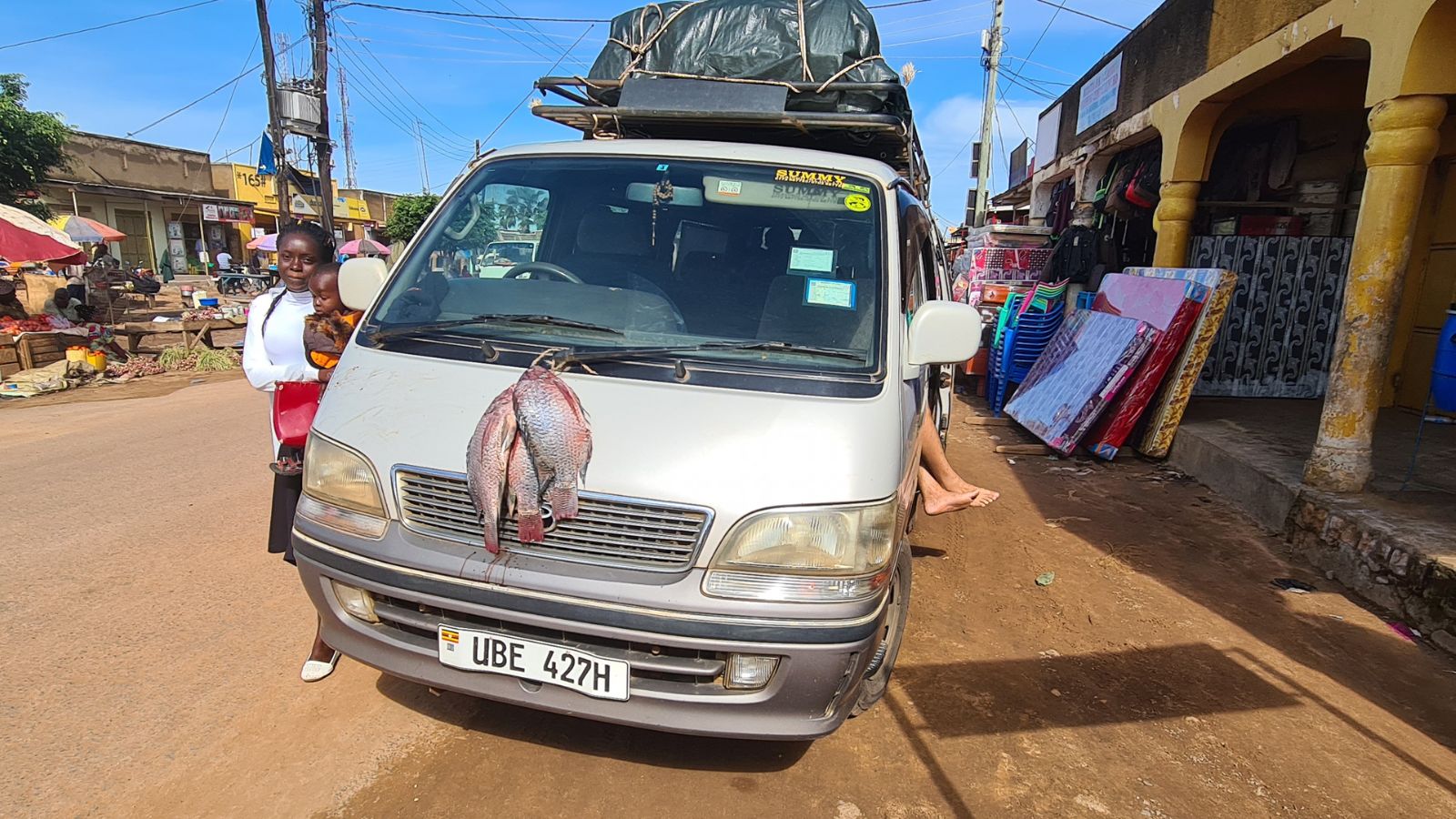
One unforgettable episode came when we were impromptu sold some fresh fish by a group of local fishermen along the road. The catch was too good to pass up, but we quickly realized we had nowhere to store it inside the HiAce. In true improvisational spirit, someone tied the fish to the front wiper stalks. It was a hilarious sight, and the photos we took still raise eyebrows back home. Yet, it was a moment that perfectly captured the spontaneity and charm of travel in Africa and the rugged versatility of the HiAce.
Toyota may have designed the HiAce for commercial duty, but in Uganda it wore many hats. School bus, family hauler, ambulance, and on this occasion, an overland explorer. Its reliability was as legendary as ever. Even after hours of bumpy terrain and deep water crossings, it started on the button every time.
And despite its size, it was nimble. Tight village streets, narrow dirt paths, and unpredictable obstacles were all managed with remarkable maneuverability. It was a lesson in not judging a book by its cover. Where some vehicles look the part and fail, the HiAce quietly excelled.
Its versatility extended beyond mere transport. We used it to haul supplies, help out locals, and at one point even ferry a group of students needing a lift to school. Its utility was appreciated by everyone who encountered it, and it brought a sense of confidence and dependability wherever we went.
A Mechanical Look: 1990 Toyota HiAce 4×4
The 1990 Toyota HiAce 4×4 was built with a simple yet rugged engineering philosophy. Under the hood typically sat a 2.4 liter inline four cylinder diesel engine, known for its durability and low end torque. Paired with a four speed automatic or five speed manual transmission, the engine delivered power through a selectable four wheel drive system.
The drivetrain included a manually locking center differential and, in some models, a low range transfer case. This combination allowed the HiAce to adapt to different terrains, from urban streets to mountain trails. The front suspension used a torsion bar setup, while the rear relied on leaf springs, providing a balance of load carrying ability and flexibility off road.
Its ladder frame chassis contributed to its overall strength, and ground clearance was sufficient to clear most rural obstacles. The HiAce’s body on frame design meant it could withstand rough usage and remain serviceable for decades. With a turning circle tighter than expected for its size, it was maneuverable enough to handle tight village roads and winding paths through the hills.
Inside, instrumentation was simple and practical. Controls were intuitive and easily accessible. The vehicle’s simplicity made it easy to repair and maintain in the field. This is one of the reasons it has remained a popular choice for developing regions around the world where dependability is more valuable than refinement.
Toyota Tough
This trip reminded me that versatility and dependability often matter more than brute strength or flashy design. The Toyota HiAce 4×4 might not be the first vehicle that comes to mind when you think of adventure, but it earned its stripes on Uganda’s challenging roads. More than just a people mover, it was a pathfinder, a lifeline, and a companion in exploration.
It goes to show, sometimes the most unlikely vehicle becomes the perfect one for the job. Not because it is loud or fast or dramatic, but because it does everything you ask of it, and more, without protest. The humble HiAce showed me that in the right setting, capability is not about appearances but about results. And in Uganda, this old Toyota delivered in every sense of the word.