Every Porsche story has a beginning. Some start with a 911, others with something faster, louder, or more expensive. Mine began with a car many people overlook. A modest Porsche 914 with a 1.7 engine, bought not for prestige or performance, but for curiosity. What I discovered was something far more meaningful. Character, purity, and a glimpse into one of Porsche’s most underrated chapters.
A Design Ahead of Its Time
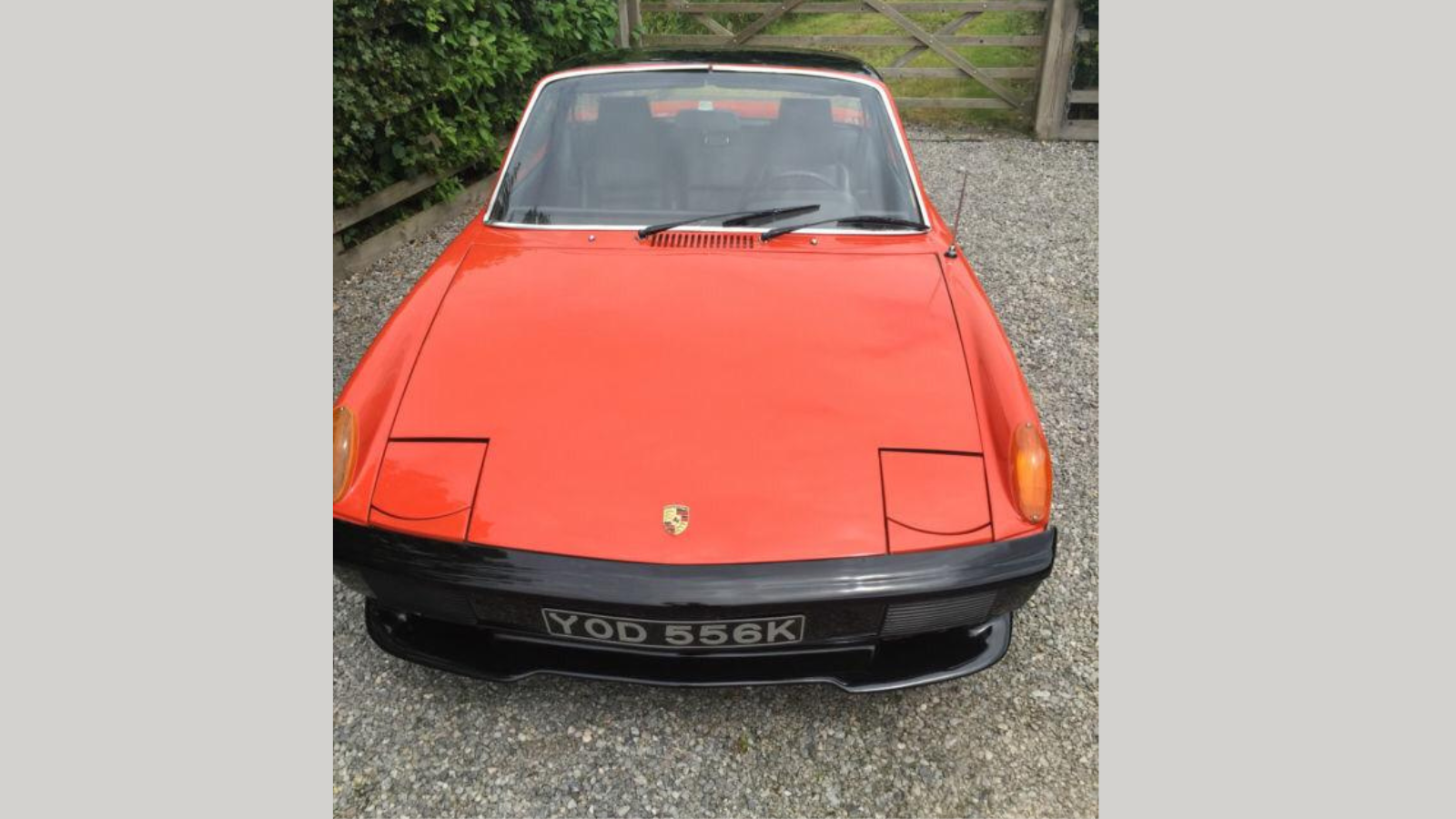
The first thing that struck me about the 914 was its shape. Low, wide, and almost architectural in its simplicity, it felt different from anything else on the road. This was no traditional sports car silhouette. The clean lines and mid engine proportions gave it a stance that looked more modern than many cars that came decades later.
Penned by Ferdinand Alexander Porsche, the same mind behind the original 911, the 914 carried a sense of purpose in every angle. There was nothing ornamental about it. Every surface seemed deliberate, every proportion functional. At a time when most sports cars still relied on front engine layouts, the 914 quietly introduced a more balanced, mid engine philosophy to a wider audience.
The Humble 1.7 With a Big Personality
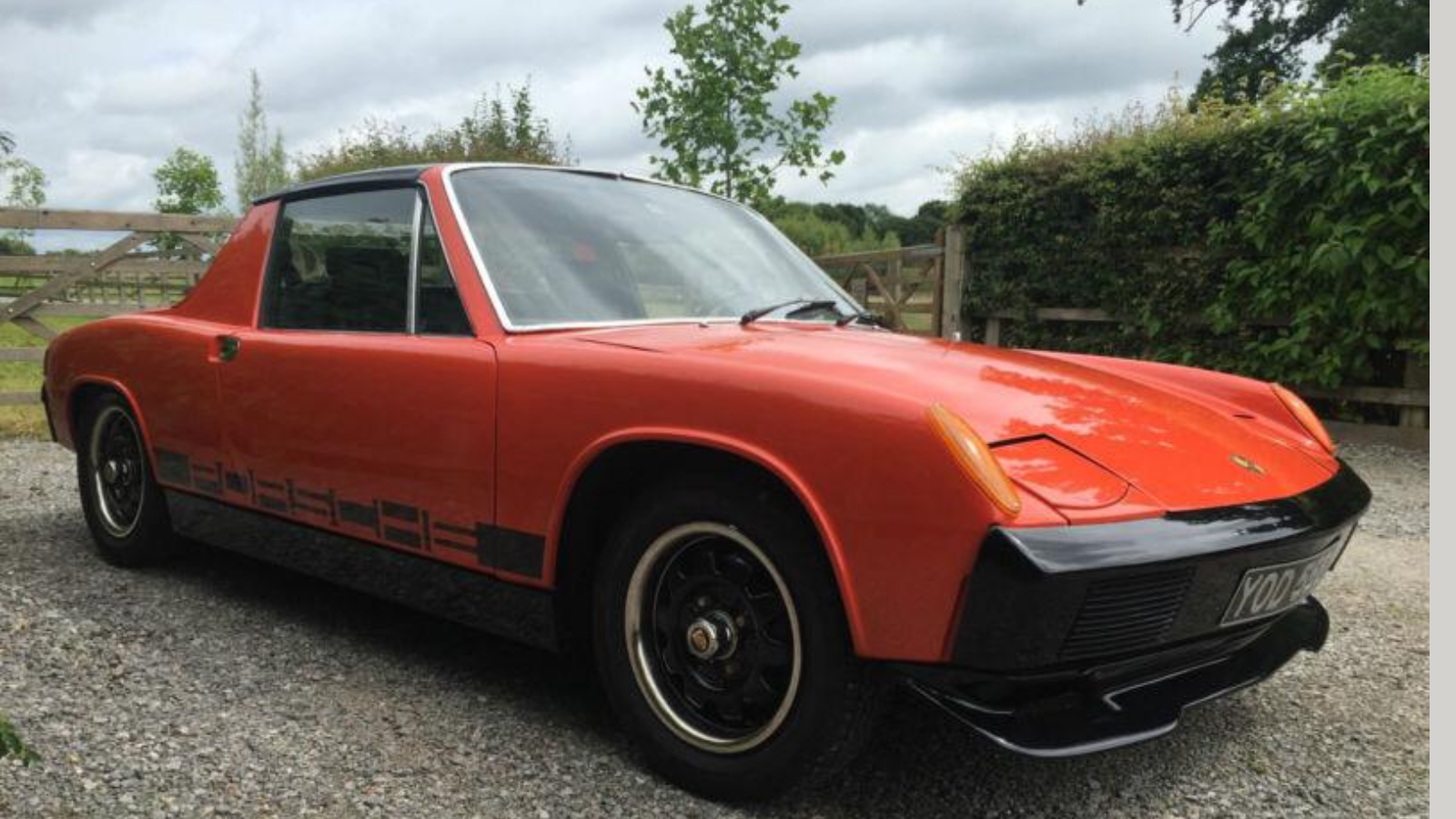
On paper, the 1.7 litre flat four engine did not promise much. Power was modest, and acceleration figures were never going to impress anyone chasing numbers. But the magic of the 914 was never about outright speed.
The engine had a playful, willing character. It encouraged you to explore the rev range, to carry momentum, and to drive with intent rather than brute force. Combined with the lightweight chassis, the car felt alive at any speed. You did not need to be going fast to enjoy it. The sensation of balance, the way the car rotated through corners, and the feedback through the steering made every drive engaging.
The Mid Engine Magic
The real secret of the 914 lay in its layout. With the engine positioned just behind the driver, the car delivered exceptional balance. Turn in was sharp, the chassis felt neutral, and the car responded instantly to driver inputs.
It was a different kind of driving experience compared to rear engine 911s. Less intimidating, more approachable, yet still unmistakably Porsche in its focus on driver engagement. The 914 taught you how to drive properly. Smooth inputs, maintaining momentum, and trusting the chassis became second nature.
A Car That Made Every Drive Feel Special
There was also something wonderfully simple about the 914. The removable targa roof, the minimal interior, and the direct mechanical feel made every drive feel like an event. It was not about luxury or refinement. It was about connection.
Even short drives became memorable. The sound of the flat four, the low seating position, and the open sky above created an atmosphere that modern cars struggle to replicate.
The Racing Pedigree People Forget
For all its humble reputation, the 914 also has a serious motorsport story. The Porsche 914-6 proved that the platform had genuine performance potential.
In endurance racing, the 914-6 achieved remarkable success. At the 24 Hours of Le Mans in 1970, it finished impressively high overall, placing just behind the dominant prototype race cars. For a relatively small, production based sports car, this was an extraordinary achievement.
It demonstrated that beneath its simple appearance, the 914 possessed real engineering credibility.
More Than Just an Entry Point
Looking back, that humble 1.7 litre 914 was more than just my first Porsche. It was an introduction to what the brand truly represents. Not just speed or status, but balance, engineering, and the joy of driving.
The 914 may not carry the same prestige as a 911, but it captures something equally important. It reminds you that driving pleasure does not come from numbers alone. It comes from the way a car makes you feel.
And for me, that feeling started with one of Porsche’s most underestimated creations.