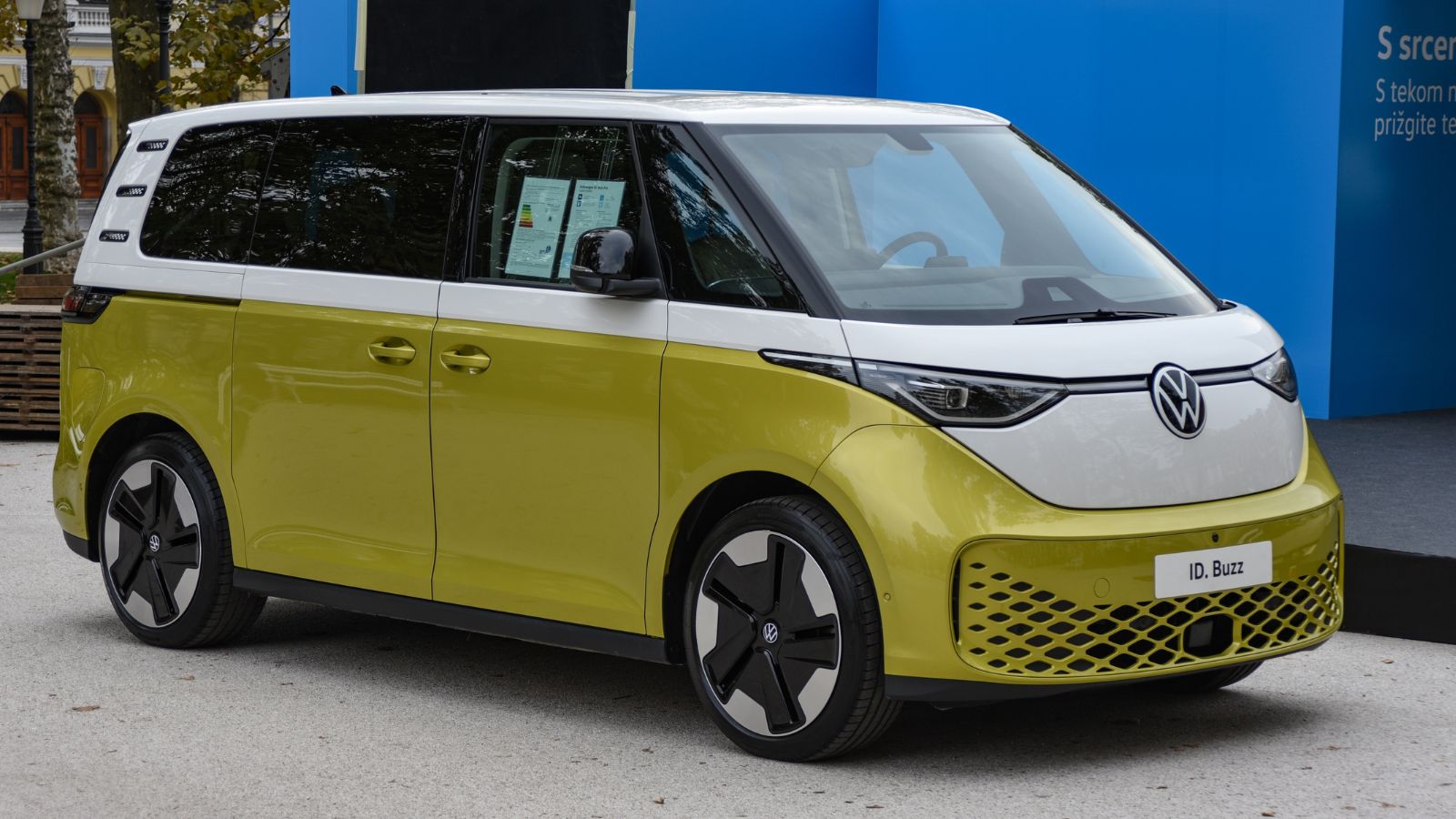
When Volkswagen unveiled the ID Buzz, it seemed like the perfect idea. A modern electric reinterpretation of the beloved Volkswagen Type 2, complete with retro styling and a futuristic electric platform. It promised nostalgia, sustainability, and practicality all wrapped into one vehicle. For many enthusiasts and industry watchers, the formula looked unbeatable.
Yet despite the excitement surrounding its launch, the ID Buzz has struggled to match the expectations placed upon it. What was once predicted to become a cultural icon and a major sales success has turned into a much more complicated story.
A Concept That Captured the Public’s Imagination
The original reveal of the ID Buzz generated enormous enthusiasm. The design clearly referenced the iconic Volkswagen bus of the 1960s and 1970s with its upright shape, large windows, and friendly face. It tapped directly into decades of nostalgia while promising a fully electric future.
Volkswagen positioned the vehicle as a bridge between past and future. For longtime fans of the brand, it looked like the spiritual successor to one of the most beloved vehicles ever produced.
Strong Engineering on Paper
From an engineering perspective, the ID Buzz appeared promising. It rides on Volkswagen’s dedicated MEB electric platform, the same architecture used for several of the company’s modern EVs. The platform places the battery in the floor, helping create a low center of gravity and a spacious interior.
The vehicle also features a rear wheel drive layout, something unusual in modern vans but very much in keeping with the original VW bus philosophy. Electric motors deliver smooth, quiet acceleration while the flat floor layout maximizes cabin space.
In theory, it combined the charm of the past with the technology of the future.
Nostalgia Alone Was Not Enough
The problem was that nostalgia can only carry a product so far. While the ID Buzz looked fantastic in photos and concept form, real world buyers began to notice practical issues once the vehicle arrived in showrooms.
Pricing quickly became one of the biggest hurdles. The ID Buzz entered the market with a premium price tag that placed it far above what many expected for a vehicle positioned as a spiritual successor to a simple, friendly van. Instead of feeling accessible like the original bus, it felt like a lifestyle statement aimed at a narrow audience.
Range and Charging Concerns
Another challenge came from the realities of electric vehicle ownership. While the ID Buzz offers respectable range by EV standards, it still falls short of what many families expect from a vehicle designed for road trips and adventure.
For buyers drawn to the original VW bus’s spirit of freedom and exploration, concerns about charging infrastructure and long distance travel became difficult to ignore. The romance of the road trip does not always align easily with current EV limitations.
Practicality Didn’t Match Expectations
Ironically, the vehicle inspired by one of the most practical vans ever built faced criticism for its own usability. Some buyers found that interior space, cargo capacity, and overall versatility did not quite match the expectations created by its nostalgic styling.
The original Volkswagen bus became famous because it was simple, affordable, and endlessly adaptable. The ID Buzz, while stylish and technologically advanced, struggled to replicate that straightforward practicality.
A Victim of Its Own Hype
Perhaps the biggest challenge the ID Buzz faced was the level of expectation placed upon it. Volkswagen and the media positioned it as the rebirth of a legend, which created enormous pressure for the vehicle to deliver something truly revolutionary.
Instead, buyers encountered a vehicle that was good but not transformative. It had the look of the classic bus, but it did not capture the same simplicity, accessibility, or cultural impact that made the original so beloved.
The Difficulty of Recreating an Icon
Reimagining a legendary vehicle is one of the hardest challenges any manufacturer can attempt. The original Volkswagen Type 2 succeeded because it arrived at exactly the right moment in history, offering affordable mobility, practicality, and personality.
The ID Buzz exists in a very different automotive landscape. Competition is intense, EV expectations are high, and buyers demand far more from their vehicles than style alone.
The result is a vehicle that remains interesting and distinctive but struggles to live up to the enormous legacy it was designed to inherit.