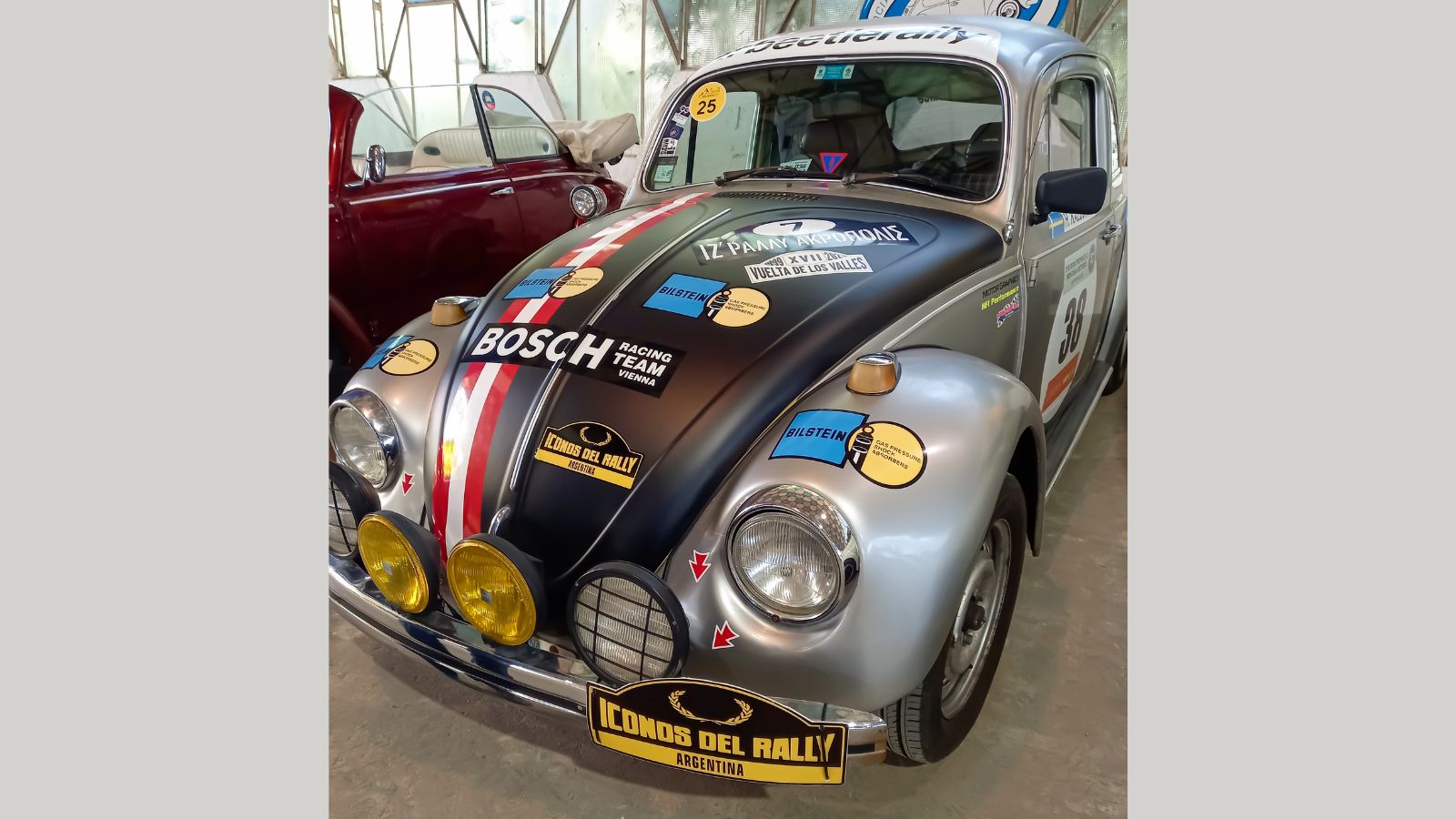
The Volkswagen Beetle is rarely the first car that comes to mind when people think about rally champions. Yet during the early 1970s, a small group of specially prepared Beetles wearing silver paint and bold red and white stripes shocked the rally world. Known as the Salzburg Beetles, these cars were entered by the Austrian Volkswagen importer and became one of the most surprising success stories in rally history.
How the Salzburg Rally Program Began
The story begins with Porsche Salzburg, the Austrian Volkswagen distributor closely connected to the Porsche family. In the late 1960s and early 1970s, the organization decided to demonstrate the durability and capability of Volkswagen vehicles through motorsport.
Rather than developing an entirely new competition car, the team chose the familiar Beetle. It was simple, lightweight, and mechanically robust. More importantly, it had a rear engine layout that provided excellent traction on loose rally surfaces.
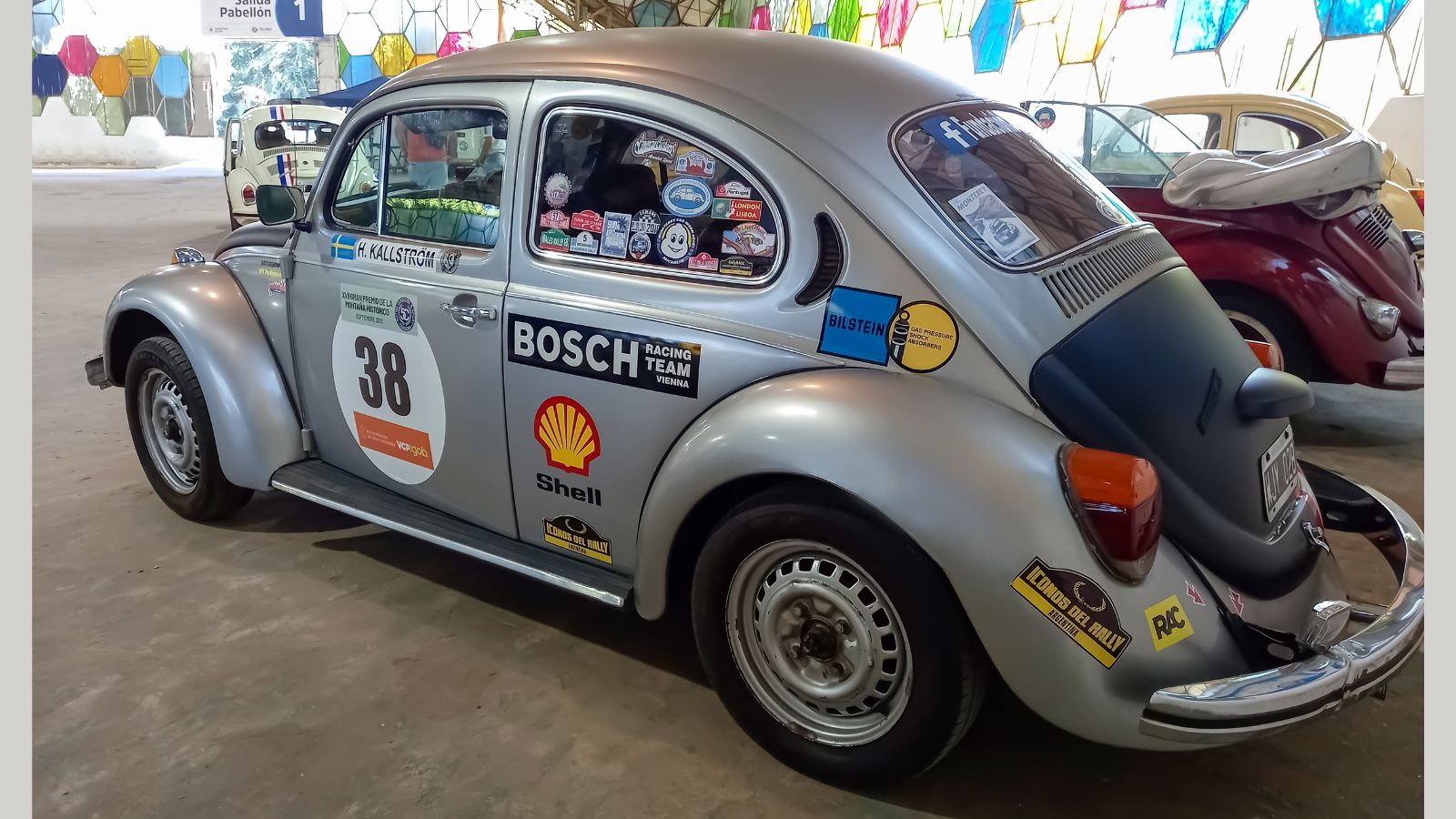
To distinguish the cars visually, Porsche Salzburg gave them a striking livery. The Beetles were painted silver with a red and white stripe running along the body, reflecting the colors of the Austrian flag. The result was a design that looked purposeful, patriotic, and instantly recognizable.
A Surprise Victory That Made History
The Salzburg Beetles became famous after their stunning victory in the Monte Carlo Rally in 1973. In difficult winter conditions, the Beetle’s traction and reliability proved decisive. While more powerful cars struggled with mechanical failures and treacherous roads, the humble Volkswagen pushed steadily forward.
Against expectations, the Salzburg prepared Beetle claimed overall victory. It was a remarkable achievement for a car originally designed as simple transportation rather than a racing machine.
What Made the Salzburg Beetles Special
Underneath their distinctive paint scheme, the Salzburg Beetles were far from ordinary road cars. The team carefully modified the vehicles to withstand the brutal demands of rally competition.
The engines were tuned versions of Volkswagen’s air cooled flat four, producing more power and stronger midrange torque than standard Beetles. Suspension systems were reinforced and adjusted to handle rough rally stages, allowing the cars to maintain stability on snow, gravel, and uneven mountain roads.
Brakes were improved, protective skid plates were added, and interior equipment was stripped to reduce weight. Roll cages and rally instrumentation turned the simple Beetle cabin into a focused competition environment.
The Advantage of the Rear Engine Layout
One of the Beetle’s greatest rally strengths came from its unusual layout. With the engine mounted over the rear axle, the car had excellent traction when accelerating on slippery surfaces. In snowy alpine conditions, this allowed the Beetle to find grip where other cars struggled.
The lightweight chassis also helped drivers maintain momentum through tight rally stages. While larger competitors relied on raw horsepower, the Beetle used agility and balance to maintain competitive speed.
A Giant Killer in the Rally World
During its rally career, the Salzburg Beetle earned a reputation as a giant killer. Competing against far more powerful machines from established manufacturers, it proved that clever engineering and reliability could defeat brute force.
The sight of a modest Volkswagen sliding confidently through snowy mountain passes became one of the defining images of rally racing in the early 1970s.
A Lasting Legacy
Today the Salzburg Beetles remain some of the most famous competition versions of the Volkswagen Beetle ever built. Their distinctive silver paint and Austrian stripes have become iconic among rally enthusiasts.
More importantly, they demonstrated that motorsport success does not always require exotic engineering or overwhelming power. Sometimes a simple car, prepared carefully and driven with skill, can rewrite expectations and make history.
The Salzburg Beetles did exactly that, turning one of the world’s most humble cars into an unforgettable rally champion.