At first glance, the classic Mini looked like the least likely rally champion imaginable. Small, upright, and modestly powered, it seemed better suited to city streets than the brutal stages of European rally competition. Yet during the 1960s the little Austin-built Mini repeatedly humiliated far larger and more powerful rivals. Its success was not luck. It was the result of brilliant engineering and clever packaging that turned apparent disadvantages into genuine competitive strengths.
A Radical Design That Changed Everything
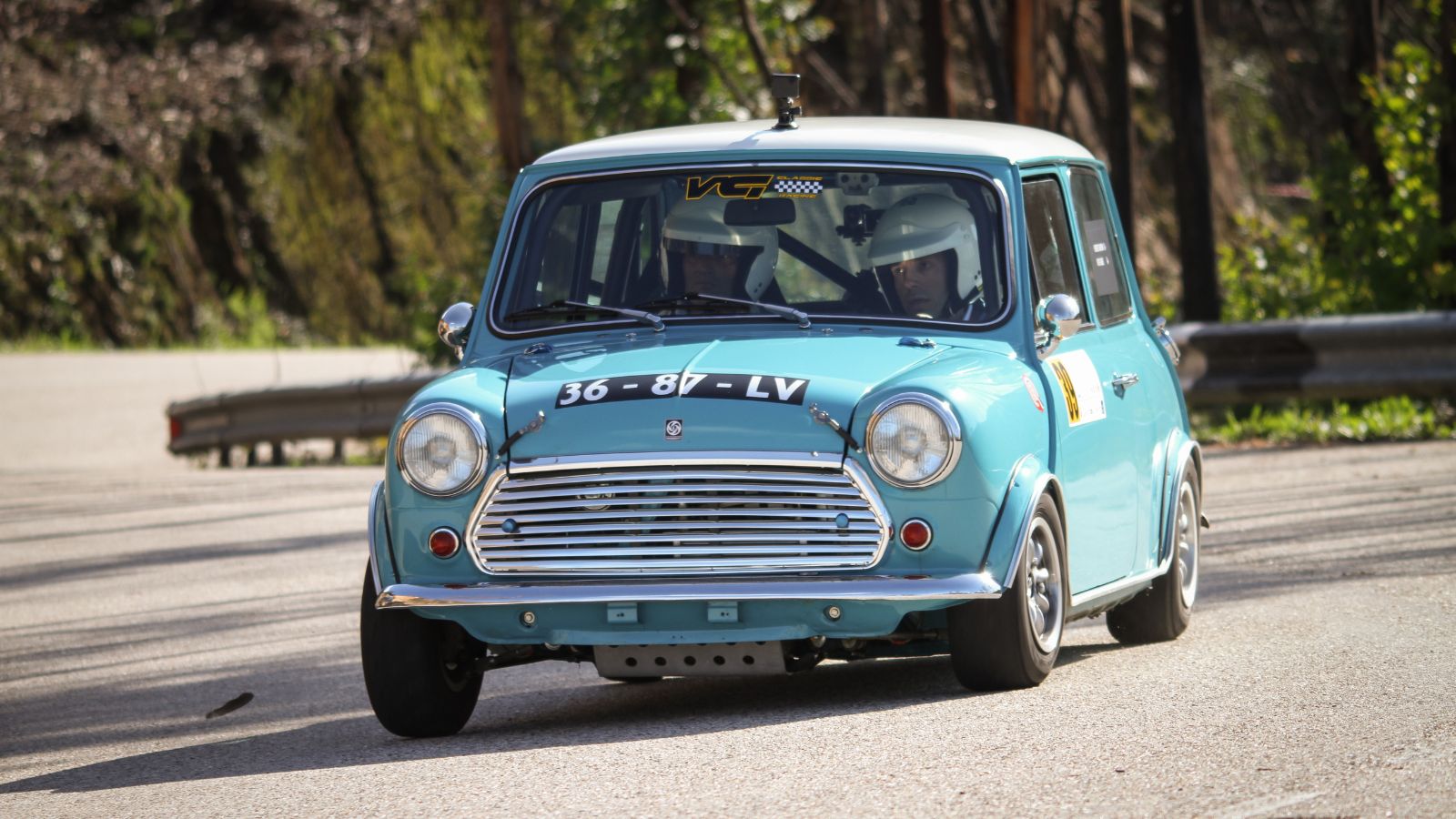
When the Mini was introduced in 1959 by the British Motor Corporation, it was already revolutionary. Designed by engineer Alec Issigonis, the car used a transverse engine layout driving the front wheels. This allowed the majority of the car’s length to be devoted to passenger space while keeping the mechanical components tightly packaged.
The result was a compact vehicle with wheels pushed out to the corners, creating a wide stance relative to its size. For rally drivers, that meant stability, agility, and exceptional balance on narrow European roads.
Front Wheel Drive Became a Secret Weapon
At a time when most rally cars were rear wheel drive, the Mini’s front wheel drive configuration proved remarkably effective. On slippery rally surfaces such as snow, gravel, and wet tarmac, the driven front wheels pulled the car through corners rather than pushing it from behind.
This meant drivers could maintain momentum in conditions where larger rear driven cars struggled for traction. The Mini’s ability to claw forward on loose surfaces became one of its greatest advantages, especially during winter rallies.
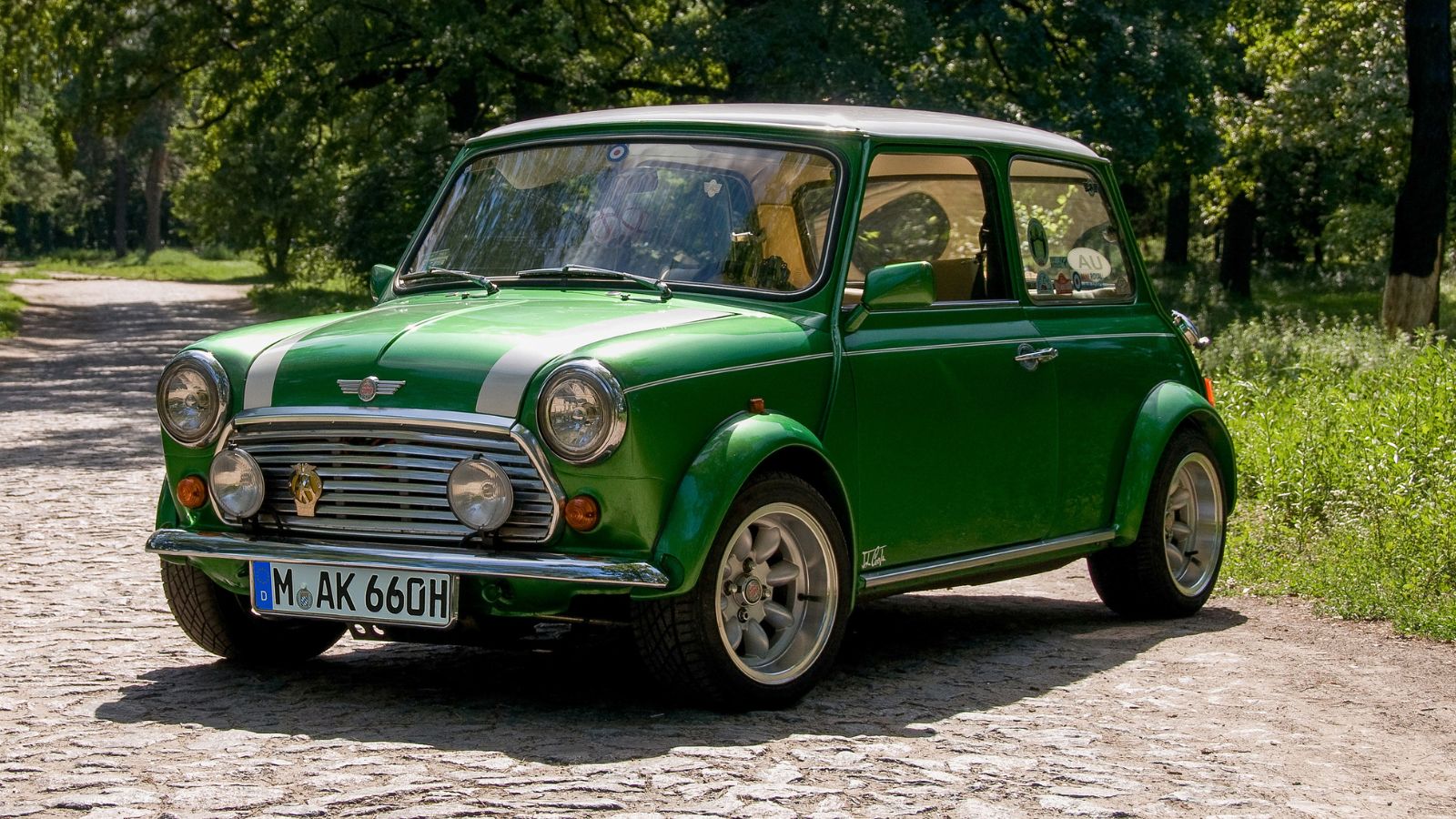
Small Size Was a Huge Advantage
European rally stages often run along tight mountain roads, narrow forest tracks, and twisting alpine passes. Large cars with powerful engines could struggle in these environments simply because they were too big to place accurately on the road.
The Mini’s tiny footprint allowed drivers to attack corners aggressively and place the car exactly where they wanted. On tight hairpins and narrow sections, the little Austin could slip through faster than rivals that were constantly wrestling their size and weight.
Lightweight Construction Delivered Agility
Another key factor behind the Mini’s success was weight. The car was exceptionally light compared with most competitors of the era. That meant less inertia during braking, quicker changes of direction, and reduced strain on tyres and brakes.
In rally racing, where surfaces constantly change and grip is unpredictable, a light and nimble car can often outperform a more powerful but heavier machine. The Mini embodied this philosophy perfectly.
The Birth of the Cooper Performance Versions
The transformation from city car to rally legend truly began when racing engineer John Cooper saw the Mini’s potential. Working with BMC, he helped develop performance versions known as the Mini Cooper S.
These upgraded models featured more powerful engines, improved brakes, and suspension tuned specifically for competition. With these enhancements, the Mini suddenly had the performance to match its superb handling.
Rally Victories That Made History
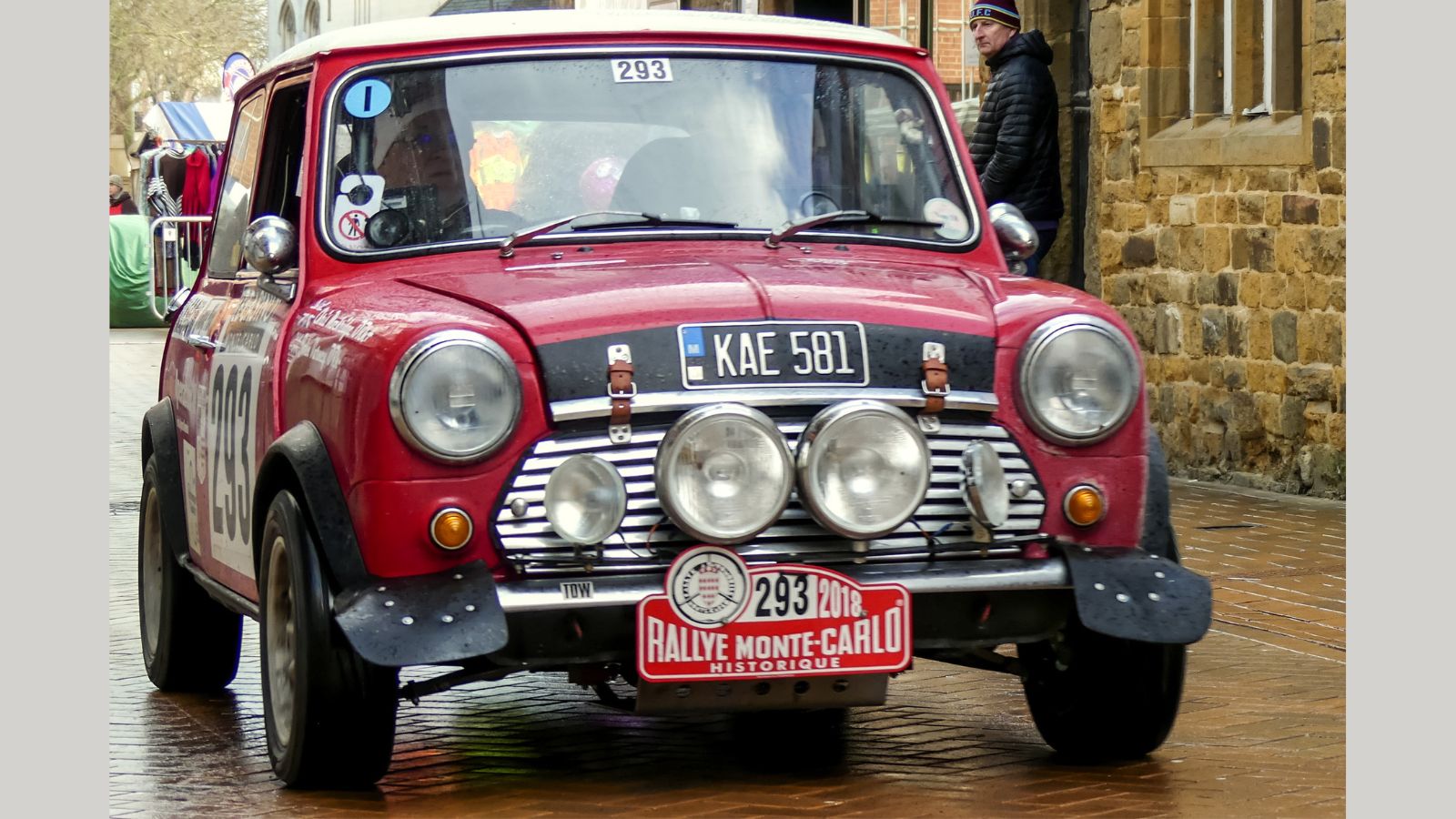
The Mini’s most famous successes came in the prestigious Monte Carlo Rally. In 1964, 1965, and 1967, Mini Cooper S cars shocked the rally world by defeating far more powerful competitors.
These victories cemented the Mini’s reputation as a giant killer. The sight of a small British car sliding through snow covered mountain passes while leaving larger machines behind became one of rallying’s most enduring images.
Packaging That Turned Weakness Into Strength
What made the Mini truly remarkable was how its unconventional design turned perceived weaknesses into advantages. Its modest engine power forced drivers to maintain momentum. Its compact size encouraged precision. Its front wheel drive layout offered superior traction on difficult surfaces.
Rather than overpowering rally stages, the Mini danced through them with speed, agility, and relentless determination.
A Legacy That Still Inspires
Today the classic Mini remains one of the most celebrated rally cars in motorsport history. Its success proved that intelligent design and clever packaging could overcome raw power.
The little Austin did not just win rallies. It changed how engineers and drivers thought about performance, proving that sometimes the smartest solution is also the smallest one.