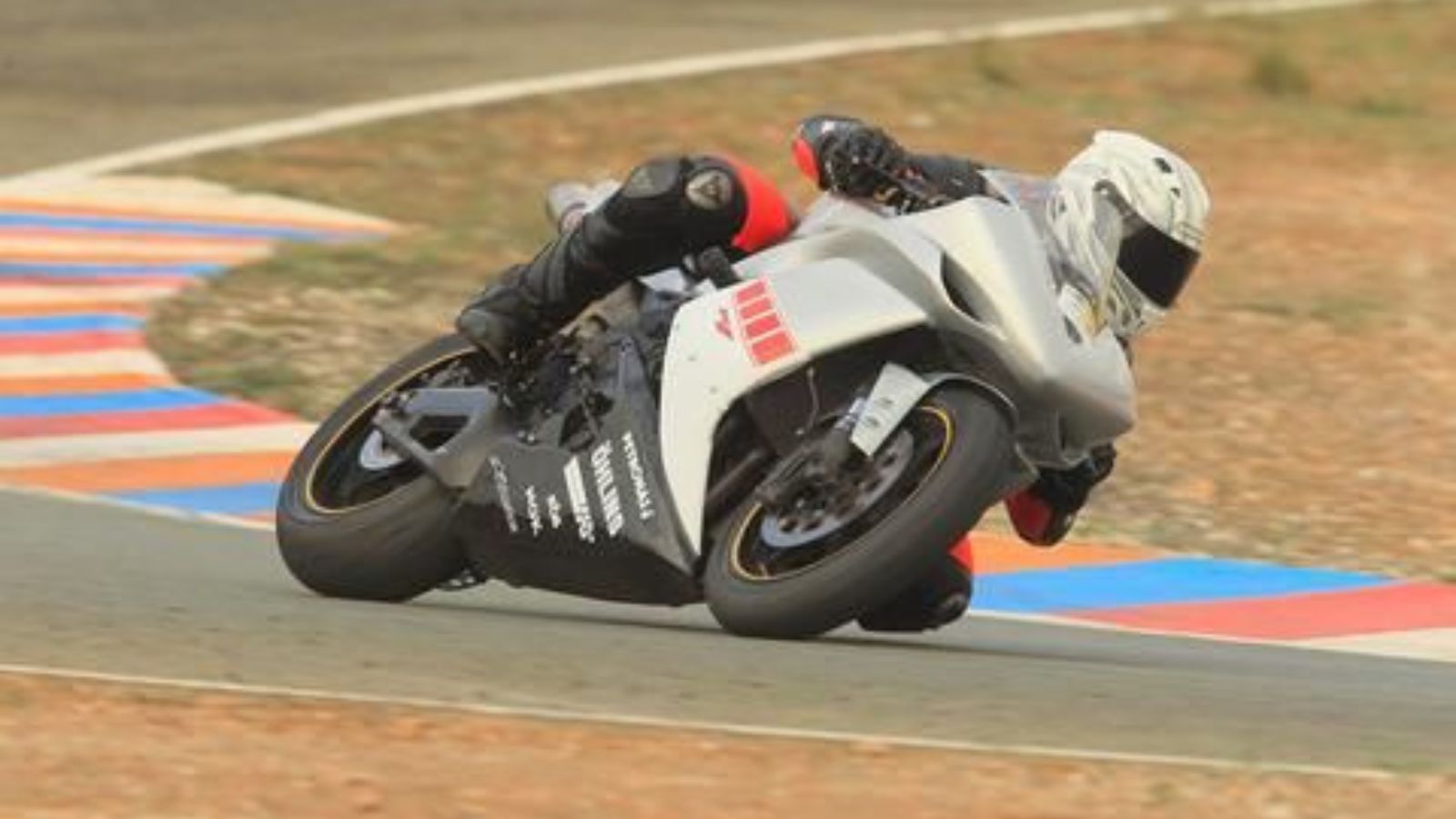
In an age where every twist of the throttle is interpreted by a computer, and sensors whisper corrections to traction control systems and cornering ABS modules, there remains a rare and exhilarating experience: piloting a 1000cc superbike on track with zero electronic intervention. No traction control. No wheelie control. No quickshifter. No auto blipper. Just man, machine, and the tarmac beneath.
The Machine
These analog monsters, often from the late 90s or early 2000s, are mechanical masterpieces. Inline four cylinders spinning to 13000 RPM, delivering over 150 horsepower to the rear tire with nothing but your right wrist controlling the chaos. A true analog liter bike does not hold your hand. There are no riding modes, no adjustable engine braking maps, only a steel or aluminum frame, conventional forks, and a mechanical throttle cable.
Everything is mechanical. Throttle cables stretch and tug with every input. Brake lines expand and contract with the rhythm of hard stops. Clutch levers feel like extensions of your fingertips. There is no computer adjusting your power delivery in real time. It is raw, mechanical energy flowing straight from the engine to the tarmac.
The Experience
Riding one is a visceral, demanding, and incredibly rewarding endeavor. Every input matters. Throttle modulation becomes an art form. Clutchless upshifts require finesse and perfect timing. Downshifts demand heel and toe or a precisely executed blip of the throttle. Cornering becomes a matter of feel, feedback, and faith. There are no gyroscopic sensors to save you when things go sideways.
You learn to read the tire, feel the slide, and anticipate the limits. The mechanical feedback becomes your telemetry. It trains you to be a better rider by necessity, not convenience. The lack of electronic safety nets demands your respect and attention at every moment.
Why It Matters
In a world increasingly obsessed with digital precision and safety nets, analog track riding represents a rebellion. It strips the riding experience down to its core. You are forced to understand physics, weight transfer, and tire grip in a way modern electronics can sometimes mask. When you get it right, really right, it is one of the most satisfying experiences in all of motorsport.
It also fosters a deep respect for the machines and the racers of the past. The likes of Mick Doohan, Kevin Schwantz, and Carl Fogarty wrestled these beasts to victory with nothing more than skill, bravery, and mechanical intuition. Their bikes did not correct mistakes, they punished them. And yet, they made magic with these unforgiving machines. I am glad I didn’t ride a 500cc two stroke demon.
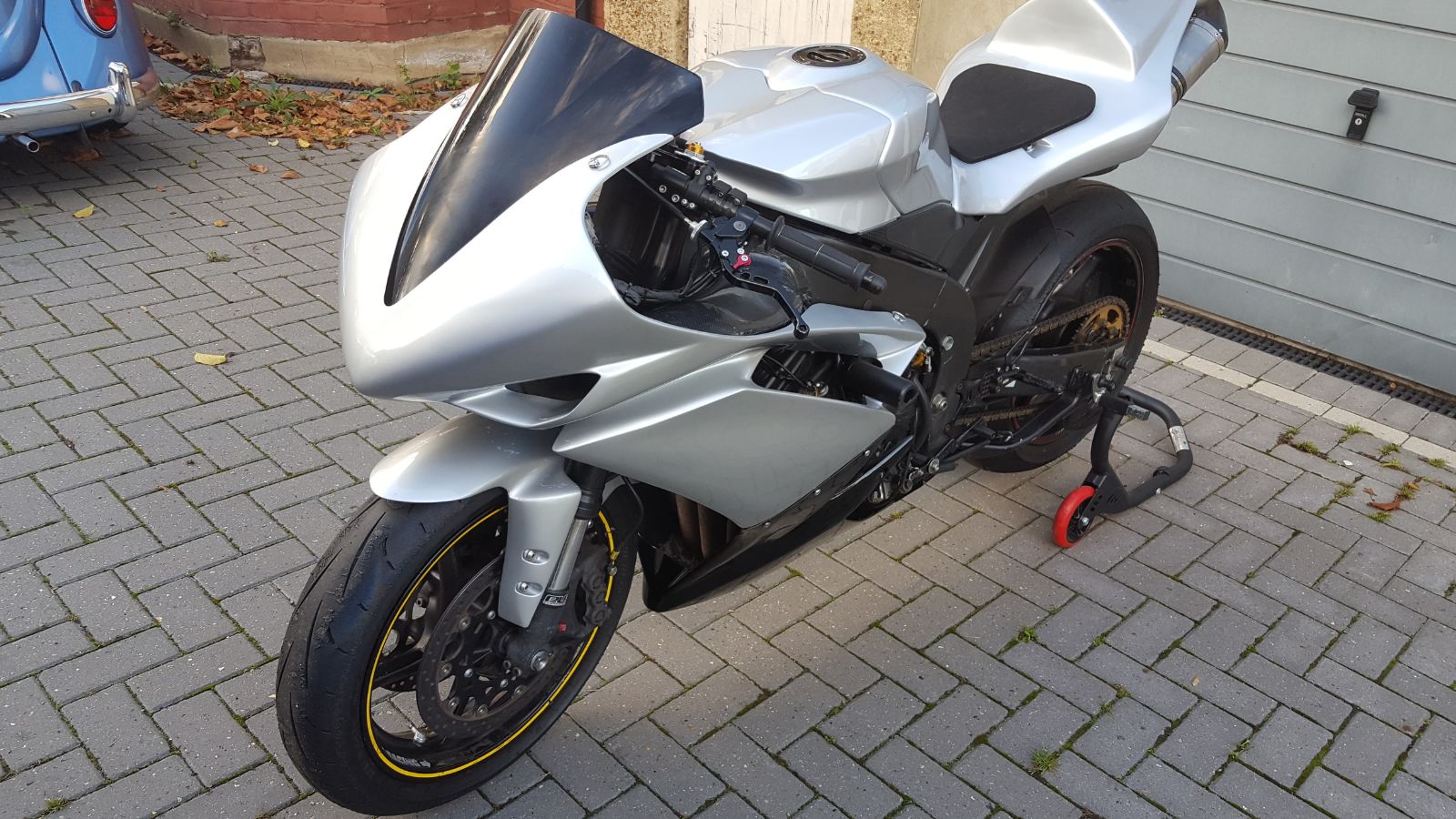
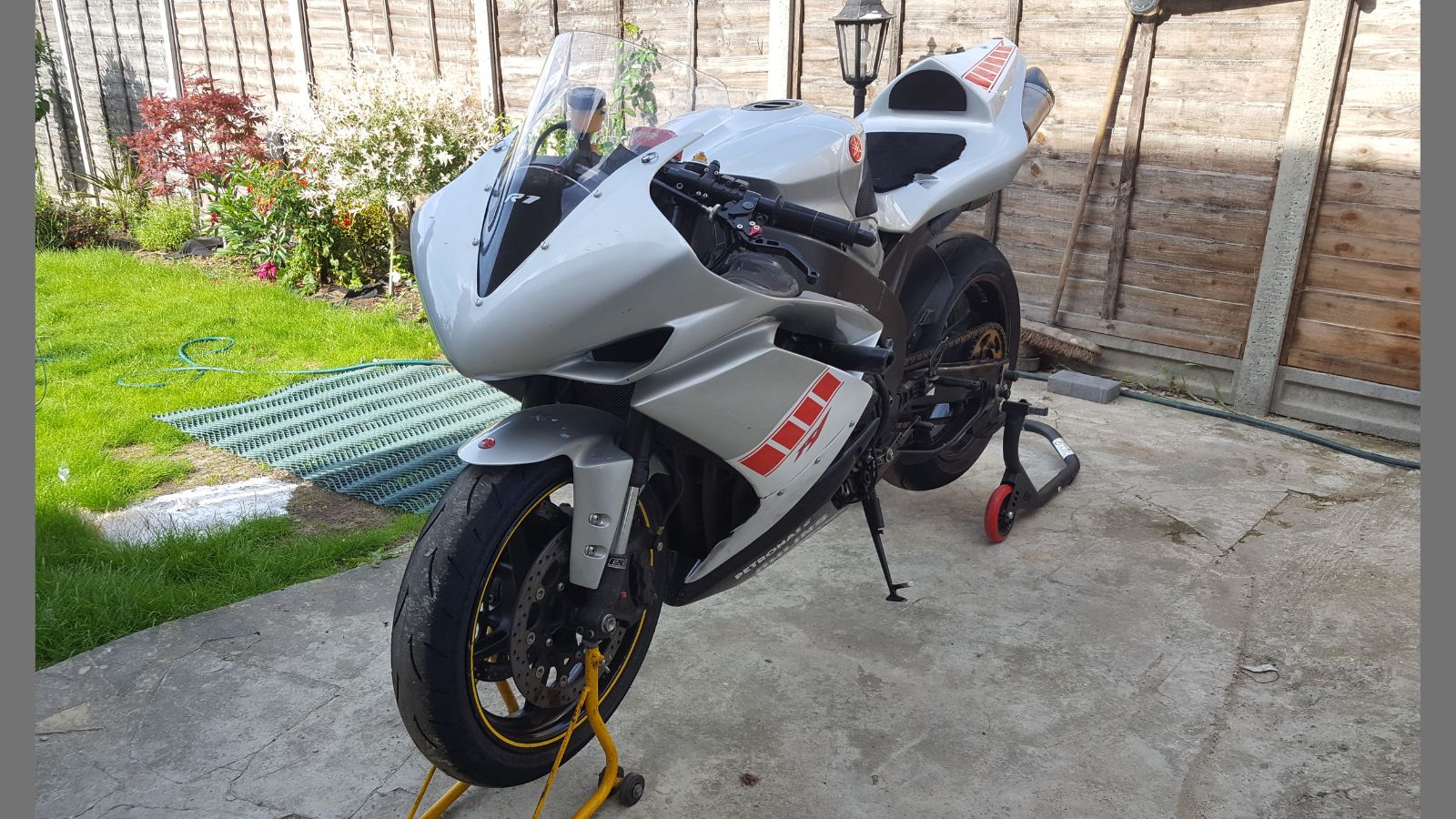
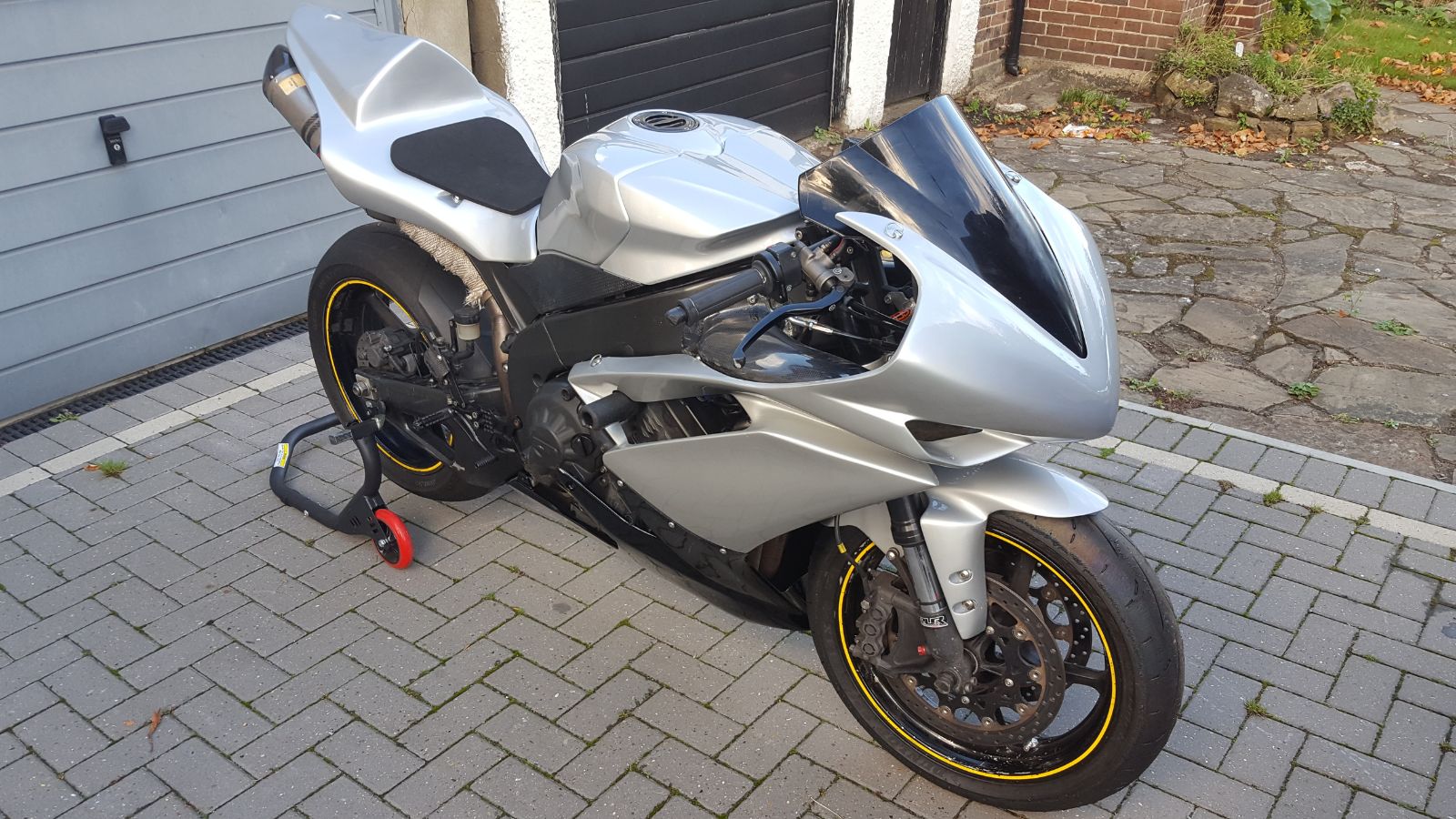
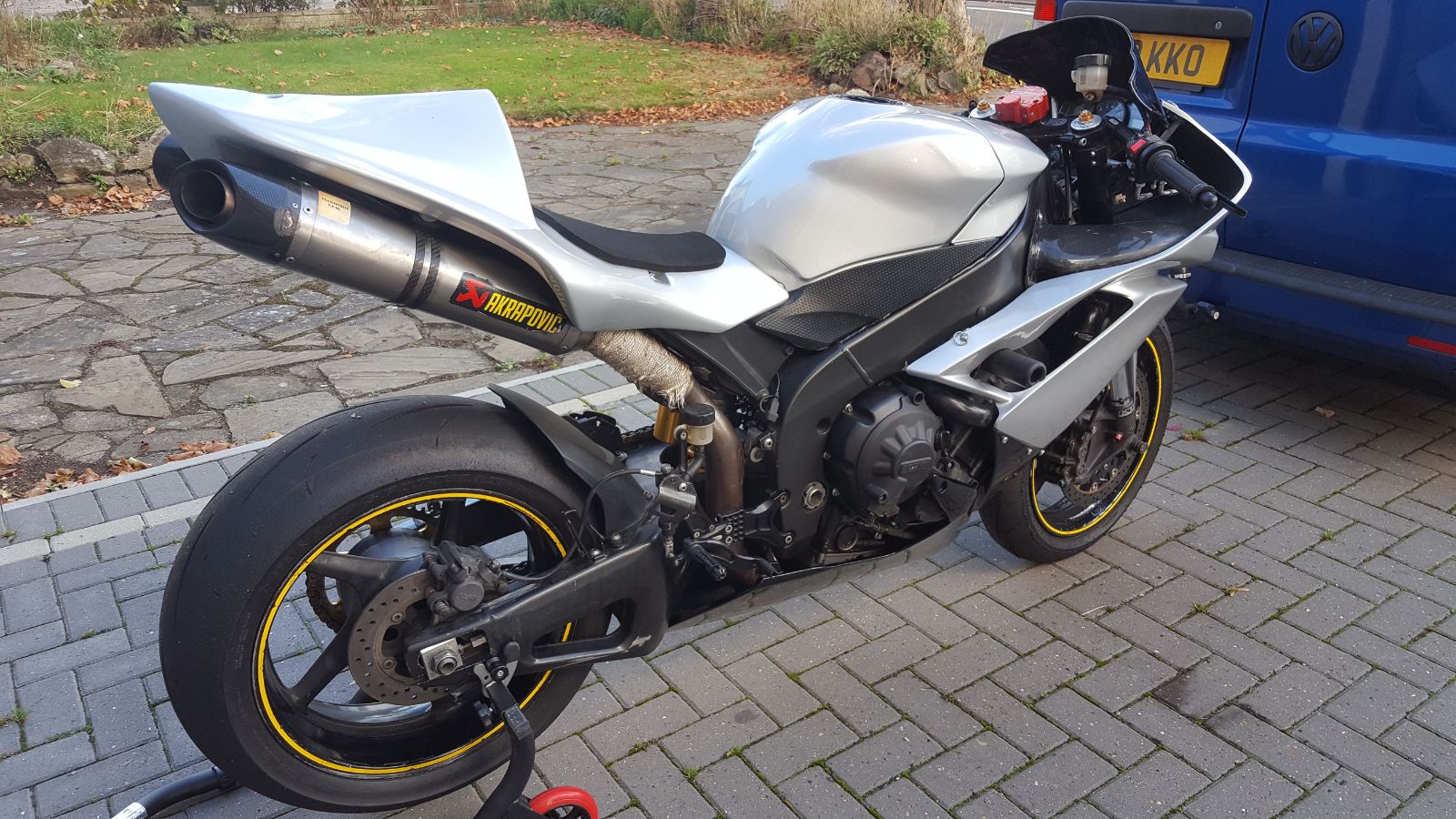
My 2008 Yamaha R1: The Last of the Screamers
Among the analog bikes I have ridden, my 2008 Yamaha R1 holds a special place. This machine, part of the final generation before Yamaha introduced the crossplane crankshaft in 2009, was the last of the traditional screamer inline fours. Its engine delivered that unmistakable high revving wail that defined superbikes of the era. With its aggressive throttle response, razor sharp chassis, and minimalist electronics, the 2008 R1 was unapologetically raw.
The bike’s styling was aggressive yet clean, with twin underseat exhausts and a focused riding position. It came with a conventional throttle cable, no ride by wire, no traction control, just pure mechanical feedback. It demanded skill and rewarded bravery. At the track, it required complete attention. You had to modulate the throttle with your fingers, feel for rear grip mid corner, and downshift with a precisely timed blip to avoid unsettling the chassis.
Riding it reminded me of why I fell in love with motorcycles in the first place. There was nothing between me and the machine but trust. Every lap was a negotiation between commitment and control. And when it all came together, the 2008 R1 sang a song that no modern electronics package could ever replicate. It was the last scream before the digital silence.
The Cult of Analog
Across tracks and paddocks around the world, there is a growing cult of riders seeking out these older bikes. The Suzuki GSX R1000 K5, the Yamaha R1 5VY, the Kawasaki ZX10R C1H, all celebrated for their rawness and mechanical purity. Riders speak about them in reverent tones. They tinker with suspension settings manually. They swap gearing for different circuits. And they ride them, not because they are easy, but because they are real.
These riders understand something fundamental: the reward is greater when there is more at stake. The lack of safety nets forces engagement. Mistakes hurt, but successes feel hard earned and deeply personal. It is a bond that builds confidence, respect, and pride.
A Final Thought
There is nothing wrong with modern technology. The new breed of superbikes are faster, safer, and more capable than ever. But sometimes, progress hides the magic. And on a quiet afternoon, throttling down the back straight on a snarling, unfiltered 1000cc analog superbike, you remember why we ride in the first place.
For feel. For control. For the challenge. For the purity.
Because sometimes, simple is extraordinary. Because sometimes, real means raw.