
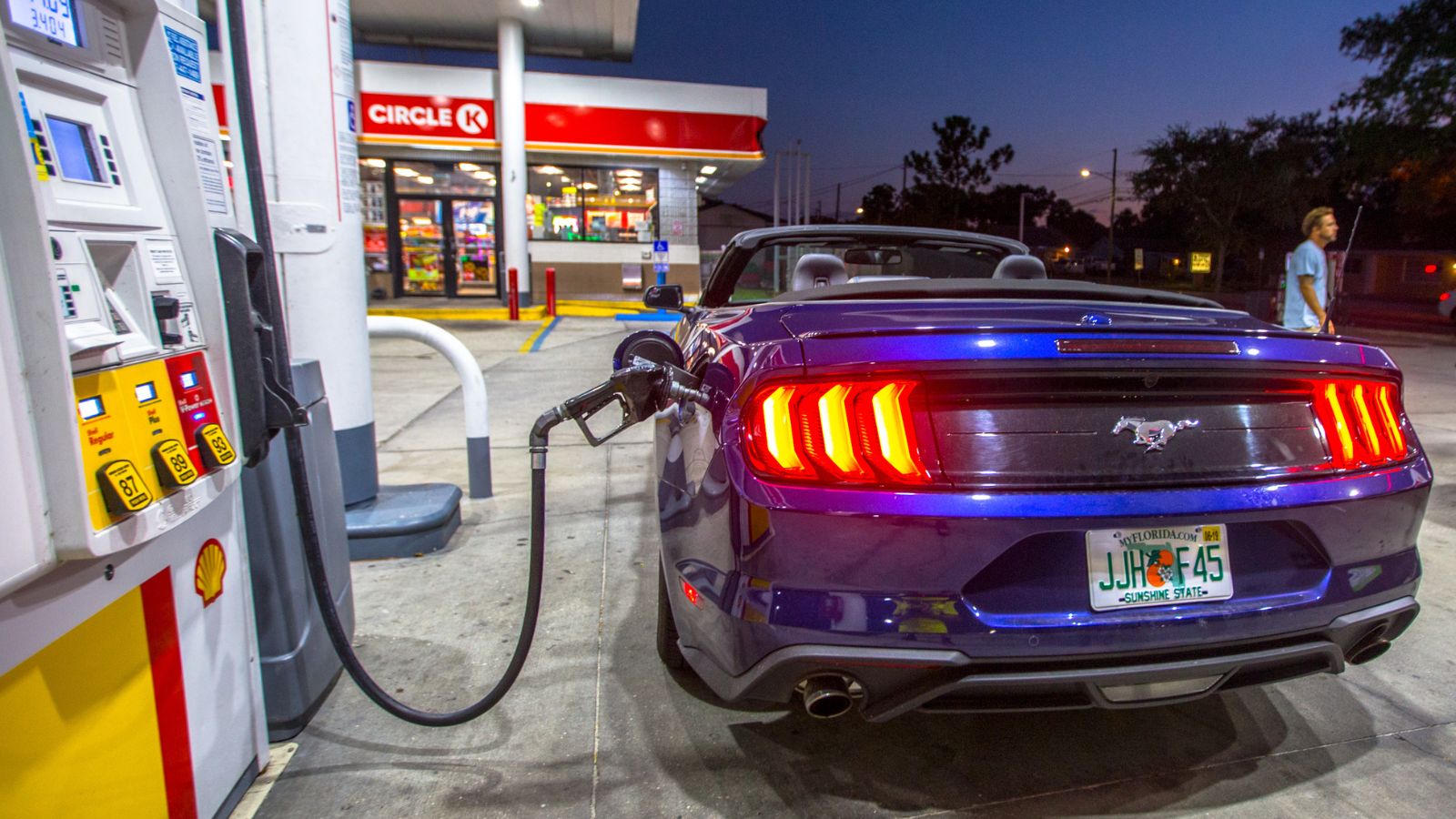
As environmental concerns intensify and the push for cleaner transportation gains momentum, several U.S. states are implementing measures to phase out gas powered vehicles. These initiatives aim to reduce greenhouse gas emissions and promote the adoption of electric vehicles. From aggressive emissions regulations to infrastructure investments and incentive programs, the shift away from gasoline is gaining speed. Here’s an overview of ten states taking significant steps in this direction.
1. California
California has long led the nation in vehicle emissions regulation. In 2022, the state approved a plan to ban the sale of new gasoline powered vehicles by 2035. All new cars sold in the state by then must be zero emission vehicles, such as electric or hydrogen models. The California Air Resources Board has also implemented aggressive clean vehicle mandates and is providing subsidies to promote early adoption.
2. Washington
Washington adopted the same 2035 target as California, banning the sale of new gas powered cars. The state has focused heavily on building charging infrastructure and incentivizing electric vehicle adoption. Its Clean Fuel Standard is also a key component, requiring fuel producers to lower the carbon intensity of transportation fuels over time.
3. Oregon
Oregon has joined California and Washington in targeting 2035 as the cutoff for new gas vehicle sales. Its Clean Cars program is central to its climate strategy, aiming to reduce emissions from the transportation sector. Oregon is also working with utilities to improve grid capacity and provide rebates for electric vehicle chargers in homes and businesses.
4. New York
New York passed legislation to ban new gas powered passenger vehicles by 2035. The law mandates all new light duty vehicle sales be zero emission and includes a plan to electrify public transportation and government fleets. The state is investing millions in EV infrastructure and has launched programs like Drive Clean Rebate to encourage personal electric vehicle ownership.
5. New Jersey
New Jersey announced a mandate to end the sale of new internal combustion engine vehicles by 2035. The state is investing in electric vehicle incentives and statewide charging networks. Its New Jersey Zero Emission Incentive Program offers point of sale discounts and aims to prioritize lower income communities for clean mobility options.
6. Massachusetts
Massachusetts adopted the Advanced Clean Cars II rule, which mirrors California’s. By 2035, all new cars sold must be zero emission. The state is actively investing in clean energy and transportation infrastructure. It is also developing municipal partnerships to build public charging stations and encouraging fleet conversions in both the public and private sectors.
7. Rhode Island
Rhode Island also signed on to the 2035 phase out of gas powered vehicles. The state’s Department of Environmental Management has outlined a clear path for reaching that goal through incentives and policy shifts. The Rhode Island Clean Transportation and Climate Justice Act supports the deployment of electric school buses and fleet electrification for state agencies.
8. Delaware
Delaware has aligned with California’s clean car rules and plans to phase out gas vehicle sales by 2035. It is part of a broader climate action plan focused on electrifying the transportation sector. In addition to setting clean car sales targets, Delaware is investing in workforce training programs for EV service technicians and charging infrastructure.
9. Maryland
Maryland is phasing out new gas powered vehicle sales by 2035 as part of its Greenhouse Gas Reduction Act goals. The state is offering rebates and expanding public charging access. Maryland’s Electric Vehicle Infrastructure Council has also developed strategies to support underserved communities and rural areas in the clean vehicle transition.
10. Vermont
Vermont initially adopted the same rules as California but paused implementation in 2025 due to concerns about charging infrastructure and rural accessibility. While still committed to reducing emissions, the timeline may shift. Vermont is working on revising its plan to better address the needs of remote regions and small municipalities that may face higher logistical and economic barriers.
Charging Ahead or Hitting the Brakes?
These ten states are driving aggressive policy changes aimed at transforming the vehicle market. While challenges such as charging access, cost parity, battery sourcing, and public readiness remain, the message is clear — the future of transportation is electric. Whether other states follow remains to be seen, but the movement away from gas powered cars has already begun. These pioneering states are setting a precedent that could reshape mobility in the United States for decades to come.