
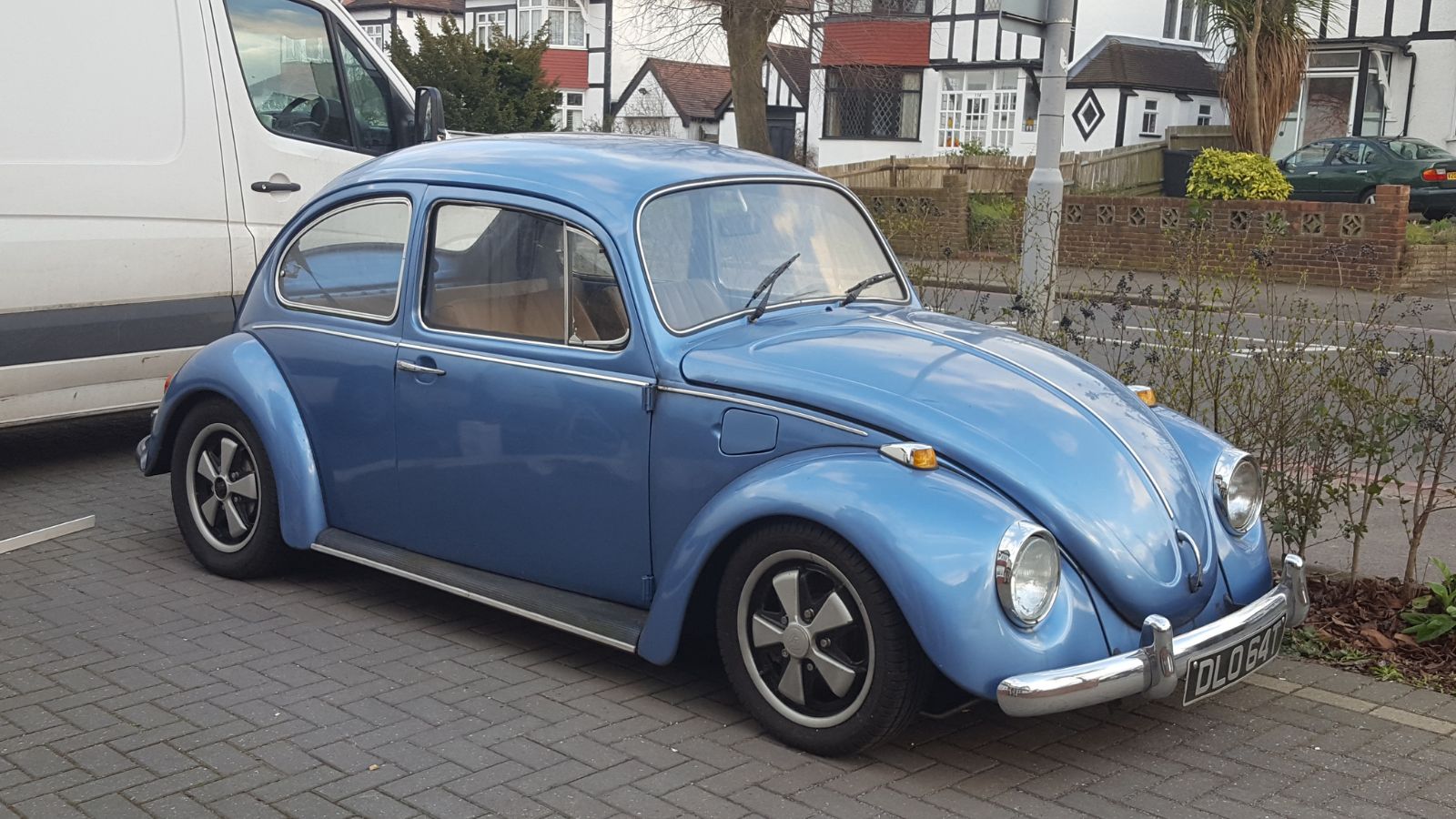
Car ownership used to be a symbol of freedom and adulthood. For many in previous generations, getting your license and buying your first ride was a rite of passage. But Gen Z? Not so much. Whether it’s economic realities, technological shifts, or cultural evolution, the younger generation just isn’t as car crazy. Here are 20 reasons Gen Z is walking away from the driver’s seat — and what that means for the future of driving culture.

1. Cars Are Too Expensive
New or used, prices have skyrocketed. With student debt, rent, and inflation, owning a car feels more like a luxury than a necessity. Monthly payments, dealer markups, and financing complications turn even budget cars into long term burdens. Add unexpected costs like registration fees, taxes, and dealership fees, and it’s clear why many opt out. Some even view car ownership as a declining investment in a world that prizes financial fluidity.
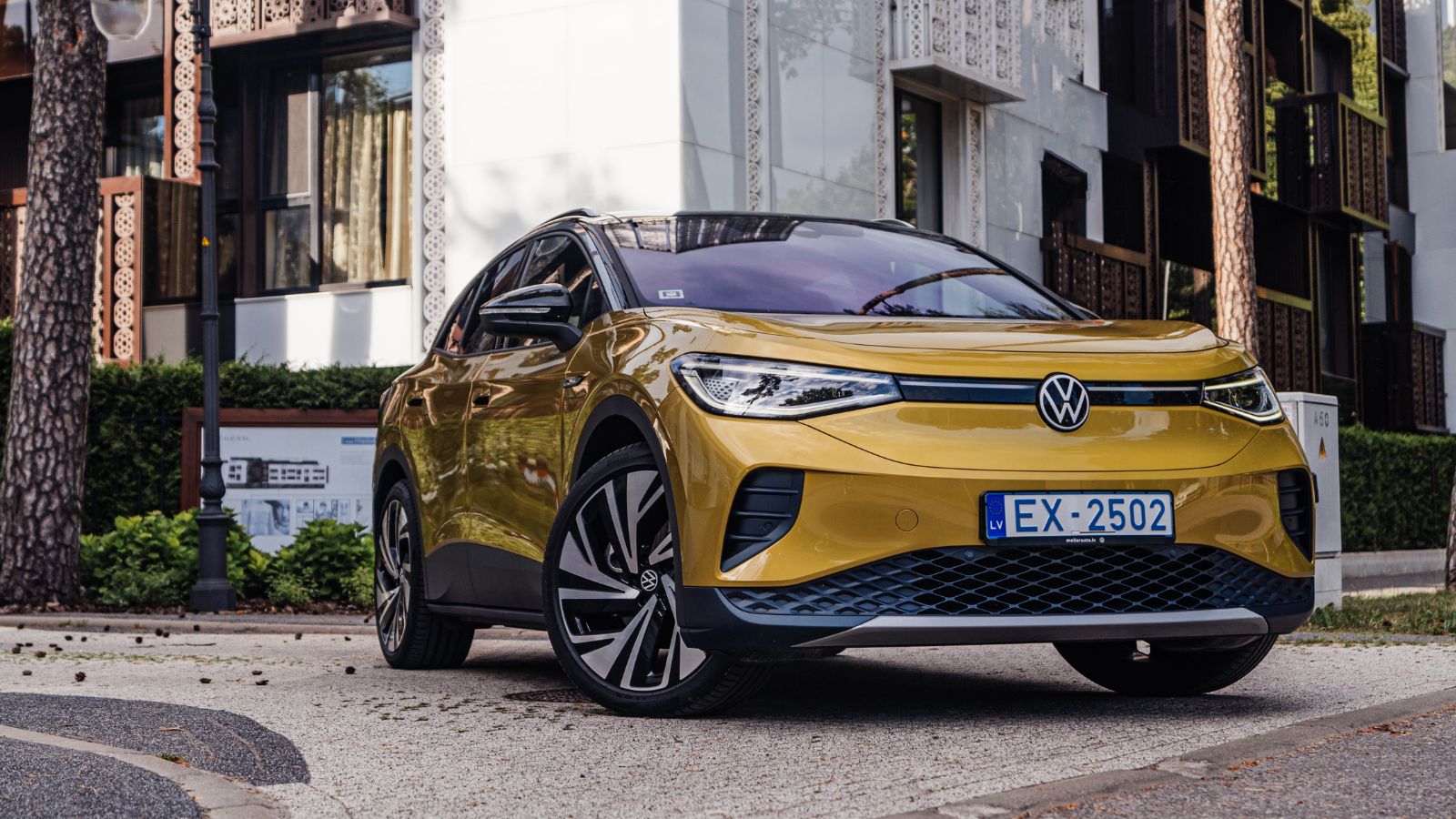
North Monaco / Shutterstock.
2. Insurance Costs Are Brutal
Younger drivers get hit with the highest premiums. That monthly payment alone can scare someone off the idea of car ownership. When combined with deductibles, accident penalties, and limited coverage options, it becomes one of the biggest deterrents. Many Gen Zers compare quotes and simply close the tab in disbelief.
3. Rideshare Is Easier
With Uber and Lyft everywhere, calling a ride takes seconds. No gas stops, no parking struggles, no maintenance — just tap and go. For many Gen Zers, it’s the modern version of having a personal driver without the commitment. In many cities, it’s cheaper over time than owning a vehicle outright.
4. Public Transit Is Getting Better
In urban areas, buses, trains, scooters, and bike shares are more accessible and reliable. Many Gen Zers see no need for a car if everything they need is already nearby. Some cities even offer free or reduced fare programs for young adults and students. Environmental incentives are also making transit more appealing.
5. Environmental Concerns
Gen Z cares about the planet. Emissions, gas usage, and the environmental cost of producing vehicles have them second guessing the carbon footprint of car ownership. Many view not owning a car as a conscious lifestyle choice. Some have even pledged to avoid driving altogether to combat climate change.
6. Parking Is a Nightmare
Especially in cities. It’s stressful, expensive, and often impossible. With limited space, increased enforcement, and rising permit costs, parking becomes an everyday obstacle rather than a minor inconvenience. For those in dense urban areas, parking is the single biggest deterrent to ownership.
7. Maintenance Is Intimidating
Older generations tinkered with their cars. Gen Z grew up with smartphones, not socket wrenches. The idea of dealing with fluids, belts, or diagnostics feels overwhelming, not empowering. Modern cars are also more complex, making DIY repair less approachable. And the cost of regular servicing feels opaque and inconsistent.
8. Licensing Requirements Are a Hassle
Getting a license isn’t as simple as it used to be. With more rules, longer processes, required classes, and rising fees, it feels like a chore with little immediate payoff. In some areas, testing centers have long waitlists, and new rules around nighttime driving and supervised hours create even more hurdles.
9. They Live Online
Many Gen Zers socialize, shop, and even work online. The need for physical travel is lower when your world fits in your phone. From virtual hangouts to online deliveries, movement is increasingly digital. As a result, the need to go anywhere physically is dramatically reduced.
10. Subscriptions Are Preferred
Why buy when you can rent? From music to housing to clothing, Gen Z loves flexible, on demand services. Car subscriptions and car sharing fit better into their lifestyle, offering access without long term commitment. Monthly flexibility and no ownership strings appeal more than a ten year car loan.
11. Financial Uncertainty
Gig work, side hustles, and freelance life mean income can be inconsistent. A car is a major financial commitment that doesn’t align with a flexible lifestyle. Leasing, financing, and maintenance create stress for those without predictable pay. Gen Z values liquidity over large financial obligations.
12. Student Debt Is Crushing
Large monthly payments for education make it difficult to justify taking on another major cost. A car just doesn’t fit into that budget, especially when it’s not a daily necessity. For many, loans follow them for a decade or longer. That burden reshapes spending habits across the board.
13. Technology Replaces the Need
Zoom, Google Meet, and virtual events make in person errands and meetings optional. Fewer commutes mean fewer reasons to drive. Online platforms continue to replace many reasons people used to hit the road. Virtual doctor visits and digital banking have eliminated errands once done by car.
14. They Don’t Romanticize Driving
Older generations grew up with movies and songs that glorified road trips and fast cars. Gen Z doesn’t connect with that same nostalgia. Cars are just tools, not symbols of identity or rebellion. The emotional attachment simply isn’t there. It’s utility over sentiment.
15. Urban Living Is the Goal
Many prefer walkable neighborhoods with amenities close by. In these areas, cars are more of a burden than a benefit. Public spaces, biking infrastructure, and better zoning make personal cars obsolete. Suburban sprawl isn’t the dream anymore. Dense living with shared resources is more attractive.
16. Anxiety and Safety Concerns
Some feel unsafe driving or being on the road. Whether it’s fear of accidents, aggressive drivers, or trauma from past incidents, driving creates more stress than convenience. Add in rising accident rates and road rage incidents, and staying off the road feels safer. Mental health awareness also plays a role here.
17. Streaming and Gaming Are More Fun
With limited free time and tight budgets, Gen Z often chooses digital experiences over physical ones — including joyrides. Entertainment is instant and accessible. The idea of wasting an hour in traffic sounds like a chore, not an adventure. Every minute in a car is a minute away from hobbies and content creation.
18. DIY Car Culture Is Disappearing
Tuning, modding, and racing are no longer mainstream hobbies. The cultural passion around cars is fading for younger audiences. The garage has been replaced by the content studio or coding setup. Cars are no longer central to youth identity or creativity.
19. Peer Pressure Has Changed
There’s less pressure to get a car or license at 16. Friends are more likely to share rides or hang out virtually. Milestones are different now — posting your art online might mean more than posting your new wheels. The social reward for driving has diminished.
20. Self Driving Cars Are Coming
Why invest in a car now if the whole concept of driving might be obsolete in a decade? Gen Z is playing the long game, betting on autonomy, automation, and AI powered mobility. They’re not afraid to wait for what’s next. The future might not involve personal car ownership at all.
Where the Road Is Going
It’s not that Gen Z hates cars they just don’t see them as essential. Shaped by tech, economics, and new values, they’re redefining mobility on their own terms. And that shift might just steer the entire auto industry in a new direction. Automakers, take note: this generation isn’t just opting out. They’re reshaping what it means to move, to commute, and to connect. The open road still exists, but Gen Z is choosing when and how to travel it on their terms, not tradition’s. The challenge now is how to meet this group where they are, and more importantly, where they’re going.