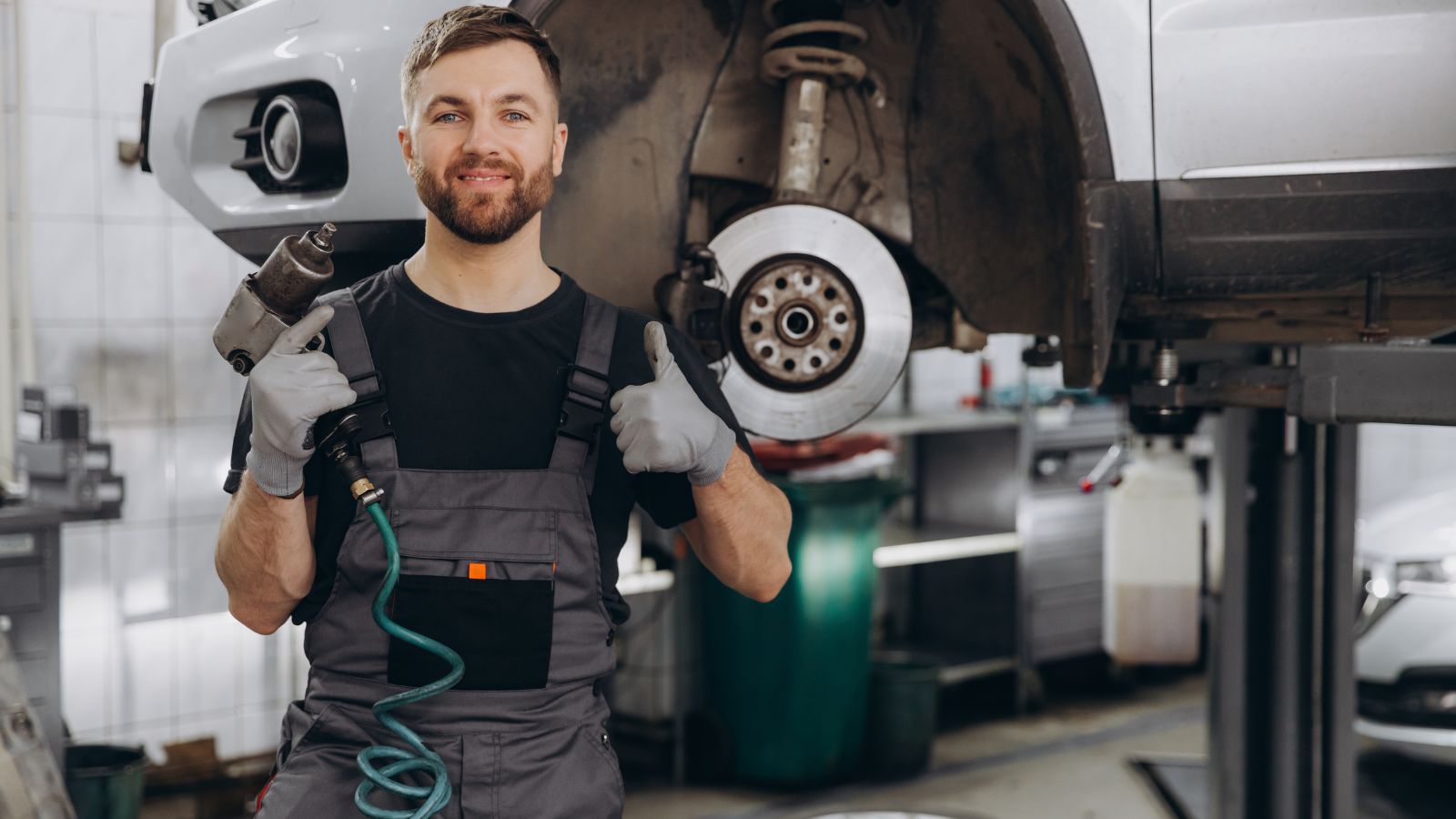
Getting your car ready for its annual inspection can feel daunting, especially when you’re unsure what might cause it to fail. While you may think you’re in the clear if your car looks fine on the outside, there are several hidden issues that could result in a failed inspection. Car inspections are designed to ensure that your vehicle is safe, roadworthy, and in compliance with environmental standards. A failure could mean costly repairs and frustration, so it’s essential to know what to look out for before the inspection day.
1. Faulty or Worn-out Brakes
Brakes are one of the most critical safety components of your car, so if they are not working properly, your car will almost certainly fail the inspection. Worn brake pads, warped rotors, or low brake fluid levels can significantly affect your car’s ability to stop. Make sure to have your brakes checked regularly and replace brake pads when they get thin. Additionally, ensure your brake fluid is at the right level and clean.
2. Check Engine Light is On
If your check engine light is illuminated, your car will almost certainly fail its inspection. The check engine light can indicate a wide range of issues, from a loose gas cap to more serious problems like faulty oxygen sensors or catalytic converters. Don’t ignore the light, take your car to a mechanic to get it diagnosed and fixed before your inspection.
3. Exhaust System Problems
A malfunctioning exhaust system can lead to an inspection failure, as it can negatively impact the vehicle’s emissions. Issues such as holes in the exhaust pipes, rusted mufflers, or a damaged catalytic converter can cause your car to fail. If your exhaust system is damaged, not only could it cause your car to fail its inspection, but it could also lead to dangerous fumes leaking into your cabin. Regularly check your exhaust system for signs of damage.
4. Worn-out Tires
Tires that are worn down to the tread wear indicators, have uneven wear, or are damaged in any way can result in a failed inspection. Inspect your tires regularly for signs of wear or damage, including sidewall cracks, punctures, or bald spots. Be sure to replace tires when the tread is worn down to 2/32 of an inch or less.
5. Headlights, Tail Lights, and Turn Signals Not Working
If any of your vehicle’s lights, whether headlights, taillights, brake lights, or turn signals, are out, your car will fail its inspection. It’s important to check all your lights regularly and replace any bulbs that are burned out. Don’t forget to check your headlights for proper alignment, as misaligned headlights can cause visibility problems for both you and other drivers.
6. Windshield Wipers and Fluid Issues
Windshield wipers are essential for clear visibility during rainy conditions. If your wipers are worn out or not working properly, you could fail your inspection. Similarly, if your windshield washer fluid reservoir is empty or the pump isn’t working, your car might not pass. Replace worn wiper blades, check the fluid levels regularly, and make sure the spray nozzle is clear and functional.
7. Suspension System Problems
Your suspension system is responsible for keeping your vehicle stable and ensuring a smooth ride. If your shocks or struts are worn out, or if your suspension components are damaged, it can affect the safety and performance of your vehicle. Symptoms of suspension problems include excessive bouncing, uneven tire wear, or difficulty steering. Have your suspension inspected if you notice any of these issues.
8. Battery Issues
A dead or dying battery can cause your car to fail its inspection. Even if your car starts up fine now, a battery nearing its end can cause problems down the road. Before your inspection, check your battery for any signs of corrosion, and make sure the connections are clean and secure. If your battery is more than three to five years old, consider having it tested or replaced.
9. Fluid Leaks
Fluid leaks from the engine, transmission, brakes, or power steering can result in a failed inspection. If any of your car’s fluids are leaking, it could be a sign of a more significant problem, and it can create hazardous driving conditions. Make sure to regularly check for leaks and repair any issues before your inspection.
10. Airbags and Safety Features
Most modern vehicles have safety features like airbags, seatbelts, and traction control systems that are checked during the inspection. If any of these features malfunction, it can cause your car to fail. Airbag warning lights or seatbelt issues can prevent you from passing. If any warning lights related to safety features are on, address them before the inspection.
11. Emissions System Issues
A failing emissions system can lead to a failed inspection, directly impacting your car’s environmental impact. Issues with the oxygen sensor, catalytic converter, or exhaust gas recirculation (EGR) system can cause your vehicle to emit higher levels of pollutants. If your check engine light is on and related to emissions, get it checked and repaired as soon as possible.
12. Power Steering Problems
Power steering issues can make your car harder to steer, making it not only dangerous but also a potential reason for an inspection failure. If you hear whining noises or notice that the steering wheel is difficult to turn, it could be a sign of low power steering fluid or a mechanical failure. Check the fluid levels and look for any leaks before your inspection.
13. Corroded or Damaged Brake Lines
Brake lines carry brake fluid to the brake components. If they become corroded or damaged, you could lose braking power, which is extremely dangerous. Inspect your brake lines regularly for rust or leaks and replace them if needed to ensure your car passes inspection.
14. Alignment Issues
Improper wheel alignment can lead to uneven tire wear and affect your vehicle’s handling. If your car pulls to one side or the steering wheel is off-center when driving straight, you may have an alignment issue. A poorly aligned vehicle can also cause your tires to wear unevenly, leading to a failed inspection.
15. Faulty Timing Belt or Chain
The timing belt or chain ensures that the engine’s internal components work harmoniously. If this belt or chain becomes worn or fails, it can lead to catastrophic engine damage. If your car is due for a timing belt replacement, replace it before your inspection to avoid failing the test.
Keeping an Eye on Your Motor
While most people focus on their vehicle’s cosmetic condition, the underlying issues often lead to a failed inspection. Regular maintenance, such as checking fluid levels, monitoring brake performance, and keeping an eye on tire condition, can go a long way in ensuring your vehicle passes inspection. If you notice any signs of the issues mentioned above, addressing them as soon as possible is crucial to avoid the inconvenience and costs of an inspection failure. Always keep up with your car’s maintenance schedule and keep it in good working condition. Your car will thank you, and you’ll avoid any surprises when it’s time for your next inspection.