
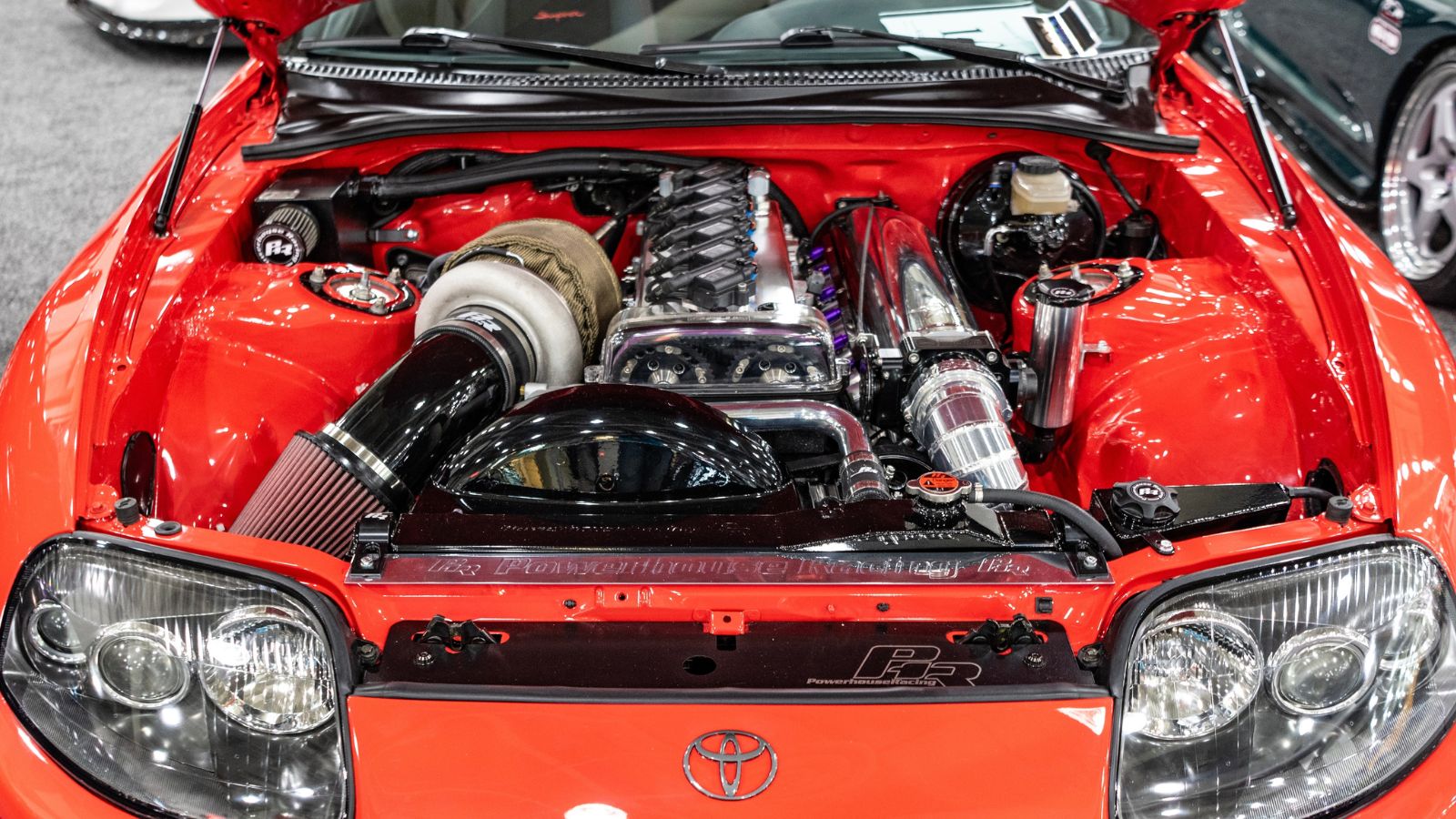
As fellow automotive enthusiasts, we form special bonds with our machines. After two decades of weekend wrenching, track days, and roadside diagnostics, I’ve developed an almost spiritual connection with engines. That distinctive rumble when you turn the key isn’t just noise it’s communication from the mechanical heart of your pride and joy.
We’ve all been there: that moment when something feels different. The power delivery isn’t as crisp, or there’s a sound that wasn’t there during your last canyon run. These aren’t just minor quirks; they’re your car trying desperately to communicate before catastrophe strikes.
This guide represents everything I’ve learned from countless hours under the hood of my project cars and helping fellow enthusiasts at weekend meets. I’ve seen too many beautiful machines sidelined permanently because warning signs were ignored. Whether you’re driving a meticulously maintained classic, a modern performance beast, or your daily driver that you’ve grown to love, these universal indicators of engine distress remain remarkably consistent.
Consider this your enthusiast’s early warning system—because sometimes, the difference between a simple fix and engine shopping on forums comes down to nothing more than recognizing the symptoms early.
1. Unusual Engine Noises
Any automotive enthusiast worth their socket set develops an intimate familiarity with how their engine should sound. When your beloved powerplant starts speaking in tongues, it’s time to listen carefully. That distinct knocking sound—like a hammer tapping inside the block—typically indicates worn connecting rod bearings where the pistons connect to the crankshaft. A higher pitched ticking, especially prominent after startup, often signals low oil pressure or valve train issues. I’ll never forget when my project E36 developed a subtle tick that I ignored, only to have it transform into full blown rod knock during a spirited mountain drive. These sounds rarely improve on their own and typically worsen exponentially. The engine that once sang a perfect mechanical symphony shouldn’t suddenly add percussion to its repertoire.
2. Excessive Exhaust Smoke
The tale your tailpipe tells can reveal volumes about your engine’s internal condition. Each color of smoke represents a different type of internal distress. Blue smoke means your engine is burning oil, typically due to worn valve seals, piston rings, or cylinder walls that can no longer contain oil where it belongs. White smoke (thicker than normal condensation on cold days) suggests coolant making its way into combustion chambers, often from a compromised head gasket or even a cracked cylinder head. Black smoke indicates an overly rich fuel mixture not burning completely. I learned this lesson vividly at a cars and coffee meet when a fellow enthusiast’s pristine Japanese import started trailing blue smoke after a spirited rev—within weeks, he was sourcing a replacement engine. These smoke signals are your engine’s way of waving a distress flag.
3. Declining Engine Performance
Remember how your car felt when you first fell in love with it? That immediate throttle response, the way it pulled strongly through the revs? When an engine begins losing power, it’s like watching your best friend’s energy gradually fade. Hills that were once conquered effortlessly now require downshifts. Highway passing maneuvers that once brought a smile now bring anxiety. This performance decline stems from compression loss in one or more cylinders caused by worn piston rings, leaking valves, or cylinder wall damage. The controlled explosions that create power aren’t being contained properly. I’ve helped fellow enthusiasts diagnose engines showing 30 40% power loss compared to stock specifications. When that seat of the pants feel changes and your foot needs to press deeper for the same thrills, your mechanical companion is sending you an urgent message.
4. Excessive Oil Consumption
For the passionate car owner, checking fluids becomes second nature. If you’re adding a quart of oil every 500-1,000 miles, your engine has developed a serious thirst problem. While some performance engines have always been known to use a bit of oil, healthy modern engines might consume a quart every 5,000-7,500 miles. Anything more frequent suggests internal issues. The usual suspects are worn piston rings, degraded valve seals, or failing gaskets that can no longer properly seal combustion pressures. I’ve owned project cars that consumed so much oil that I kept extra quarts in the trunk as standard equipment—a clear sign I was in denial about impending engine failure. Remember: oil doesn’t simply vanish—it’s either leaking externally (which you’d spot under your parking space) or burning in the combustion chamber (producing that telltale blue smoke). Either way, excessive consumption means your engine’s internal seals are compromised.
5. Check Engine Light
As enthusiasts, many of us have developed a love hate relationship with the check engine light. When it repeatedly returns after being reset—especially after you’ve replaced sensors and other components it’s time to take it seriously. Modern engines are monitored by sophisticated sensors tracking everything from exhaust composition to precise combustion timing. When these sensors consistently report problems, particularly misfire codes, cylinder contribution faults, or internal pressure issues—your engine is flagging fundamental failures. I spent months chasing warning lights on my project car, replacing oxygen sensors, ignition components, and fuel system parts before finally accepting the hard truth: the engine itself was the common denominator. When multiple systems trigger warnings despite your best diagnostic efforts, it’s rarely coincidence.
6. Knocking or Rattling During Acceleration
Few sounds strike fear into an enthusiast’s heart like the distinctive knock that intensifies when you press the accelerator. This sound—the infamous “rod knock”—indicates that connecting rod bearings have worn to the point where there’s excessive play between the crankshaft and connecting rods. I’ve experienced this progression firsthand: what started as a subtle tap in my weekend track car became alarmingly loud within just a few drives. This rapid deterioration happens because once bearing material wears away, metal on metal contact creates heat that accelerates wear exponentially. The knocking grows louder as clearances increase, ultimately leading to catastrophic failure when a connecting rod punches through the engine block (affectionately known as “throwing a rod”). When you hear this distinctive knock, measure your remaining driving time in miles, not months.
7. Metal Particles in the Oil
For those of us who change our own oil, examining what drains out can reveal crucial information. When draining oil during a change, I always look at the old oil and check the drain plug (which often has a magnet) for metal particles. While microscopic metal dust is normal wear, visible flakes or chunks are serious red flags. These metal fragments are literally pieces of your engine’s internals breaking down. Different metals can even indicate which components are failing—copper and lead typically come from bearings, while aluminum might indicate piston damage. During one oil change on my project car, I found what looked like metallic glitter in the drain pan—this turned out to be material from completely disintegrated camshaft bearings. By the time you can see metal in your oil, significant internal damage has already occurred, and critical engine components are actively disintegrating.
8. Coolant and Oil Mixing
If you’ve ever popped your oil cap to find a milky, chocolate milkshake substance or noticed frothy residue under the cap, your heart likely sank. This indicates coolant mixing with oil—a situation no engine can endure for long. This typically happens when the head gasket fails or when there’s a crack in the cylinder head or block. The mixing prevents proper lubrication and cooling, accelerating wear at an alarming rate. During a track day preparation session, I discovered this exact problem in a friend’s car within days of the initial contamination, the bearings had already begun to fail. Similarly, finding oil in your coolant reservoir or “mayonnaise” under the radiator cap points to the same fundamental issue. This cross contamination is particularly destructive because it compromises both major protective systems simultaneously—lubrication and cooling—creating ideal conditions for rapid engine destruction.
9. Poor Fuel Economy
As enthusiasts, we often track our car’s performance metrics, including fuel economy. A sudden and sustained drop in efficiency typically signals internal engine problems. As compression decreases due to worn rings or leaking valves, more fuel is needed to produce the same power. After meticulously tracking my fuel economy over several months, I noticed a steady 20% decrease that correlated perfectly with other subtle symptoms of engine wear. This happens because the precise air fuel mixture and compression ratios engineered by the factory become compromised when internal seals fail or surfaces wear. The ECU valiantly attempts to compensate by adjusting timing and fueling, but it can’t overcome physical degradation inside the cylinders. While there are many potential causes of reduced efficiency, when combined with other symptoms on this list, it often confirms your engine is living on borrowed time.
10. Engine Misfires Regularly
That hesitation during acceleration, the stumble when cruising, or the periodic loss of power—these are all signs of misfires where combustion fails in one or more cylinders. While simple issues like fouled spark plugs can cause occasional misfires, persistent misfires that continue after replacing ignition components suggest more serious problems. Low compression from worn rings, burnt valves, or damaged head gaskets prevents the cylinder from building proper pressure for combustion. I’ve spent countless hours diagnosing misfires in fellow enthusiasts’ cars, replacing spark plugs, coils, and injectors without success, only to discover during compression testing that one or more cylinders had readings far below specifications. Once internal components wear to the point where compression is compromised, no amount of parts swapping will restore proper operation.
11. Rough Idle and Stalling
There’s something profoundly unsettling about an engine that can’t maintain a steady idle or repeatedly stalls at stoplights. Idle is your engine’s most vulnerable state—running at low RPM with minimal momentum to overcome any combustion irregularities. When valve seals leak, rings wear, or timing components slip, these issues become most apparent at idle. The rough, uneven sensation occurs when different cylinders contribute unequally to power production. At a recent car meet, I encountered a classic sports car that idled so roughly it shook the entire vehicle—teardown revealed several cylinders with severely compromised compression from worn valve seats. In extreme cases, the imbalance becomes so severe that the engine cannot sustain operation and stalls completely. An engine that once idled with a smooth, confident purr shouldn’t suddenly develop personality disorders.
12. Engine Overheating Without External Cause
We’ve all experienced the panic of seeing the temperature gauge creeping upward unexpectedly. An engine that consistently runs hot, even after verifying the cooling system components are working properly, is often suffering from internal issues. When carbon deposits accumulate on combustion chamber surfaces or when head gaskets begin leaking internally, hot spots develop that the cooling system simply cannot address. During a track day, I noticed alarming temperature variations between cylinders in my car—a clear sign that combustion was no longer contained properly. Additionally, as internal friction increases from worn bearings or scored cylinder walls, more heat is generated within the engine itself. This excess heat accelerates wear on remaining components, creating a vicious cycle that ultimately leads to complete failure if not addressed promptly.
13. Oil Pressure Problems
For those of us with oil pressure gauges or warning lights, this is a critical indicator to monitor. When the oil pressure warning illuminates or the gauge shows unusually low readings, internal engine wear is likely the culprit. As bearings wear and clearances increase, the oil pump cannot maintain proper pressure because oil flows too easily through these enlarged gaps. During high RPM driving in my project car, I noticed pressure would drop alarmingly after just minutes at higher revs—indicating oil was essentially flowing through worn bearings rather than creating the pressurized film needed for protection. Conversely, pressure that’s too high can indicate blocked oil passages from debris or sludge, often dislodged from deteriorating components. Either condition prevents proper lubrication and accelerates your engine’s demise. When oil pressure problems persist despite oil changes and pump replacement, internal engine wear is almost certainly the root cause.
14. Excessive Blowby
While not commonly discussed at casual car meets, blowby is something every serious enthusiast should understand. Blowby occurs when combustion gases escape past the piston rings into the crankcase. In a healthy engine, minimal blowby occurs, but as rings and cylinder walls wear, increasing amounts of combustion pressure leak past these barriers. You can detect severe blowby by removing the oil filler cap while the engine is running—excessive pressure or smoke escaping is abnormal. During a diagnostic session on a fellow enthusiast’s high mileage import, removing the cap caused a virtual geyser of gases and oil mist to erupt from the opening. This escaping pressure represents energy that should be driving your pistons but is instead being wasted. It also contaminates your oil with combustion byproducts, accelerating the breakdown of lubrication. Significant blowby indicates that the sealed environments within your cylinders have been compromised—a fundamental failure of the engine’s basic function.
15. Startup Problems That Worsen in Specific Conditions
Engines approaching failure often exhibit conditional starting problems that follow patterns. Cold start issues might indicate worn valve guides or rings that contract differently than the surrounding metal when cold, creating gaps that affect compression. Conversely, hot start problems can suggest components that expand unevenly when heated, creating similar compression issues. My weekend track car started perfectly on cool mornings but struggled consistently after hard driving—teardown revealed severely worn components that only created problems at specific operating temperatures. Pay particular attention to starting behavior that changes with weather or driving conditions; these patterns often reveal underlying mechanical issues that no amount of starting fluid or battery power can overcome. When your beloved machine becomes temperamental about when and how it will operate, internal wear has likely reached a critical threshold that demands attention.