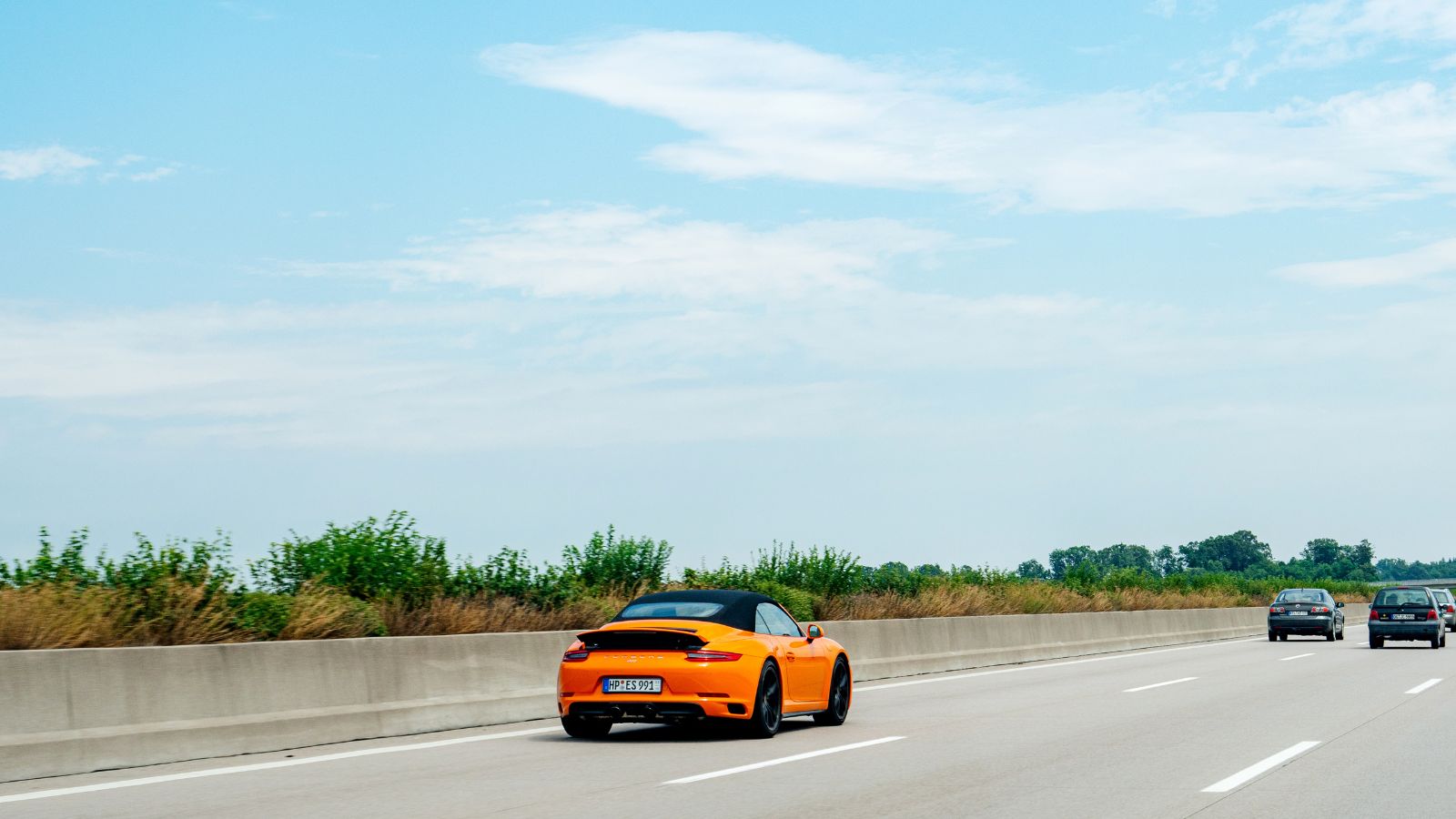
Driving on German autobahns can be an exhilarating experience, but it’s important to understand that not all stretches of the autobahn are derestricted. While many sections allow you to drive as fast as your car can go, others have posted speed limits, especially near cities or construction zones. These limits are strictly enforced, so keeping an eye out for the derestriction signs is crucial.
Derestriction signs are circular with three diagonal black lines on a white background, indicating that the previous speed limit no longer applies. Once you pass one of these signs, you’re free to drive at any speed your car and comfort level allow. However, always be ready for sections where speed limits may be reintroduced. Ignoring these could result in fines or worse, a dangerous situation.
Planning to Drive Fast Safely
Driving fast on the autobahn isn’t just about putting your foot down; it requires careful planning and awareness. The first rule is to ensure that your car is in excellent condition. High-speed driving puts immense stress on tires, brakes, and the engine, so checking tire pressures, oil levels, and brake condition before hitting the autobahn is a must.
Once on the autobahn, choose your moments to accelerate wisely. Long, straight stretches with good visibility are ideal for high-speed runs. Be mindful of traffic density and weather conditions. Even though you may be tempted to go flat out, heavy rain or fog can quickly turn a fast drive into a dangerous one.
Anticipating Other Drivers
One of the key skills when driving fast on the autobahn is anticipating the behavior of other drivers. Unlike many other highways, the autobahn has a wide range of vehicle speeds. You might be cruising at 150 mph, but there could be cars in the right lane moving at 60 mph or trucks limited to 50 mph.
When approaching slower traffic, always be prepared for cars in the middle or right lanes to move out and overtake. Even if they’re traveling at 120 mph, your closing speed will be significant if you’re going 150 mph or more. This requires constant vigilance and keeping a safe distance. Flashing your headlights can politely signal your intention to pass, but always do so well in advance to give the other driver time to react.
Similarly, keep an eye on your mirrors for faster cars. It’s common to see high-performance vehicles like Porsches, Audis, or Mercedes-AMGs flying past at speeds well above 180 mph. If you’re in the left lane and notice a fast-approaching car, signal right and move over as soon as it’s safe. Maintaining lane discipline is crucial on the autobahn and ensures everyone can drive safely.
Approaching Slower Cars
When you’re closing in on a slower car, judging the distance and speed differential is critical. A car might be overtaking at 120 mph, but if you’re doing 150 mph, the gap will close quickly. In these situations, ease off the throttle early and allow them to complete their maneuver. There’s no need to tailgate or pressure them—it only increases the risk of an accident.
Remember, while you may be enjoying the thrill of high-speed driving, not everyone on the autobahn is there for the same reason. Patience and courtesy go a long way in keeping the roads safe.
Steering and Braking at High Speeds
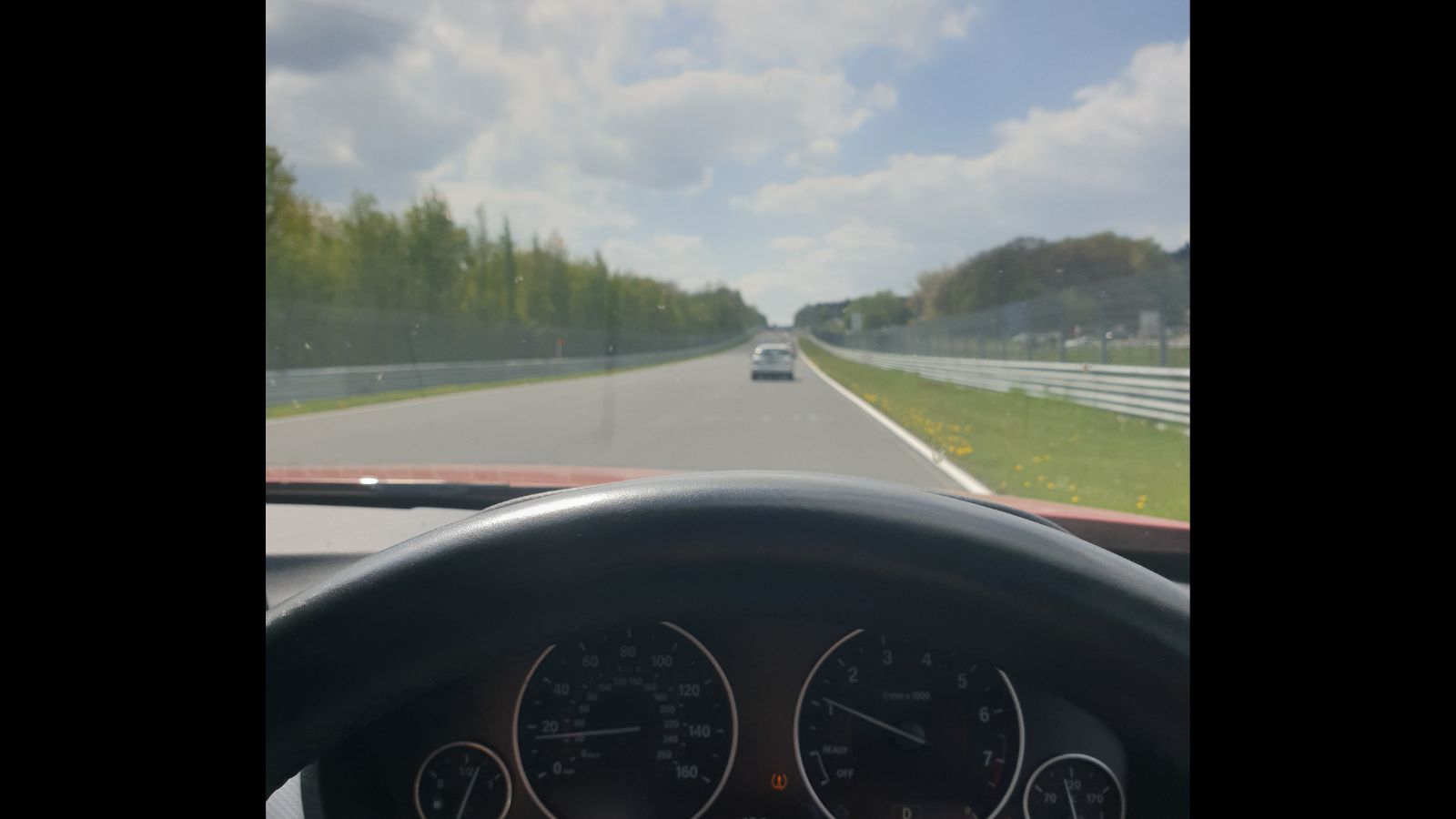
Driving at very high speeds on the autobahn requires not only quick reflexes but also smooth, deliberate inputs. When traveling at 150 mph or more, even small steering corrections can result in significant changes in direction. To stay safe, always keep your hands firmly on the wheel at the 9 and 3 positions. This provides maximum control and allows you to make precise adjustments without overcorrecting.
Braking at high speeds is another critical skill. Sudden, hard braking can unsettle the car, especially if the road surface isn’t perfectly smooth. Instead, anticipate the need to slow down well in advance and apply the brakes progressively. Modern cars with anti-lock braking systems (ABS) will help maintain control, but it’s still important to brake smoothly and avoid abrupt inputs. If you see slower traffic ahead, ease off the throttle early and gently reduce your speed.
Always be prepared for unexpected situations, such as debris on the road or sudden lane changes by other drivers. Keeping a calm mindset and staying focused on the road will go a long way in ensuring a safe high-speed drive.
Final Thoughts
Driving on the autobahn can be one of the most exciting parts of a road trip through Germany, but it comes with responsibility. Understanding the rules, staying aware of your surroundings, and respecting other drivers are key to having a safe and enjoyable experience.
Plan your high-speed runs carefully, keep your car in top condition, and always be ready to adjust your speed as needed. Whether you’re cruising at a leisurely pace or pushing your car to its limits, the autobahn offers a unique driving experience that every enthusiast should try at least once.