In the late 1990s, Honda released the CBR1100XX Super Blackbird, a motorcycle that wasn’t just a machine but a declaration of engineering ambition. Named after the Lockheed SR-71 Blackbird, a stealth aircraft renowned for its unmatched speed, the Honda Blackbird lived up to its name by briefly claiming the title of the world’s fastest production motorcycle. Yet, the Blackbird’s significance goes beyond breaking speed records. It ignited a Japanese hyperbike arms race that produced some of the most iconic two wheeled machines ever built.
The Blackbird: A Game-Changer
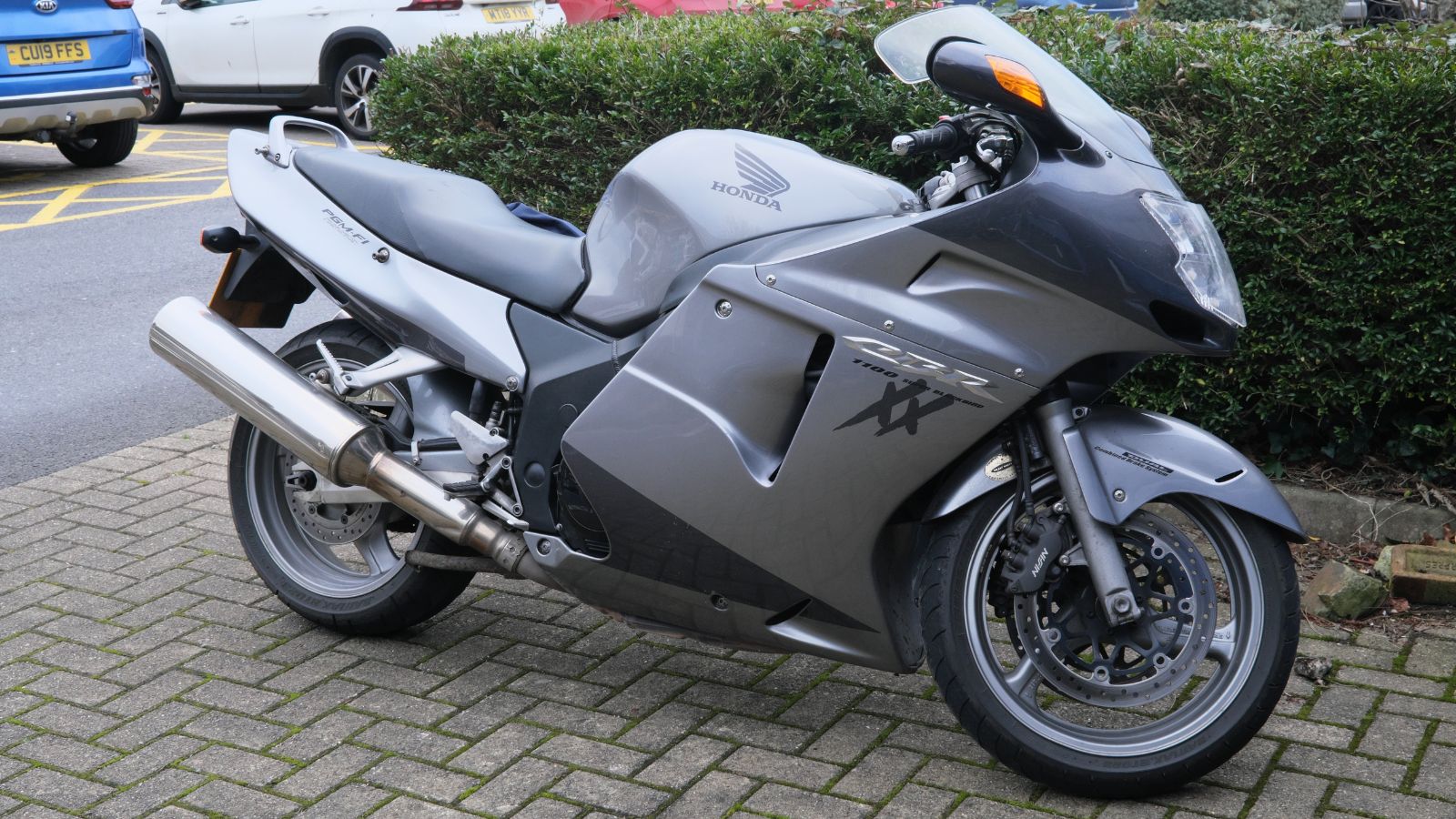
When Honda unveiled the Blackbird in 1996, it was a direct challenge to dethrone the Kawasaki ZX-11 as the king of speed. Powered by a 1,137cc inline four engine producing 152 horsepower, the Blackbird could hit an eye watering 180 mph while maintaining Honda’s legendary reliability and refinement. Its engine delivered buttery smooth power, making it just as capable of long distance touring as it was of high speed dominance.
The aerodynamic bodywork not only enhanced its top end performance but also gave it a sleek, futuristic look. More than just a missile on wheels, the Blackbird featured comfortable ergonomics, excellent wind protection, and user friendly handling. It combined raw speed with practical usability, setting a new standard for performance motorcycles. Its immediate impact was felt across the industry, and the Blackbird’s influence was unmistakable.
Enter the Falcon: Suzuki Hayabusa
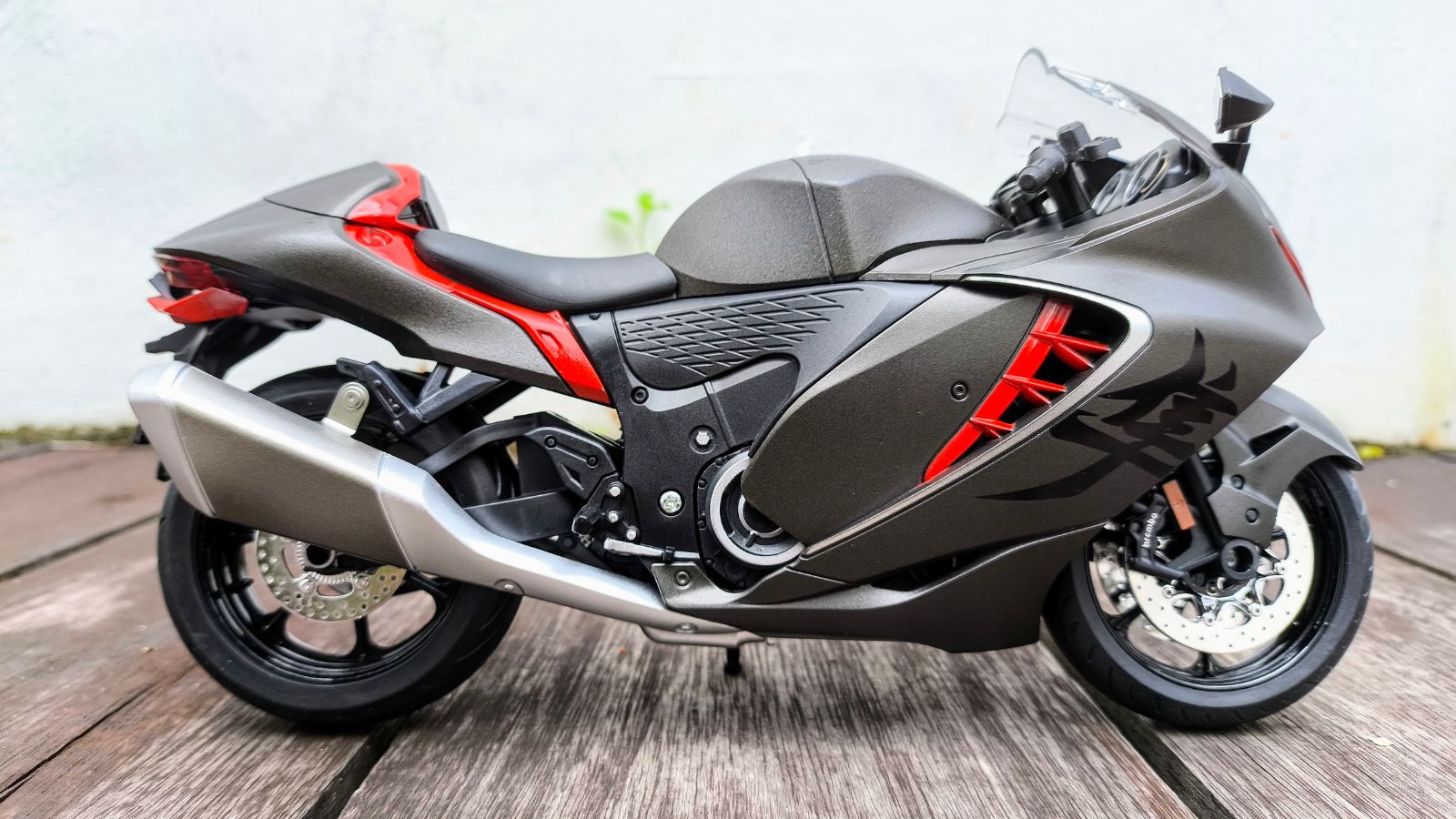
In 1999, Suzuki answered Honda’s challenge with the GSX1300R Hayabusa, a bike named after the peregrine falcon—a predator known for hunting blackbirds. With a 1,298cc engine producing 173 horsepower and a top speed of 194 mph, the Hayabusa redefined what was possible in the hyperbike segment. It didn’t just surpass the Blackbird—it set a benchmark that few could match.
The Hayabusa’s design was unmistakable. Its sweeping, aerodynamic curves were not just functional but also iconic. Beyond its speed, the Hayabusa’s engine offered smooth, effortless power delivery, making it a joy to ride in any condition. Over the years, the Hayabusa has developed a cult following, celebrated for its versatility, reliability, and limitless customization potential. From drag racing to cross country touring, the Hayabusa became a symbol of limitless possibilities and enduring performance.
Kawasaki’s Response: ZZR1200 and ZZR1400
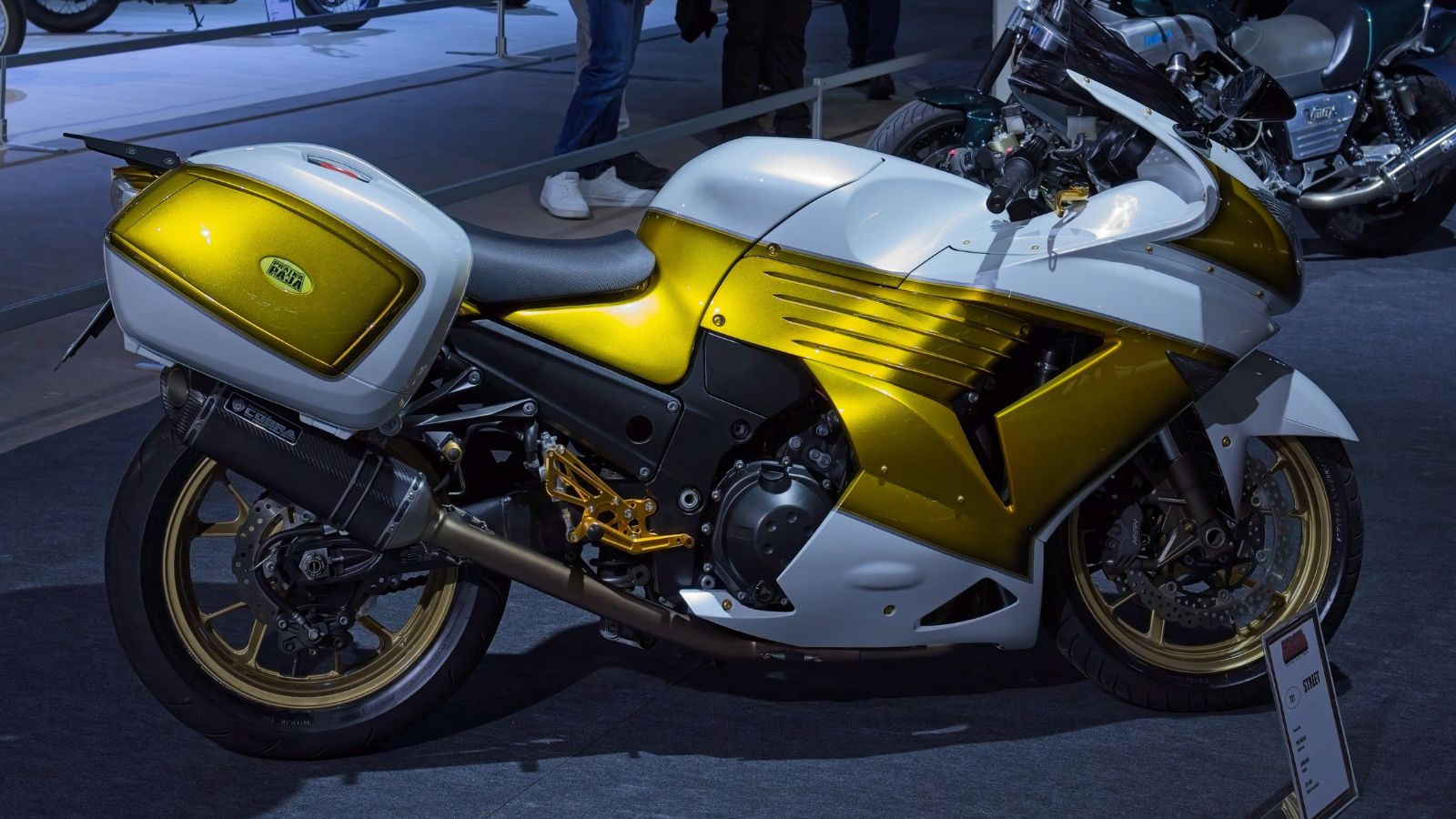
Kawasaki, the original speed king with the ZX-11, wasn’t about to be left behind. Their first response was the ZZR1200, a 1,164cc sports tourer that combined speed with everyday usability. While it was a capable machine, it didn’t quite capture the attention the way the Hayabusa did.
In 2006, Kawasaki launched the ZZR1400, known as the Ninja ZX-14 in some markets. This was a true return to form, powered by a 1,441cc engine producing over 190 horsepower. The ZZR1400 offered blistering straight line speed and sophisticated electronics that made it easier to manage. It also excelled in comfort and touring capability, making it a true hyperbike for riders who wanted a balance of adrenaline and refinement. Kawasaki had reestablished itself as a serious player in the hyperbike segment, and the ZZR1400 remains a legendary name in its own right.
The Gentleman’s Agreement
As these bikes pushed the boundaries of speed and power, concerns grew about an uncontrollable arms race. Stories emerged suggesting that Japanese manufacturers reached a gentleman’s agreement to limit the top speed of their production motorcycles to 180 mph. This move was reportedly intended to curb the escalating competition and address safety concerns, both on public roads and in the global market. While not officially confirmed, this unofficial cap became a hallmark of the hyperbike era, balancing performance with responsibility.
The European Contender: BMW K1300S
The Japanese hyperbike battle inspired competitors far beyond its borders. BMW’s K1300S, introduced in 2008, was a sophisticated European response to the Japanese titans. With a 1,293cc inline four engine delivering 175 horsepower, it combined power and elegance. The K1300S stood out with its smooth shaft drive, impeccable build quality, and advanced electronics, including traction control and semi active suspension.
While it didn’t aim to top the speed charts, the K1300S excelled as a high speed tourer, offering comfort and precision. Its German engineering ethos brought a unique flavor to the hyperbike class, appealing to riders who valued both performance and long-distance capability.
Why These Bikes Matter
The Honda Blackbird didn’t just set speed records—it started a movement that reshaped the motorcycle industry. It proved that hyperbikes could deliver extreme performance without sacrificing comfort or practicality. The Hayabusa built on this foundation, earning a place in motorcycle culture as a global icon. Kawasaki’s ZZR series continued to push technological and performance boundaries, while BMW’s K1300S added a touch of European sophistication to the mix.
These bikes represent the pinnacle of engineering passion and innovation. They demonstrate that motorcycles can be more than just machines—they can be symbols of ambition, creativity, and a relentless pursuit of excellence.
A Legacy of Speed and Innovation
The Honda Blackbird may have started the hyperbike arms race, but the bikes that followed cemented its legacy. Each machine pushed the envelope, offering a unique blend of speed, power, and versatility. From the Hayabusa’s worldwide cult following to the ZZR1400’s technological prowess and the K1300S’s precision, these motorcycles continue to captivate riders around the globe.
For anyone who loves the thrill of speed and the joy of touring, these hyperbikes remain unmatched. They are more than motorcycles—they are legends that inspire and excite, mile after mile.